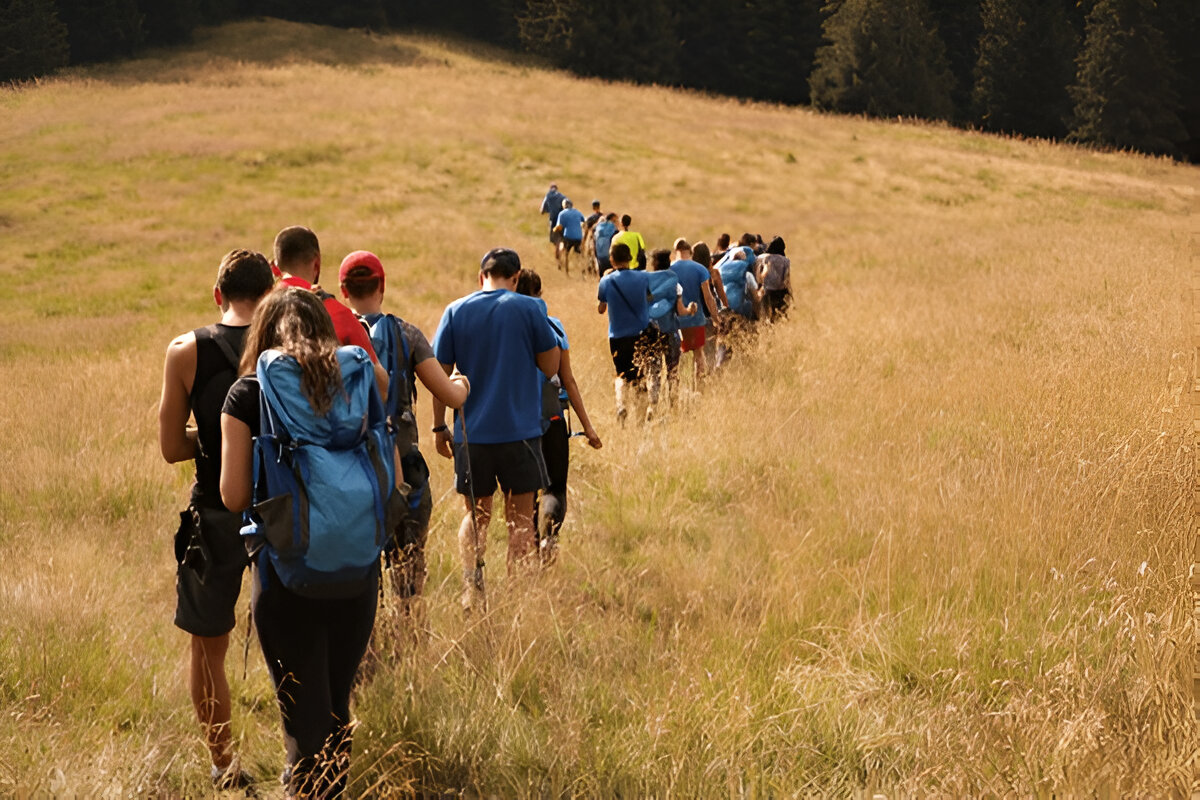
Many beginners focus only on reaching the summit or completing the trail but forget about important preparation steps. Carrying unnecessary items, choosing the wrong footwear, ignoring weather conditions, or underestimating the difficulty level can create problems during the adventure. Understanding common trekking mistakes and how to avoid them helps you prepare better and enjoy every moment of your journey.
Trekking is one of the best ways to experience nature, explore hidden landscapes, and challenge yourself physically and mentally. Whether you are walking through dense forests, climbing mountain trails, or camping under a sky full of stars, every trek creates unforgettable memories. However, a small mistake during your journey can affect your comfort, safety, and overall experience.
This detailed guide explains the mistakes that trekkers often make and shares useful packing tips, safety advice, and preparation techniques to make your next trekking experience smoother and more enjoyable.
Not Researching the Trek Properly
One of the most common trekking mistakes beginners make is starting their journey without learning enough about the trail. Every trek has different challenges based on altitude, distance, terrain, and weather conditions. A route that feels easy for an experienced trekker may become difficult for someone attempting it for the first time.
Before choosing a trek, it is important to understand the difficulty level, total distance, altitude gain, weather patterns, accommodation options, and required permissions. For example, beginner-friendly trails offer a comfortable introduction to trekking, while high-altitude routes require better fitness and preparation.
Proper research allows you to choose a trek according to your experience level. It also helps you prepare the right equipment, clothing, and mindset before entering the mountains.
Ignoring Physical Fitness Before Trekking
Many people believe that trekking only requires a strong desire to explore, but physical preparation plays an equally important role. Walking continuously for several hours on uneven terrain requires stamina, strength, and endurance.
A common mistake is assuming that normal daily activities are enough preparation for a challenging trek. Regular walking, jogging, stair climbing, and basic strength exercises can help your body adjust to long-distance movement.
Starting fitness training a few weeks before your trek can improve your confidence and reduce tiredness during the journey. A prepared body allows you to enjoy the surroundings instead of struggling with exhaustion.
Poor Packing Decisions
When discussing common trekking mistakes and how to avoid them, packing mistakes are among the most frequent issues faced by beginners. Some trekkers carry excessive luggage, while others forget important essentials that they later need on the trail.
Smart packing tips focus on carrying only useful items. A lightweight backpack makes walking easier and reduces unnecessary pressure on your shoulders and back. Instead of carrying multiple outfits or extra accessories, choose lightweight, quick-drying clothes suitable for changing weather conditions.
Your trekking bag should include essential items such as comfortable clothing layers, rain protection, a basic first-aid kit, reusable water bottles, snacks, a headlamp, trekking poles, and personal medicines. Every item in your backpack should have a purpose.
Good packing tips are not about carrying more things but about carrying the right things. Proper organization can make your trekking experience more comfortable and stress-free.
Wearing New Trekking Shoes Without Testing Them
Footwear is one of the most important parts of trekking equipment. A common mistake many trekkers make is buying new shoes just before the trek and wearing them directly on the trail.
New shoes often require time to adjust with your feet. Wearing them during regular walks before the trek helps prevent blisters, discomfort, and foot pain. It also allows you to understand whether the shoes provide proper grip and support.
Comfortable and well-tested trekking shoes can make long walking hours much easier. Choosing quality footwear is a small investment that greatly improves your overall trekking experience.
Ignoring Weather Conditions
Mountain weather can change quickly, and many trekkers underestimate how unpredictable it can be. A clear morning can suddenly turn into rain, strong winds, or snowfall depending on the region and season.
One of the most useful packing tips is carrying proper layers instead of relying on one heavy jacket. Layering allows you to adjust your clothing according to temperature changes.
A good trekking outfit usually includes comfortable inner layers, warm clothing, and waterproof protection. Checking the weather forecast before starting your trek is helpful, but you should always stay prepared for unexpected changes.
Not Drinking Enough Water
Dehydration is another common problem that affects trekkers, especially during long walking hours. Many people drink water only when they feel extremely thirsty, but by that time their energy levels may already drop.
Keeping yourself hydrated throughout the trek helps maintain stamina and concentration. Drinking small amounts of water regularly is better than consuming a large quantity after long gaps.
Carrying reusable bottles or hydration systems and refilling whenever possible can help you stay active throughout the journey. Proper hydration becomes even more important during high-altitude treks.
Skipping Acclimatization at High Altitude
High-altitude trekking requires patience because your body needs time to adjust to lower oxygen levels. Many beginners make the mistake of climbing too quickly without allowing their bodies to adapt.
Altitude sickness can cause symptoms such as headaches, dizziness, nausea, and weakness. Ignoring these signs can make the situation worse.
Following a gradual ascent, taking proper rest, drinking enough water, and listening to your trek leader are important steps for safe high-altitude trekking. Respecting the mountain environment and your body’s limits is essential for a successful adventure.
Carrying an Unsuitable Backpack
A backpack is something you carry throughout your trek, so choosing the right one is extremely important. Many beginners select bags based only on appearance and later experience shoulder pain or discomfort.
A suitable trekking backpack should provide proper back support, comfortable straps, and enough space for your essential items. It should fit your body properly and distribute weight evenly.
Among all packing tips, selecting the right backpack is one of the most valuable because it directly affects your comfort during long walking hours.
Ignoring Proper Nutrition
Trekking requires a lot of physical energy, and your body needs enough fuel to continue moving. Some trekkers skip meals or carry only limited snacks, which can lead to tiredness and low energy.
Carrying nutritious food options such as dry fruits, nuts, energy bars, and simple high-energy snacks helps maintain stamina. Eating small portions throughout the day keeps your energy levels balanced.
A well-planned diet before and during the trek supports better performance and helps you enjoy the journey without unnecessary fatigue.
Walking Too Fast
Many first-time trekkers start with great excitement and walk faster than their comfortable pace. This often results in early exhaustion and makes the remaining journey difficult.
A steady walking rhythm is always better than rushing. Experienced trekkers understand that maintaining a consistent pace helps conserve energy and makes long distances easier.
Listening to your body and taking short breaks when needed allows you to complete the trek safely and comfortably.
Ignoring Trekking Safety Guidelines
Safety should always remain the top priority during any outdoor adventure. Some trekkers take unnecessary risks for photographs, shortcuts, or personal challenges.
Walking away from marked trails, ignoring weather warnings, or attempting dangerous activities can create serious problems. Following instructions from experienced guides and respecting local rules helps ensure a safer experience.
The goal of trekking is not only to complete the route but also to return with beautiful memories.
Not Carrying Basic Medical Supplies
A small first-aid kit can be extremely helpful during trekking. Minor problems like blisters, small cuts, headaches, or muscle discomfort can happen during long journeys.
Carrying basic medical supplies and personal medicines allows you to handle small issues without depending completely on outside support.
Preparation is one of the biggest lessons when learning common trekking mistakes and how to avoid them. Small safety measures can make a major difference during unexpected situations.
Leaving Waste on Trekking Trails
Responsible trekking is important for protecting natural landscapes. Unfortunately, littering has become a serious concern on many popular trekking routes.
Every trekker should follow eco-friendly practices by carrying waste back, avoiding unnecessary plastic use, and respecting wildlife and local communities.
Keeping mountains clean ensures that future travellers can also enjoy these beautiful destinations.
Choosing the Wrong Trek Difficulty Level
Selecting a trek according to your experience level is extremely important. Many beginners choose challenging routes because they look attractive online without considering their physical preparation.
Starting with easier treks helps you develop confidence, improve fitness, and understand trekking techniques. Once you gain experience, you can gradually move towards more difficult Himalayan adventures.
Choosing the right trail creates a safer and more enjoyable trekking experience.
Essential Packing Tips for a Successful Trek
Following proper packing tips can completely change your trekking experience. Always focus on lightweight equipment, comfortable clothing, and useful essentials. Avoid carrying unnecessary items because extra weight becomes difficult during long climbs.
Organize your backpack properly and keep frequently used items easily accessible. Protect important documents and electronic devices from rain by using waterproof covers or bags.
Good preparation reduces stress and allows you to focus on enjoying nature, exploring new places, and creating unforgettable memories.
Explore More Trekking Guides
For more trekking inspiration and detailed travel guides, you can explore related resources on Chalo Travellers:
Read more trekking guides and destination information here: Chalo Travellers Trekking Guides
Conclusion
Understanding common trekking mistakes and how to avoid them is essential for every beginner and experienced trekker. Proper preparation, smart packing tips, physical fitness, safety awareness, and responsible travel habits can make your adventure more comfortable and memorable.
Trekking is not only about reaching a destination; it is about enjoying the journey, respecting nature, and learning from every step. When you prepare carefully and avoid simple mistakes, you can experience the mountains with greater confidence and happiness.
A successful trek begins long before you reach the trail. Plan wisely, pack smartly, stay safe, and enjoy every moment of your outdoor adventure.