If you’re planning the Hemkund Sahib trek for first time visitors, this guide will help you understand everything from the best time to visit and weather conditions to packing essentials, fitness preparation, and travel tips.
The Himalayas are home to countless spiritual destinations, but few places combine devotion, natural beauty, and adventure as beautifully as Hemkund Sahib. Situated at an altitude of around 4,329 meters (14,200 feet) in the Garhwal Himalayas of Uttarakhand, this sacred Sikh pilgrimage site attracts thousands of devotees and trekkers every year.
Whether you’re traveling for spiritual reasons or simply looking to experience one of India’s most scenic Himalayan treks, this guide will help you prepare for a memorable journey.
Why Hemkund Sahib Is Special
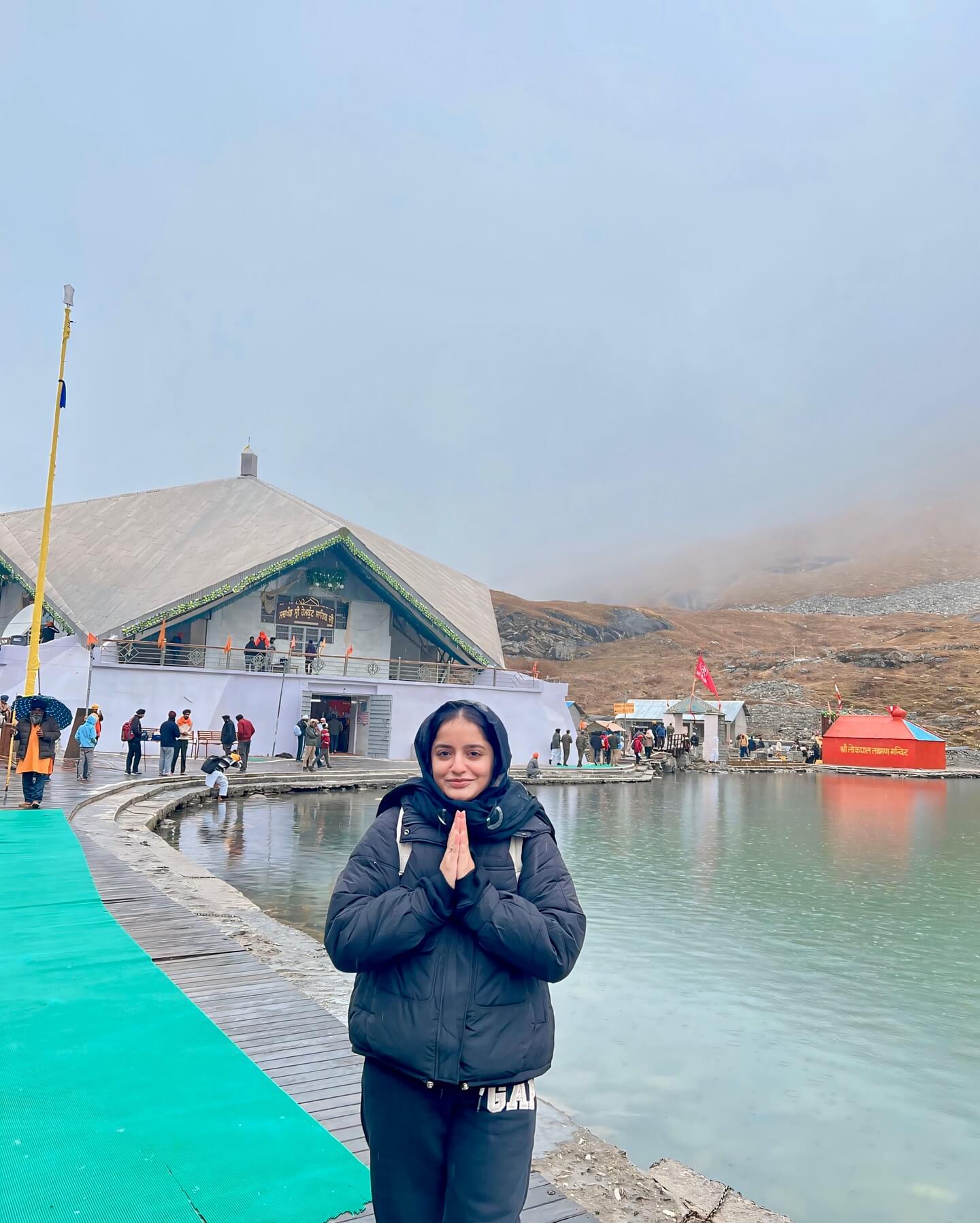
Hemkund Sahib is one of the highest Gurudwaras in the world. Surrounded by snow-capped peaks and situated beside a pristine glacial lake, the place offers an atmosphere of peace that is difficult to describe until you experience it yourself. The calm waters of the lake, the fresh mountain air, and the stunning Himalayan backdrop create a truly unforgettable experience.
The site is believed to be where Guru Gobind Singh Ji meditated in a previous life. Alongside its religious significance, the breathtaking Himalayan landscape makes it a dream destination for nature lovers and trekking enthusiasts. For anyone planning the Hemkund Sahib trek for first time visitors, understanding the terrain and altitude is crucial before starting the journey.
Where Is Hemkund Sahib Located?
Hemkund Sahib is located in the Chamoli district of Uttarakhand, near the famous Valley of Flowers National Park. The shrine sits amidst towering Himalayan peaks and can only be reached through a trek, making the journey as memorable as the destination itself.
The usual route begins from Rishikesh and passes through Joshimath before reaching Govindghat, which serves as the trek’s starting point. From Govindghat, travelers trek approximately 13 kilometers to Ghangaria. The final stretch from Ghangaria to Hemkund Sahib is around 6 kilometers and involves a steep uphill climb. While the overall distance may not seem very long, the altitude gain makes the trek physically demanding.
How to Reach Hemkund Sahib
One of the most common questions regarding the Hemkund Sahib trek for first time visitors is how to reach the starting point. Fortunately, the destination is well-connected by air, rail, and road.
The nearest airport is Jolly Grant Airport in Dehradun. From there, travelers can hire a taxi or use public transport to reach Govindghat. Those traveling by train can arrive at either Haridwar Railway Station or Rishikesh Railway Station, both of which have good connectivity with major Indian cities.
If you prefer road travel, Govindghat is connected to Haridwar, Rishikesh, Dehradun, and Joshimath through regular buses, shared taxis, and private vehicles. The scenic mountain roads make the drive enjoyable, though travelers should be prepared for long travel hours.
Hemkund Sahib Trek Distance and Difficulty
The trek to Hemkund Sahib is divided into two major sections. The first section from Govindghat to Ghangaria covers approximately 13 kilometers and usually takes between five and seven hours. The route is relatively gradual and follows the beautiful Lakshman Ganga River, offering scenic mountain views throughout the journey.
The second section from Ghangaria to Hemkund Sahib covers around 6 kilometers but is much steeper. This stretch usually takes three to five hours and requires continuous uphill walking. For the Hemkund Sahib trek for first time visitors, this section is often the most challenging part due to the sharp ascent and increasing altitude.
Best Time to Visit Hemkund Sahib
Choosing the right season can greatly improve your trekking experience. The temple generally opens in late May or early June and remains accessible until October, depending on weather conditions.
June and early July are excellent months to visit because the weather remains pleasant and patches of snow can still be seen along the higher slopes. The mountain views are often crystal clear during this period.
July and August bring the monsoon season, but they also coincide with the blooming season of the Valley of Flowers. Travelers can witness colorful alpine flowers spread across vast meadows, creating some of the most beautiful landscapes in the Himalayas. However, rainfall can make trails slippery and increase the risk of landslides on mountain roads.
Many experienced trekkers consider September the best time to visit Hemkund Sahib. The skies are usually clearer, rainfall decreases, and the surrounding peaks become more visible. The pleasant weather and improved trail conditions make September one of the most recommended months for the trek.
Hemkund Sahib Weather Conditions
Understanding Hemkund Sahib weather conditions is essential before planning your trip. Weather in the Himalayas can change rapidly, and travelers should always be prepared for sudden shifts in temperature.
During summer, daytime temperatures generally range between 10°C and 18°C, while nighttime temperatures can fall between 2°C and 8°C. Even on sunny days, cool winds are common due to the high altitude.
During the monsoon season, rainfall becomes frequent and trekking routes may become slippery. Travelers may also encounter roadblocks caused by landslides. Despite these challenges, the greenery and natural beauty reach their peak during this period.
Even in summer, temperatures near Hemkund Sahib can suddenly drop because of changing mountain weather. Therefore, carrying warm jackets, waterproof clothing, gloves, and woolen caps is highly recommended. The unpredictable Hemkund Sahib weather conditions make layered clothing the best choice for travelers.
Fitness Preparation for First-Time Trekkers
The Hemkund Sahib trek for first time visitors does not require advanced mountaineering skills, but a reasonable level of fitness can make the experience much more comfortable.
It is advisable to start preparing at least four to six weeks before the journey. Regular walking, stair climbing, light jogging, and cardio exercises can significantly improve stamina. Travelers should aim to walk at least five to seven kilometers daily before attempting the trek.
Strengthening the leg muscles is particularly important because of the steep climb from Ghangaria to Hemkund Sahib. A little preparation beforehand can help reduce fatigue and make the trek more enjoyable.
Essential Packing List
Packing properly is one of the most important aspects of the journey. Since weather conditions can change quickly, travelers should carry thermal wear, trekking pants, a fleece jacket, a waterproof jacket, and extra pairs of socks to stay comfortable throughout the trek.
Footwear plays a major role in trekking safety. Good-quality trekking shoes with strong grip and anti-slip soles can help prevent accidents on steep and slippery trails.
Travelers should also carry sunglasses, sunscreen, a rain poncho, a trekking pole, and a reusable water bottle. In addition, a small first-aid kit containing personal medicines, ORS packets, pain relievers, and bandages can be extremely useful during the journey.
Altitude Sickness: What You Should Know
Since Hemkund Sahib is located above 4,000 meters, some travelers may experience altitude sickness. Symptoms can include headache, dizziness, fatigue, nausea, and breathlessness.
To reduce the chances of altitude-related issues, it is important to stay hydrated, walk at a comfortable pace, avoid alcohol, and take adequate rest during the trek. Travelers should never rush the ascent, especially on the final stretch from Ghangaria.
If symptoms become severe, descending to a lower altitude and seeking medical assistance is the safest option.
Accommodation Options
Accommodation is available at both Govindghat and Ghangaria. In Govindghat, travelers can find budget hotels, guesthouses, and dharamshalas suitable for overnight stays before beginning the trek.
Ghangaria offers a wider range of accommodation options, including hotels, lodges, camps, and Gurudwara accommodation. Since this is the main base for both Hemkund Sahib and Valley of Flowers visitors, rooms can fill up quickly during peak season. Booking in advance is highly recommended.
Food Availability During the Trek
One of the comforting aspects of the journey is the easy availability of food along the route. Travelers will find tea stalls, local restaurants, and small eateries serving basic meals throughout the trek.
Popular food items include parathas, Maggi, tea, rice, and dal. These simple meals provide the energy needed for trekking at higher altitudes.
The langar service at Hemkund Sahib is another special part of the experience. Pilgrims can enjoy simple meals and hot tea while experiencing the spirit of community service and hospitality.
Combine Hemkund Sahib with Valley of Flowers
Many travelers choose to combine their pilgrimage with a visit to the Valley of Flowers, one of India’s most beautiful natural attractions. Located close to Ghangaria, the valley becomes a vibrant paradise of colorful flowers during the monsoon season.
From July to September, thousands of alpine flowers bloom across the valley, attracting nature lovers, photographers, and trekking enthusiasts from around the world. Combining Hemkund Sahib with Valley of Flowers allows travelers to experience both spiritual and natural beauty in a single trip.
Responsible Trekking Tips
Responsible tourism plays an important role in protecting the fragile Himalayan ecosystem. Travelers should carry reusable water bottles, avoid plastic waste, and always dispose of garbage responsibly.
Staying on designated trails, respecting local traditions, maintaining silence near religious sites, and avoiding unnecessary noise help preserve the peaceful atmosphere of the region. Small actions by visitors can contribute significantly to protecting this sacred destination.
Common Mistakes First-Time Visitors Should Avoid
Many beginners make the mistake of walking too fast at the beginning of the trek. Maintaining a steady pace helps conserve energy and reduces exhaustion later in the journey.
Another common mistake is ignoring weather forecasts. Mountain weather can change unexpectedly, so checking conditions before departure is always advisable.
Some travelers also carry excessive luggage, which makes trekking more difficult. Packing only essential items can greatly improve comfort during the climb.
Underestimating the effects of altitude is another common issue. Even physically fit individuals can experience altitude-related symptoms, making proper acclimatization important.
Lastly, wearing brand-new trekking shoes on the trail often causes discomfort and blisters. Shoes should always be used for a few walks before the trip to ensure they fit properly.
Final Thoughts
The Hemkund Sahib trek for first time visitors is much more than a pilgrimage. It is a journey through breathtaking Himalayan landscapes, peaceful mountain trails, and a place of deep spiritual significance.
From understanding the best time to visit Hemkund Sahib and preparing for changing Hemkund Sahib weather conditions to packing correctly and improving your fitness, careful preparation can make the experience smoother and more enjoyable.
If you’re looking for a trek that combines spirituality, adventure, natural beauty, and personal reflection, Hemkund Sahib deserves a place on your travel bucket list. Respect the mountains, travel responsibly, and enjoy every step of this unforgettable Himalayan adventure.