However, one common question that almost every first-time trekker has is, “Is Kedarkantha Trek difficult?” If you are planning your first mountain adventure and wondering whether you have the fitness level required to complete this trek, this complete guide will help you understand everything about Kedarkantha Trek difficulty, preparation, the best time to visit, how to reach, and whether solo or group trekking is a better option.
The Kedarkantha Trek is one of the most popular winter treks in India, attracting thousands of adventure lovers every year. Located in the beautiful Himalayan region of Uttarakhand, this trek is famous for its snow-covered forests, frozen lakes, peaceful campsites, and stunning views of Himalayan peaks. For many beginners, Kedarkantha becomes their first introduction to the world of Himalayan trekking.
Is Kedarkantha Trek Difficult? The Short Answer
The answer to “Is Kedarkantha Trek difficult?” is that it is generally considered an easy-to-moderate level trek. It is among the best Himalayan treks for beginners because the route is well-defined, the altitude gain is gradual, and the daily walking distance is manageable compared to many other high-altitude treks.
Although Kedarkantha is beginner-friendly, it should not be underestimated. Trekking in the Himalayas always requires physical preparation and mental strength. During the journey, trekkers have to walk for around four to six hours every day, cross steep sections near the summit, walk through snow-covered trails during winter, and adjust to cold temperatures and high altitude.
With proper preparation, the Kedarkantha Trek becomes an enjoyable experience rather than a difficult challenge.
Kedarkantha Trek Overview
The Kedarkantha Trek is located in the Govind Wildlife Sanctuary region of Uttarakhand and starts from the beautiful village of Sankri. The trek reaches an altitude of approximately 12,500 feet, making it a perfect introduction to high-altitude trekking for beginners.
The complete trek usually takes around four to six days and covers nearly 20 kilometres. The difficulty level remains easy to moderate, which makes it suitable for both beginners and experienced trekkers. The biggest attraction of this trek is the breathtaking summit view, where trekkers can witness some of the most beautiful Himalayan landscapes surrounded by snow-covered mountains and endless valleys.
Why Kedarkantha Is Considered Beginner-Friendly
One of the biggest reasons Kedarkantha is popular among beginners is its comfortable trekking schedule. Unlike challenging Himalayan expeditions that require long walking hours every day, Kedarkantha allows trekkers to maintain a comfortable pace. Most trekking days involve around four to five kilometres of walking, taking approximately four to six hours depending on weather conditions and individual speed.
The trail is also clearly marked, which reduces navigation difficulties. The route passes through beautiful pine and oak forests, open meadows, and snowy landscapes, making the journey visually rewarding throughout.
Another reason beginners enjoy this trek is the availability of scenic campsites. Places like Juda Ka Talab, Kedarkantha Base Camp, and Hargaon Camp offer peaceful surroundings where trekkers can rest, enjoy mountain views, and prepare for the next day’s adventure. The gradual increase in altitude also helps the body adjust naturally and reduces the chances of altitude-related problems.
What Makes Kedarkantha Trek Challenging?
Even though Kedarkantha is considered a beginner-friendly trek, some sections can test your endurance. The most challenging part of the trek is usually the summit climb. Trekkers often begin this section early in the morning before sunrise to reach the top at the right time.
The final climb involves steep snowy slopes, cold winds, and thinner air because of the increasing altitude. Walking on snow requires more effort, and maintaining balance can sometimes become challenging. However, the summit climb generally lasts only a few hours, and the spectacular Himalayan views from the top make every step worthwhile.
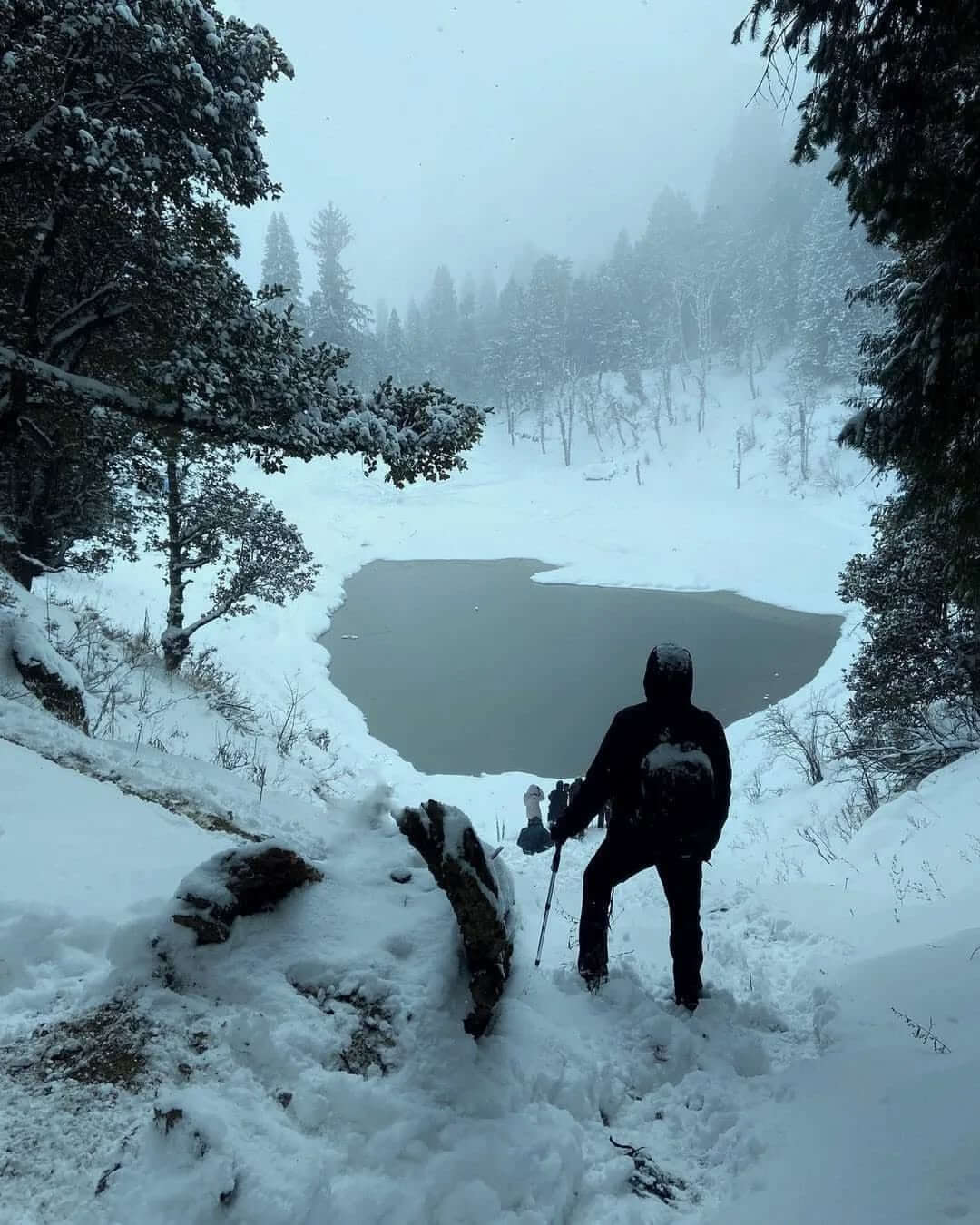
Many travellers also ask, “Is Kedarkantha Trek difficult in winter?” During the winter season, snowfall adds extra beauty but also increases the difficulty level. Temperatures can drop significantly, snow can slow down walking speed, and carrying winter clothing can make the backpack heavier. Still, with proper trekking gear and guidance, thousands of beginners complete this trek successfully every year.
Fitness Requirements for Kedarkantha Trek
You do not need to be an athlete to complete the Kedarkantha Trek, but having basic fitness is extremely important. A good level of stamina helps you enjoy the journey instead of feeling exhausted throughout the trail.
Before starting the trek, it is recommended to improve your walking and endurance capacity. Regular walking, jogging, cycling, and basic strength exercises like squats and lunges can prepare your body for mountain conditions. Ideally, you should be comfortable walking around five kilometres continuously and climbing stairs without getting tired quickly.
Starting preparation four to six weeks before your trek can make a big difference. Strong legs, good breathing capacity, and overall fitness will help you handle long walking hours and steep sections comfortably.
Best Time to Visit Kedarkantha
The best time to visit Kedarkantha depends on the type of experience you want. Every season offers a different charm, making this trek beautiful throughout the year.
Winter, from December to March, is the most popular season because Kedarkantha transforms into a snowy wonderland. During this period, trekkers can experience fresh snowfall, frozen lakes, and beautiful white landscapes. If you want the classic snow trekking experience, winter is the ideal time.
Spring arrives during April and brings pleasant weather, blooming flowers, and fewer crowds. The forests become colourful, and trekking conditions become comfortable. Autumn, from October to November, is also considered one of the best times to visit Kedarkantha because of clear skies, excellent mountain visibility, and perfect conditions for photography.
How to Reach Kedarkantha Trek
Understanding how to reach Kedarkantha is important before planning your journey. The trek begins from Sankri village, which is the base point for most trekking groups.
The nearest major city is Dehradun, which is well-connected by air, train, and road. From Dehradun, travellers need to travel approximately 200 kilometres by road to reach Sankri. The journey usually takes around eight to ten hours depending on road and weather conditions.
Travellers can choose shared taxis, private vehicles, or transportation provided by trekking companies. Most trekkers prefer staying overnight in Sankri before beginning the actual trek, allowing them to rest and prepare for the upcoming adventure.
Solo vs Group Trekking: Which Is Better for Kedarkantha?
When planning Kedarkantha, many beginners wonder whether they should choose solo trekking or join a group. Both options have their own experiences, but the right choice depends on your trekking knowledge and confidence.
Solo trekking gives you complete freedom to explore at your own pace and enjoy a personal adventure. However, trekking alone in the Himalayas requires good navigation skills, knowledge of weather conditions, and the ability to handle emergencies.
For first-time trekkers, group trekking is usually a safer option. Joining an organised group provides experienced guides, better safety arrangements, planned accommodation, food support, and assistance during difficult sections. If you are asking “Is Kedarkantha Trek difficult?” and this is your first Himalayan trek, choosing a guided group trek can make the experience much smoother.
Essential Things to Carry for Kedarkantha Trek
Packing properly can significantly improve your trekking experience. Since Kedarkantha is especially famous as a winter trek, carrying suitable winter clothing is necessary. Warm layers, thermal wear, fleece jackets, waterproof jackets, trekking pants, and woollen socks help protect against extreme cold.
Good-quality trekking shoes with proper grip are equally important because snow-covered trails can become slippery. Accessories like gloves, sunglasses, a headlamp, trekking poles, and a water bottle are useful throughout the journey.
Personal essentials such as sunscreen, lip balm, basic medicines, and a power bank should also be included. Avoid carrying unnecessary items because a lighter backpack makes trekking much easier.
Common Mistakes Beginners Should Avoid
Many first-time trekkers make mistakes that can affect their overall experience. One common mistake is ignoring fitness preparation. Even though Kedarkantha is an easy-to-moderate trek, mountain walking requires stamina.
Another mistake is wearing new trekking shoes directly during the trek. Shoes should always be used beforehand to avoid discomfort and blisters. Staying hydrated is also important because dehydration can increase tiredness and make trekking more difficult.
Carrying too much luggage is another problem beginners often face. Every extra kilogram feels heavier at high altitude, so packing only essential items is always recommended.
Final Verdict: Is Kedarkantha Trek Difficult?
So, is Kedarkantha Trek difficult? For most travellers, the answer is no. Kedarkantha is one of the best beginner-friendly Himalayan treks because it offers the perfect balance of adventure, scenic beauty, and accessibility.
Although the summit climb, snowfall, and cold weather can create challenges, proper preparation makes the trek achievable for anyone with basic fitness. Whether you are planning your first Himalayan adventure, deciding between solo vs group trekking, or searching for the best time to visit Kedarkantha, this trek offers an unforgettable experience.
With the right mindset, preparation, and guidance, Kedarkantha can become your first step towards exploring the incredible beauty of the Himalayas.