If you’re someone who loves wildlife, nature, and raw adventure, then Kaziranga National Park should definitely be on your bucket list. Located in Assam, this UNESCO World Heritage Site is famous for its population of one-horned rhinoceroses and its rich biodiversity.
Planning a trip here can feel a bit confusing at first. You might wonder about the best time to visit, how to reach, which safari to choose, and where to stay. Don’t worry—this guide breaks everything down in a simple and practical way so you can plan your journey without stress.
Why Visit Kaziranga National Park?
There are many wildlife destinations in India, but Kaziranga National Park offers an experience that feels truly special. The park is home to nearly two-thirds of the world’s one-horned rhinoceroses, making it one of the best places on the planet to see these majestic animals up close. Along with rhinos, the park also supports a rich variety of wildlife, including elephants, tigers, wild buffalo, and several species of deer.
The landscape here is equally fascinating, with a unique mix of tall grasslands, wetlands, and dense forests. This diversity creates the perfect habitat for animals and birds, making every safari exciting and unpredictable. Bird lovers will also find this place rewarding, as over 450 species of birds have been recorded here. Whether you’re a wildlife enthusiast or just someone looking for a peaceful escape into nature, this destination has something for everyone.
Best Time to Visit Kaziranga National Park
Choosing the right time to visit Kaziranga National Park is important if you want to make the most of your trip. The best season to visit is between November and April when the weather remains pleasant and all safari zones are open to visitors.
During the winter months from November to February, the climate is cool and comfortable, making it ideal for long safari rides. As you move into March and April, the temperature starts to rise slightly, but this period is actually great for spotting animals as they often come out in search of water.
It is best to avoid visiting during the monsoon season from May to October. Heavy rainfall leads to flooding in the region, and the park remains closed during this time for safety reasons.
How to Reach Kaziranga National Park
Reaching Kaziranga National Park is quite convenient, thanks to its good connectivity. The nearest airport is Jorhat Airport, located around 97 kilometers away, while Guwahati Airport is another major option situated approximately 220 kilometers from the park. From either airport, you can easily hire a taxi or use local transport to reach your destination.
If you prefer traveling by train, the nearest railway station is Furkating Junction, which is well connected to major cities in Assam and nearby states. From the station, taxis and local vehicles are readily available to take you to the park.
For those traveling by road, Kaziranga is well connected via National Highway 37. Regular buses and private taxis operate from Guwahati and other nearby cities, making road travel a comfortable option.
If you’re planning a longer trip, you can also combine this destination with nearby regions. For example, many travelers extend their journey to Meghalaya. You can explore more in this detailed guide: https://chalotravellers.com/meghalaya-travel-guide
Safari Options in Kaziranga National Park
One of the biggest highlights of visiting Kaziranga National Park is the safari experience, which allows you to explore the wilderness up close. The most popular option is the jeep safari, which gives you access to deeper parts of the park. These safaris operate in different zones such as Kohora, Bagori, and Agaratoli, each offering a slightly different experience. Jeep safaris are available in both morning and afternoon slots, giving you flexibility in planning your day.
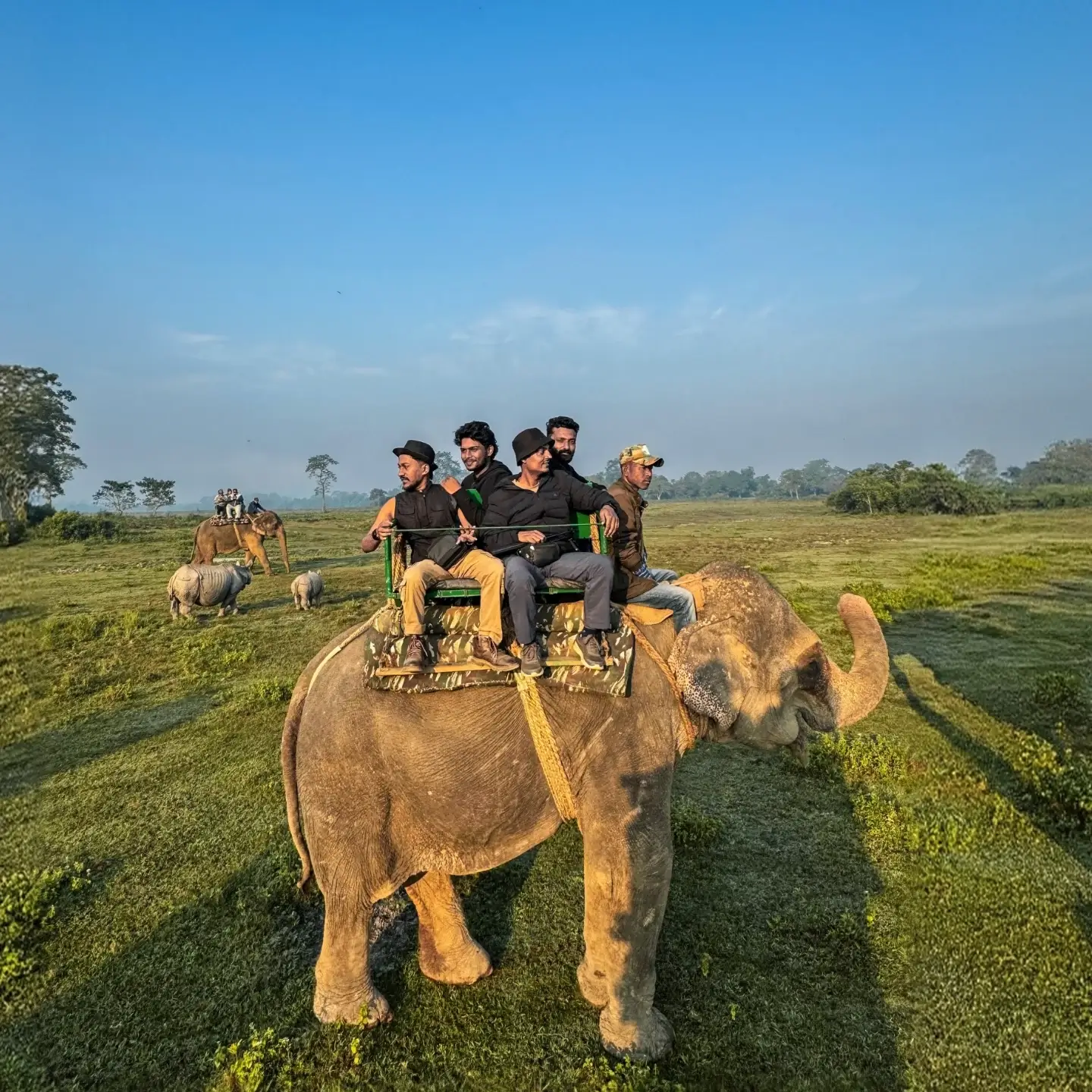
Another unique experience is the elephant safari, which is especially popular among those who want a closer view of wildlife, particularly the one-horned rhinoceros. Riding through the grasslands on an elephant offers a completely different perspective and is usually conducted in the Central Range.
If you’re unsure which one to choose, it depends on your preference. Jeep safaris are ideal if you want to cover more area and increase your chances of spotting a variety of animals. On the other hand, elephant safaris provide a more intimate and memorable wildlife experience.
Kaziranga National Park Entry Fees & Timings
Understanding the entry fees and timings of Kaziranga National Park helps in better planning your visit. The entry fee generally ranges from around ₹100 to ₹500 depending on whether you are an Indian or a foreign tourist. Jeep safari costs usually range between ₹2500 and ₹4000 per jeep, while elephant safari charges fall between ₹1000 and ₹2000 per person.
The park operates in two main shifts. The morning safari usually begins around 7:30 AM and continues until 10:00 AM, while the afternoon safari starts around 2:00 PM and goes on until 4:30 PM. It is always a good idea to check the latest timings and prices before your visit, as they may change.
Wildlife You Can Spot in Kaziranga National Park
The wildlife experience in Kaziranga National Park is nothing short of extraordinary. The park is best known for its population of one-horned rhinoceroses, but it is also home to several other fascinating species. You may spot Bengal tigers, Asian elephants, wild water buffalo, and swamp deer during your safari.
Birdwatchers will also enjoy the variety of birdlife present here. Species such as hornbills, eagles, pelicans, and several migratory birds can be seen, especially during the winter months. Interestingly, Kaziranga also has one of the highest densities of tigers in India, although spotting one requires a bit of luck.
Best Zones in Kaziranga National Park
Kaziranga National Park is divided into multiple zones, each offering a unique experience. The Central Range, also known as Kohora, is the most popular and is considered the best area for spotting rhinoceroses. It is also the most accessible and frequently visited zone.
The Western Range, or Bagori, is known for its high chances of elephant sightings and is a great option for first-time visitors. Meanwhile, the Eastern Range, Agaratoli, is less crowded and ideal for birdwatching and those looking for a quieter experience.
Where to Stay Near Kaziranga National Park
When it comes to accommodation, Kaziranga National Park offers a wide range of options to suit different budgets. Budget travelers can find guesthouses and homestays that provide basic facilities at affordable prices. These are perfect for backpackers or those looking to save money.
Mid-range hotels offer more comfort along with essential amenities, making them a good choice for families and small groups. If you’re looking for a more luxurious experience, there are several high-end resorts that provide beautiful natural surroundings along with guided tours and safari arrangements.
It is always recommended to book your stay in advance, especially during the peak travel season from December to February.
Travel Tips for Visiting Kaziranga National Park
A little preparation can make your trip to Kaziranga National Park much smoother and more enjoyable. It is advisable to book your safari in advance, particularly during peak months when slots fill up quickly. Carrying a valid ID proof is essential, as it is required for entry into the park.
Wearing neutral-colored clothing is recommended since bright colors can disturb wildlife. Keeping essentials like binoculars and a camera handy will help you capture memorable moments. Most importantly, always follow the rules of the park and avoid making loud noises to ensure a safe and respectful wildlife experience.
What to Pack for Kaziranga National Park
Packing smartly is key when visiting Kaziranga National Park. You should carry comfortable clothes suitable for outdoor activities, along with sunscreen and sunglasses to protect yourself from the sun. A power bank is useful for keeping your devices charged during long safari hours.
It’s also a good idea to carry insect repellent, especially since the park has a lot of greenery and wetlands. If you are visiting during winter, do not forget to pack a light jacket for the early morning safaris.
Nearby Places to Explore
If you have some extra time, there are several interesting places you can explore near Kaziranga National Park. Majuli Island, known as the world’s largest river island, offers a unique cultural experience with its monasteries and local traditions.
Guwahati is another nearby destination where you can visit the famous Kamakhya Temple and explore local markets. Many travelers also combine their Kaziranga trip with a visit to Meghalaya for its stunning landscapes and waterfalls. You can check out this guide for more details: https://chalotravellers.com/meghalaya
Sample 2-Day Itinerary for Kaziranga National Park
A short trip to Kaziranga National Park can still be very fulfilling if planned well. On the first day, you can arrive, check into your hotel, and head out for an afternoon jeep safari. Spend the evening relaxing and enjoying the peaceful surroundings.
On the second day, start early with an elephant safari, which offers one of the best chances to spot rhinos. After breakfast, you can check out and continue your journey.
Is Kaziranga National Park Worth Visiting?
The answer is a definite yes. Kaziranga National Park offers a perfect mix of adventure, nature, and tranquility. From thrilling wildlife sightings to serene landscapes, every moment spent here feels special.
Conclusion
Planning a trip to Kaziranga National Park becomes much easier when you have the right information. With proper timing, smart planning, and a little preparation, you can enjoy one of the best wildlife experiences in India.
Whether you’re traveling solo, with friends, or with family, this destination promises unforgettable memories. So get ready to explore the wild and experience nature at its best.