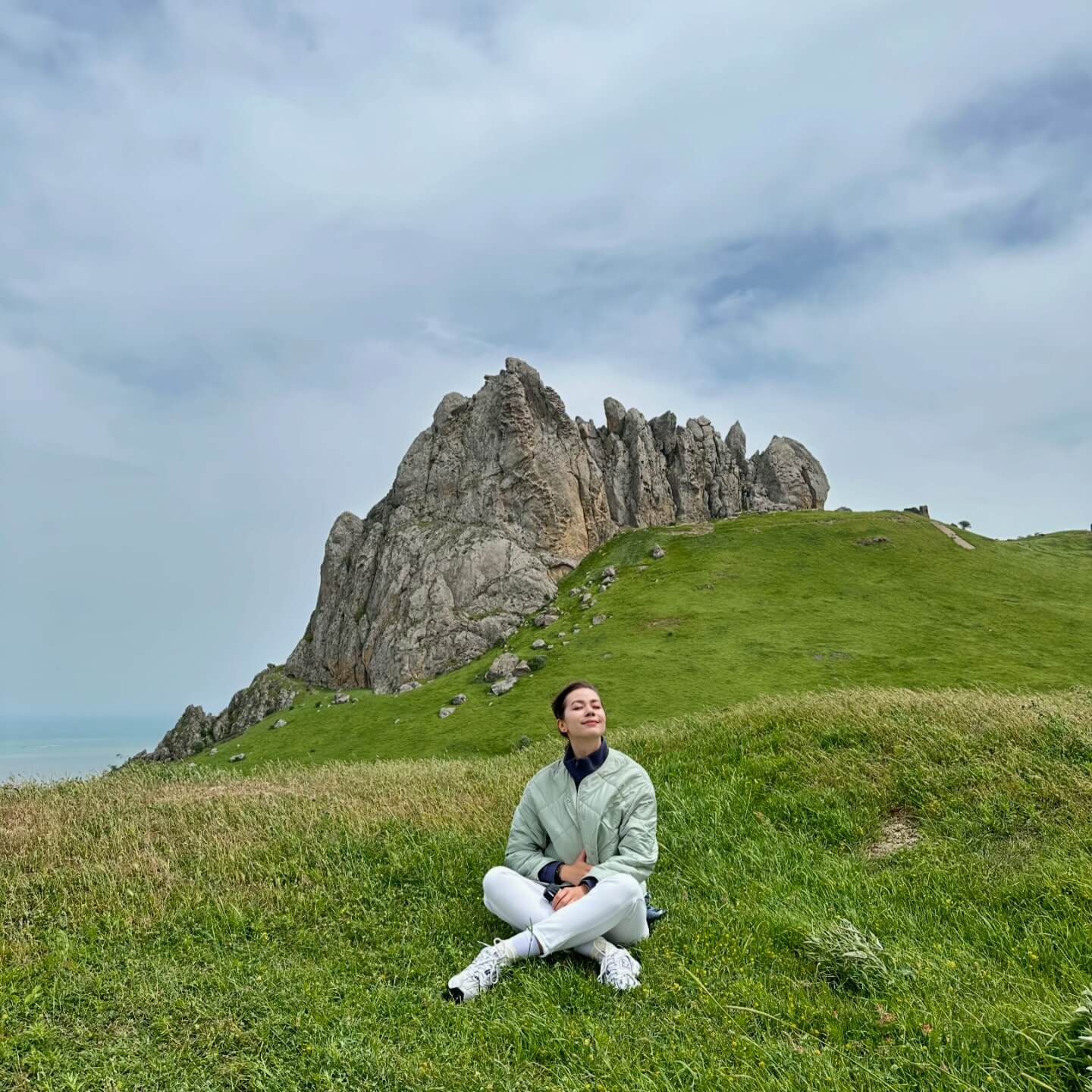
Following the right trekking safety tips for mountain adventure helps you enjoy your outdoor experience while staying protected from common trekking risks. Whether you are planning a beginner-friendly hike or a challenging Himalayan expedition, proper preparation, awareness, and responsible decisions are the keys to a successful trek.
This complete guide will help you understand important safety measures that every trekker should follow before and during a mountain adventure.
The excitement of walking through mountain trails, surrounded by breathtaking landscapes, peaceful valleys, and snow-covered peaks is an experience every adventure lover dreams of. Trekking allows you to disconnect from daily life and reconnect with nature, but mountains also come with their own challenges. Changing weather, difficult terrain, high altitude, and unexpected situations can turn an exciting journey into a risky one if you are not prepared.
Understand Your Trek Route Before Starting Your Adventure
A safe trek begins with proper planning. Many trekking problems happen because travellers start their journey without knowing enough about the route, difficulty level, weather conditions, or local surroundings. Before selecting a trek, research important details such as the total distance, altitude gain, trail difficulty, camping locations, and availability of basic facilities.
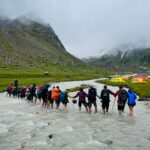
Understanding the terrain helps you prepare yourself physically and mentally. A trail that looks easy in photographs may involve steep climbs, rocky paths, river crossings, or unpredictable weather conditions. Reading previous traveller experiences and checking updated trail information can also help you make better decisions.
For travellers planning mountain trips, exploring trusted travel resources like Chalo Travellers can help you discover suitable trekking destinations and adventure experiences.
Prepare Your Body Before Going for a Mountain Trek
Physical preparation plays a major role in trekking safety. Mountains require more effort than regular walking because of uneven surfaces, long walking hours, and reduced oxygen levels at higher altitudes. Even a short trek can become exhausting if your body is not prepared.
Start improving your fitness several weeks before your trekking date. Regular walking, jogging, cycling, stair climbing, and strength exercises can improve your stamina and endurance. Focus on strengthening your legs, core muscles, and breathing capacity because these areas support you during long uphill climbs.
A physically prepared trekker can handle challenges better, avoid unnecessary injuries, and enjoy the journey instead of struggling throughout the trail.
Choose the Right Trekking Gear and Clothing
Carrying the right equipment is one of the most important trekking safety tips for mountain adventure. Your gear should match the location, season, and difficulty level of your trek. Poor-quality equipment or unsuitable clothing can create problems when you are far away from towns and medical facilities.
Comfortable trekking shoes with good grip are essential because mountain trails can be slippery and uneven. Wearing proper layers of clothing helps your body adjust to changing temperatures. A moisture-wicking base layer, warm insulating layer, and waterproof outer jacket can protect you from cold, wind, and rain.
A good backpack should include essentials like a first-aid kit, water bottle, power bank, headlamp, sunscreen, rain cover, personal medicines, and energy snacks. Carrying necessary items ensures you are prepared for unexpected situations without making your backpack unnecessarily heavy.
Always Check Weather Conditions Before Trekking
Mountain weather can change within minutes, which makes weather awareness extremely important. A clear morning sky can quickly turn into heavy rain, snowfall, strong winds, or foggy conditions. Ignoring weather warnings is one of the common mistakes made by inexperienced trekkers.
Always check weather forecasts before starting your trek and stay updated about local conditions. Avoid crossing dangerous sections during storms and do not take unnecessary risks to complete your route.
Experienced trekkers understand that reaching the destination is not more important than returning safely. If weather conditions become unsafe, delaying your plan or turning back is always the smarter decision.
Stay Hydrated and Maintain Your Energy Levels
Proper hydration is essential during every mountain adventure. Trekking requires continuous physical effort, and your body loses water through sweating and increased breathing at higher elevations. Dehydration can cause headaches, weakness, dizziness, and reduced concentration, making trekking more difficult.
Drink water regularly throughout the day instead of waiting until you feel thirsty. Carry enough water and use purification methods if you need to refill from natural sources. Along with water, eating nutritious snacks helps maintain your energy during long walking hours.
Foods like dry fruits, nuts, energy bars, chocolates, and other lightweight snacks provide quick energy without adding too much weight to your backpack.
Learn About Altitude Sickness and Mountain Health
Altitude sickness is one of the biggest concerns during high-altitude trekking. As you move higher, oxygen levels decrease, and your body needs time to adjust. Ignoring early symptoms can lead to serious health problems.
Common signs of altitude-related issues include headaches, nausea, tiredness, difficulty sleeping, dizziness, and loss of appetite. Proper acclimatization is important because it allows your body to slowly adapt to higher elevations.
Avoid rushing your climb, drink enough water, take proper rest, and inform your trekking group if you feel uncomfortable. Descending to a lower altitude is often the safest solution when symptoms become severe.
You can also explore more adventure travel guides and trekking information through Chalo Travellers Blog.
Follow Trail Rules and Avoid Getting Lost
Mountain trails can sometimes be confusing, especially in forests, snowy areas, or less-marked routes. Staying on the correct path is important for your safety. Shortcuts may look attractive, but they can lead to unstable areas, steep drops, or unknown routes.
Always follow marked trails and pay attention to signs along the way. Carry offline maps, GPS navigation, or a physical map if required. Avoid separating from your group without informing others.
Good navigation skills are a valuable part of trekking safety tips for mountain adventure because even experienced hikers can lose direction in unfamiliar terrain.
Trek Responsibly With a Group or Inform Someone About Your Plan
Although solo trekking can be an amazing experience, travelling with a group provides additional safety. Having companions means you have support during injuries, emergencies, or difficult situations.
If you prefer trekking alone, always share your complete itinerary with family or friends. Inform them about your route, expected return date, and emergency contacts.
A simple safety update before leaving can make a huge difference if something unexpected happens during your adventure.
Carry Basic First Aid and Emergency Essentials
A first-aid kit should always be part of your trekking backpack. Small injuries like cuts, blisters, muscle pain, or minor falls can become uncomfortable problems during a mountain journey.
Your emergency kit should include basic medical supplies and personal medicines required during the trek. Knowing how to handle small injuries can help you continue safely until professional help becomes available.
Along with medical supplies, carrying an emergency whistle, extra batteries, and a power bank can be extremely useful during difficult situations.
Protect Yourself From Sun, Cold, and Changing Temperatures
Many trekkers underestimate mountain weather conditions. Sun exposure becomes stronger at higher altitudes, and cold temperatures can affect your body quickly.
Use sunscreen, sunglasses, and protective clothing to avoid sunburn. During colder treks, keep yourself warm by wearing proper layers and avoiding wet clothes for long periods.
Understanding how your body reacts to environmental changes is another important part of staying safe in the mountains.
Respect Nature and Follow Responsible Trekking Practices
Safety is not only about protecting yourself; it is also about protecting the environment you explore. Mountains are fragile ecosystems, and responsible trekking helps preserve them for future travellers.
Avoid leaving waste behind, respect local communities, do not disturb wildlife, and follow eco-friendly trekking practices. Carry your garbage back and avoid using resources unnecessarily.
Responsible travellers create safer and cleaner trails for everyone.
Common Mistakes Trekkers Should Avoid
Many trekking accidents happen because of simple mistakes. Ignoring weather updates, carrying insufficient water, wearing uncomfortable shoes, starting late, overestimating fitness levels, and ignoring body signals are some common problems faced by trekkers.
Listening to your body and making practical decisions can prevent many difficulties. Adventure is enjoyable when combined with responsibility and awareness.
Final Thoughts on Trekking Safety Tips for Mountain Adventure
Mountains offer unforgettable experiences, stunning views, and a sense of achievement that few other adventures can provide. However, every mountain journey requires respect, preparation, and smart decision-making.
Following these trekking safety tips for mountain adventure allows you to explore beautiful trails while reducing risks. From choosing the right gear and preparing your body to understanding altitude, weather, and emergency planning, every small step contributes to a safer trekking experience.
The best trekking memories are created when you return home safely with incredible stories, photographs, and experiences to share. Prepare well, respect the mountains, and enjoy every step of your adventure.