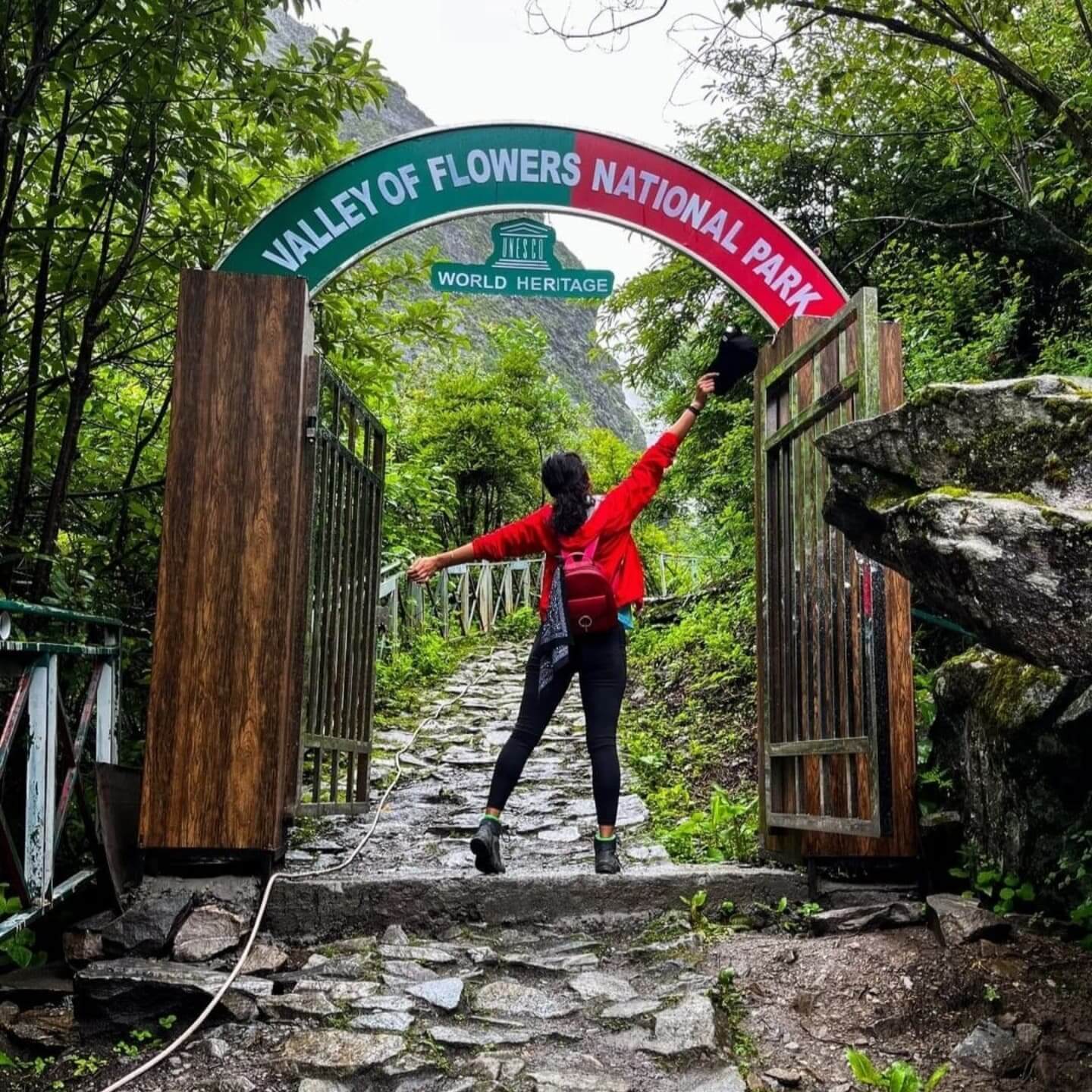
If there’s one place in India that truly feels like a dream, it’s the Valley of Flowers. Hidden in the Himalayas of Uttarakhand, this magical destination comes alive during the monsoon season when thousands of flowers bloom across vast green meadows.
A visit to Valley of Flowers National Park is not just about sightseeing—it’s about experiencing nature in its purest form. The peaceful atmosphere, scenic landscapes, and fresh mountain air make it a perfect escape for anyone looking to disconnect from city life.
Why Visit Valley of Flowers?
The Valley of Flowers is not your typical hill station filled with crowded viewpoints and markets. Instead, it offers a quiet, untouched environment where nature takes center stage. This UNESCO World Heritage Site is home to more than 500 species of wildflowers that bloom in vibrant colors, creating a natural carpet across the valley.
Surrounded by snow-capped Himalayan peaks, the region feels surreal and almost unreal. Visitors often spot rare wildlife such as the Himalayan blue sheep, adding a sense of adventure to the journey. What makes this place special is its simplicity—no luxury distractions, just raw beauty and tranquility.
Best Time to Visit Valley of Flowers
Choosing the right time to visit the Valley of Flowers can completely shape your experience. The park opens to visitors from June to October, but each month offers something slightly different. In June, the snow begins to melt, and the valley slowly turns green.
By July and August, the valley reaches its peak beauty with flowers in full bloom, making it the best time for photography and sightseeing. September offers fewer flowers but clearer skies and a quieter environment, which many travelers prefer.
By October, the valley starts preparing for closure, and the temperatures drop significantly. If you want the most colorful and vibrant experience, planning your trip between mid-July and mid-August is ideal.
How to Reach Valley of Flowers
Reaching the Valley of Flowers involves a combination of road travel and trekking, which makes the journey even more exciting. Most travelers begin their trip from Rishikesh, a well-connected town with good road and rail access. From there, a scenic drive takes you to Govindghat, which serves as the starting point of the trek.
The next leg involves a 13-kilometer trek to Ghangaria, a small village that acts as the base camp. From Ghangaria, it’s a relatively short 4-kilometer trek to reach the Valley of Flowers. For those traveling by air, the nearest airport is Jolly Grant Airport, from where you can continue by road.
Valley of Flowers Trek Details
The trek to the Valley of Flowers is considered beginner-friendly, but it still requires a reasonable level of fitness. The total trekking distance, including the route from Govindghat to the valley, is around 17 kilometers one way. Most travelers complete the journey over four to six days, depending on their pace and itinerary.
The base camp at Ghangaria is where you’ll stay before heading into the valley. The trail itself is incredibly scenic, passing through waterfalls, forests, and flowing streams. Even if you’re not an experienced trekker, the beauty of the surroundings keeps you motivated throughout the journey.
Entry Fees & Permits
To preserve the fragile ecosystem of the Valley of Flowers, entry is regulated through permits. Indian citizens need to pay a nominal fee of around ₹150 per person, while foreign visitors are charged ₹600. These permits are valid for three days and can be obtained at the forest check post near Ghangaria.
It’s a simple process, but it’s important to carry valid identification and follow the rules set by the authorities.
Where to Stay
Since accommodation is not allowed inside the Valley of Flowers itself, travelers stay in Ghangaria. This small village offers a range of basic accommodation options, including budget guesthouses, GMVN lodges, and simple hotels.
While you won’t find luxury amenities here, the experience of staying amidst the mountains more than makes up for it. The peaceful environment and cool weather create a relaxing atmosphere after a long day of trekking.
What to Pack for Valley of Flowers
Packing smartly is essential for a comfortable trip to the Valley of Flowers. Since the region experiences frequent rain during peak season, carrying a raincoat or poncho is highly recommended. Comfortable trekking shoes are a must, as the trails can be slippery and uneven.
Even during summer, temperatures can drop, so warm clothing is necessary. It’s also helpful to carry a power bank, basic medicines, and a reusable water bottle. Keeping your luggage light will make the trek easier and more enjoyable.
Things to Keep in Mind
While visiting the Valley of Flowers, there are a few important things to remember. Starting your trek early in the morning helps you avoid crowds and gives you enough time to explore the valley. Camping inside the valley is not allowed, so you must return to Ghangaria the same day.
The area is eco-sensitive, which means plastic is strictly prohibited, and maintaining cleanliness is crucial. Weather conditions can change quickly in the mountains, so being prepared for sudden rain or cold is important. Also, mobile network connectivity is limited, so it’s best to inform your family in advance.
Nearby Places to Explore
A trip to the Valley of Flowers becomes even more memorable when combined with nearby attractions. One such place is Hemkund Sahib, a revered Sikh pilgrimage site located at a high altitude. The trek to Hemkund Sahib is steep but offers breathtaking views.
Another important destination is Badrinath Temple, one of the Char Dham pilgrimage sites, which is located a few hours from Govindghat. You can also spend some time in Joshimath, a beautiful town that serves as a gateway to many Himalayan destinations.
Sample 5-Day Itinerary
A well-planned itinerary helps you make the most of your trip. On the first day, you can travel from Rishikesh to Govindghat and rest overnight. The second day is dedicated to trekking from Govindghat to Ghangaria.
On the third day, you can explore the Valley of Flowers and return to Ghangaria by evening. The fourth day can be reserved for a visit to Hemkund Sahib, followed by another night in Ghangaria. On the final day, you trek back to Govindghat and begin your return journey.
Cost of Valley of Flowers Trip
The overall cost of a Valley of Flowers trip depends on your travel style, but it is generally budget-friendly. Transportation can cost anywhere between ₹3,000 and ₹6,000, depending on your starting point and mode of travel.
Accommodation in Ghangaria typically ranges from ₹800 to ₹2,000 per night. Daily food expenses can be around ₹300 to ₹500, and the entry permit costs ₹150 for Indian travelers. In total, you can expect to spend between ₹6,000 and ₹12,000 per person for the entire trip.
Internal Links (Chalotravellers.com)
For more travel planning ideas, you can explore detailed guides like Kedarnath trip cost on Chalotravellers and also check the best time to travel to Goa to plan your next vacation smartly.
Conclusion
The Valley of Flowers is more than just a destination—it’s an experience that stays with you long after the trip ends. From colorful blooms to peaceful trekking trails, every moment spent here feels refreshing and meaningful.
If you’re looking for a place that offers natural beauty without the chaos of crowded tourist spots, the Valley of Flowers is the perfect choice. It’s a journey that allows you to slow down, reconnect with nature, and create unforgettable memories.