A Vietnam itinerary for Indian travellers can cover Hanoi, Halong Bay, Da Nang, Hoi An, and Ho Chi Minh City comfortably in 7 days, with an average trip cost starting from ₹45,000 per person. Vietnam is one of the best international destinations for Indians because it offers affordable stays, delicious food, beautiful landscapes, simple visa procedures, and memorable experiences without a very high budget.
Why Do Indian Travellers Love Vietnam?
Vietnam has become a favourite destination among Indian travellers because it offers a perfect mix of affordability, culture, nature, and adventure. Unlike some expensive international destinations, Vietnam allows you to enjoy comfortable hotels, local experiences, sightseeing tours, and authentic food at reasonable prices.
The country is also convenient for Indian tourists because flights are easily available from major cities like Delhi and Mumbai. Return flight tickets usually cost around ₹18,000 to ₹35,000 per person depending on the season, airline, and booking time. Travellers who plan early can often find better deals and save a significant amount on their overall Vietnam cost from India.
Another reason Indians enjoy Vietnam is the variety of experiences available within a short distance. You can explore the old streets of Hanoi, enjoy a peaceful cruise at Halong Bay, relax on Da Nang beaches, walk through the lantern streets of Hoi An, and discover the history of Ho Chi Minh City in one well-planned trip.
If you are travelling for the first time, keep one thing in mind: Vietnamese cities can feel crowded, especially during peak months. Traffic in Hanoi and Ho Chi Minh City is very active, and crossing roads may take some confidence initially. Once you adjust, travelling around becomes much easier.
What Is the Best Time to Visit Vietnam from India?
The best time to visit Vietnam is between October and April because the weather remains comfortable for sightseeing, cruises, and outdoor activities. However, Vietnam has different weather patterns in the north, central, and southern regions, so your travel experience depends on which places you include in your itinerary.
January is a comfortable month to visit Vietnam, especially if you want to explore Hanoi and Halong Bay. The weather remains cool in the north, while southern cities like Ho Chi Minh City have pleasant conditions.
February is considered one of the popular travel months because of comfortable temperatures and clear skies. Many Indian travellers prefer this period for family holidays and honeymoon trips.
March is among the best months for a complete Vietnam itinerary because most regions experience favourable weather. It is a great time to combine northern attractions, central beaches, and southern city tours.
April offers warm weather but remains suitable for sightseeing. Beaches in Da Nang become attractive during this period, although temperatures start increasing towards the end of the month.
May marks the beginning of the summer season. Tourist crowds reduce slightly, and hotels may offer better prices. It is a good option for travellers looking for affordable Vietnam packages.
June and July experience higher temperatures and rainfall in many areas. These months are suitable for budget travellers who want lower prices and fewer crowds but should be prepared for sudden showers.
August continues to experience monsoon conditions in some regions. Outdoor activities may require flexible planning because weather changes can happen quickly.
September is a transition month when rainfall begins reducing in several places. Travellers can find good hotel deals during this period.
October is one of the best value months to visit Vietnam. The weather improves, tourist numbers remain manageable, and prices are usually lower compared to the December holiday season.
November offers excellent conditions for exploring Vietnam. It is especially suitable for couples and photographers because of pleasant temperatures.
December is part of the peak travel season. Weather conditions are excellent, but flights and hotels become more expensive due to increased demand.
Peak season in Vietnam is from October to April, while May to September is considered the monsoon period. For better prices with comfortable weather, May, September, and October are good choices.
How Much Does Vietnam Cost from India?
The average Vietnam cost from India ranges between ₹45,000 and ₹1,50,000 or more per person depending on your travel style, hotel category, and activities. A budget traveller can explore Vietnam comfortably, while luxury travellers can enjoy premium cruises, resorts, and private experiences.
A budget Vietnam trip usually costs around ₹45,000 to ₹65,000 per person. This includes affordable flights, simple hotels or guesthouses, local transport, economical food, and basic sightseeing experiences. This option works well for backpackers and travellers who prefer exploring more while controlling expenses.
A mid-range Vietnam holiday generally costs between ₹70,000 and ₹1,10,000 per person. This budget allows you to stay in comfortable three or four-star hotels, enjoy guided tours, book airport transfers, and experience popular attractions without worrying about every small expense.
A luxury Vietnam vacation can cost ₹1,20,000 to ₹1,50,000 or more per person. Luxury travellers can choose premium hotels, private transfers, luxury cruises, fine dining experiences, and customised sightseeing.
Flights are one of the biggest parts of your budget. A return flight from Delhi to Hanoi or Ho Chi Minh City generally costs around ₹18,000 to ₹35,000 per person. Flights from Mumbai usually range between ₹20,000 and ₹38,000 depending on availability and season.
Booking your flights two to three months before departure can help you get better prices. During festivals, December holidays, and peak tourist months, flight costs can increase significantly.
Do Indians Need a Visa for Vietnam?
Yes, Indian citizens require a visa to visit Vietnam, and the Vietnam e-visa process can be completed online before travel. The process is simple, but you should apply early to avoid last-minute problems.
To apply for a Vietnam visa for Indians, you need a valid passport with at least six months of validity remaining from your travel date. You also need a scanned passport information page, a recent passport-size photograph, and basic travel details such as arrival date and accommodation information.
The online application requires you to fill in personal details, upload documents, and submit the required payment. The Vietnam e-visa fee is approximately ₹2,000 to ₹2,500 depending on currency exchange rates and visa type.
After submission, the approval process usually takes around three to seven working days. Once approved, download and print your e-visa because you need to show it during immigration checks.
Many travellers make the mistake of applying only a few days before departure. It is better to complete your visa process at least three weeks before your flight so you have enough time in case of delays.
What Is the Perfect 7-Day Vietnam Itinerary?
This Vietnam 7 days itinerary covers Vietnam’s most popular destinations, including Hanoi, Halong Bay, Da Nang, Hoi An, and Ho Chi Minh City, without making your trip too rushed. It is designed for Indian travellers who want a balance of sightseeing, food experiences, cultural exploration, and relaxation.
Day 1: Arrive in Hanoi and Explore the City
Start your Vietnam trip from Hanoi, the capital city known for its traditional charm and historic streets. After reaching your hotel, spend the evening exploring Hoan Kiem Lake, the Old Quarter, St. Joseph’s Cathedral, and nearby local markets.
Hanoi is a great introduction to Vietnamese culture because you can experience street food, traditional architecture, and daily local life within walking distance. Try Vietnamese coffee and local dishes while exploring small cafés around the Old Quarter.
Day 2: Hanoi to Halong Bay Cruise Experience
On the second day, take a day trip or overnight cruise to Halong Bay, one of Vietnam’s most famous attractions. The area is known for limestone islands, peaceful waters, caves, and beautiful views.
A cruise usually includes sightseeing, meals, kayaking, and stops at popular caves. If your budget allows, an overnight cruise gives a more relaxing experience compared to a rushed day tour.
Day 3: Fly to Da Nang and Explore Central Vietnam
Take a domestic flight from Hanoi to Da Nang, which usually takes around 1.5 hours. Da Nang is known for its beaches, modern attractions, and easy access to nearby destinations.
Spend your day visiting My Khe Beach, Dragon Bridge, Han Market, and the city’s riverside areas. Da Nang is also a good place to enjoy seafood and affordable local restaurants.
Day 4: Discover Hoi An Ancient Town
Take a short drive from Da Nang to Hoi An, a historic town famous for colourful lantern streets and traditional buildings.
Walk around the Ancient Town, visit the Japanese Covered Bridge, explore riverside cafés, and enjoy the evening lantern atmosphere. Hoi An is especially popular among honeymoon couples because of its romantic surroundings.
Day 5: Visit Ba Na Hills and Golden Bridge
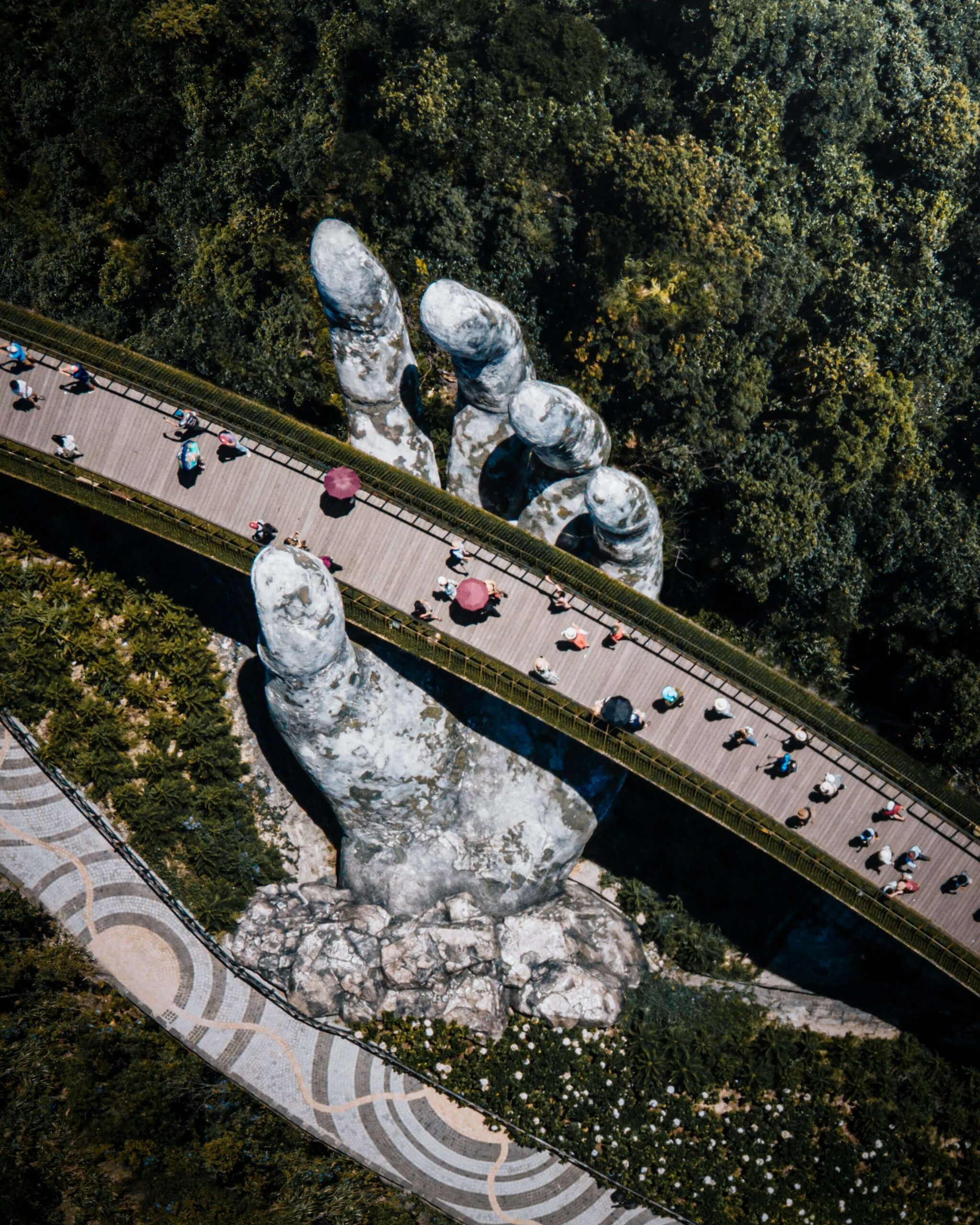
Spend the fifth day exploring Ba Na Hills, one of the most photographed attractions in Vietnam. The destination is famous for the Golden Bridge, which is surrounded by mountain views.
The cable car ride itself is an exciting experience. You can also explore the French Village area, gardens, and entertainment zones. Keep extra time because the attraction can get crowded during peak hours.
Day 6: Travel to Ho Chi Minh City
Fly from Da Nang to Ho Chi Minh City, Vietnam’s largest city and commercial centre. Spend your evening exploring famous locations such as Nguyen Hue Walking Street, Ben Thanh Market, and the city centre.
Ho Chi Minh City offers a different side of Vietnam with modern buildings, shopping areas, nightlife, and historical attractions.
Day 7: Explore Cu Chi Tunnels and Departure
Complete your Vietnam trip by visiting the Cu Chi Tunnels, an important historical site connected with the Vietnam War.
You can also visit the War Remnants Museum before heading to the airport. This experience gives you deeper insight into Vietnam’s history and people.
What Tips Should Indian Travellers Know Before Visiting Vietnam?
Indian travellers should prepare their food preferences, internet options, currency needs, and cultural awareness before visiting Vietnam for a smoother holiday experience.
How Can Indian Vegetarians Find Food in Vietnam?
Vietnam offers many vegetarian-friendly options, but you may need some planning if you prefer only vegetarian meals. Buddhist vegetarian restaurants are common in major cities like Hanoi, Da Nang, and Ho Chi Minh City.
You can enjoy dishes such as vegetarian pho, tofu-based meals, vegetable spring rolls, and fried rice. Before ordering, tell the restaurant staff that you do not eat meat. Carrying a translation app also helps when you visit smaller local restaurants.
Many Indian travellers save a list of vegetarian restaurants before arriving because finding pure vegetarian food becomes slightly difficult outside major tourist areas.
Which SIM Card Should Indians Buy in Vietnam?
You should buy a local SIM card after reaching Vietnam because it provides affordable internet access throughout your trip. Viettel and Vinaphone offer reliable network coverage across popular tourist destinations.
You can purchase a SIM card at the airport or official stores in cities. A data package usually costs between ₹500 and ₹1,000 depending on validity and internet usage.
Having mobile internet makes it easier to use maps, translation apps, ride-booking services, and online payments.
How Should Indians Manage Currency in Vietnam?
Vietnam uses Vietnamese Dong (VND), and the currency conversion may feel confusing because the numbers are large. Exchange some Indian Rupees into Vietnamese Dong before exploring local markets and small restaurants.
Major hotels, shopping malls, and tourist attractions accept cards, but cash remains useful for street food, local cafés, and small shops.
Avoid exchanging large amounts at random street counters. Use authorised exchange centres or banks for safer transactions.
What Cultural Tips Should Indian Travellers Follow?
Vietnamese people appreciate polite behaviour and respectful communication. When you visit temples, pagodas, or historical places, wear modest clothing and maintain a calm atmosphere.
Remove footwear before entering certain religious areas and avoid loud conversations near prayer spaces. Simple gestures like smiling and greeting locals create a better travel experience.
Is Vietnam Safe for Indian Tourists?
Vietnam is a safe destination for Indian travellers, but you should follow basic precautions. Keep your passport, wallet, and phone secure in crowded markets and tourist areas.
Use trusted taxi services or ride-hailing applications instead of accepting random transport offers. Traffic can feel chaotic, especially in Hanoi and Ho Chi Minh City, so cross roads carefully.
What Should You Book in Advance for Vietnam?
Early booking helps you get better prices and avoid availability issues, especially during Vietnam’s peak travel months.
When Should You Book Flights to Vietnam?
You should book flights from Delhi and Mumbai around two to three months before departure. Return flights usually cost between ₹18,000 and ₹38,000 per person, depending on the airline, season, and booking date.
Flight prices increase during December holidays, New Year, and long weekends, so early planning can reduce your overall Vietnam cost from India.
When Should You Apply for Vietnam Visa?
Complete your Vietnam visa application at least three weeks before your travel date. Although the online process usually takes a few working days, early application gives you extra time if you need corrections.
Keep your passport details, photograph, and travel information ready before starting the application.
Should You Reserve Halong Bay Cruise Before Arrival?
Yes, you should reserve your Halong Bay cruise before travelling, especially if you want an overnight cruise experience. Popular cruises often fill quickly during October to April.
Booking early also helps you choose better cruise categories according to your budget.
Should You Book Domestic Flights in Vietnam?
You should reserve domestic flights between Hanoi, Da Nang, and Ho Chi Minh City in advance. Last-minute tickets often cost more, especially during holidays.
Planning your route before arrival helps you save time and avoid unnecessary travel delays.
Should You Buy Attraction Tickets Early?
Popular attractions like Ba Na Hills and selected guided tours can become crowded during peak months. Booking tickets before arrival helps you spend more time exploring and less time waiting.