If you have been searching for how to plan an Iceland trip step by step, this guide will help you understand everything in a simple and practical way. From choosing the best season to understanding the Iceland trip cost from India detailed breakdown, this article covers all the important things you should know before booking your tickets.
Planning a trip to Iceland feels exciting and slightly overwhelming at the same time. Between glaciers, volcanoes, waterfalls, black sand beaches, and the magical Northern Lights, Iceland looks like a dream destination straight out of a movie. But because it’s very different from regular international trips, many Indian travellers often get confused about budgeting, visas, transportation, weather, and itinerary planning.
One of the biggest reasons why Iceland attracts travellers from around the world is because the country feels untouched and dramatic. In one single trip, you can experience volcanoes, glaciers, waterfalls, black sand beaches, ice caves, hot springs, and scenic road trips. Few destinations in the world offer such variety in landscapes. Whether you are travelling as a couple, solo traveller, family, or group of friends, Iceland gives a once-in-a-lifetime experience that feels completely different from typical Europe holidays.
Best Time to Visit Iceland for Different Experiences
The first thing you should decide while planning your Iceland journey is the best time to visit. Every season in Iceland offers a completely different experience. During summer, especially from June to August, the country experiences the famous midnight sun where daylight lasts for almost twenty hours. This season is ideal for road trips, sightseeing, hiking, waterfall exploration, and scenic photography.
The weather remains pleasant, roads stay accessible, and travellers can comfortably cover more destinations in less time. However, summer is also the most expensive period because flights and hotels become costly due to tourist crowds.
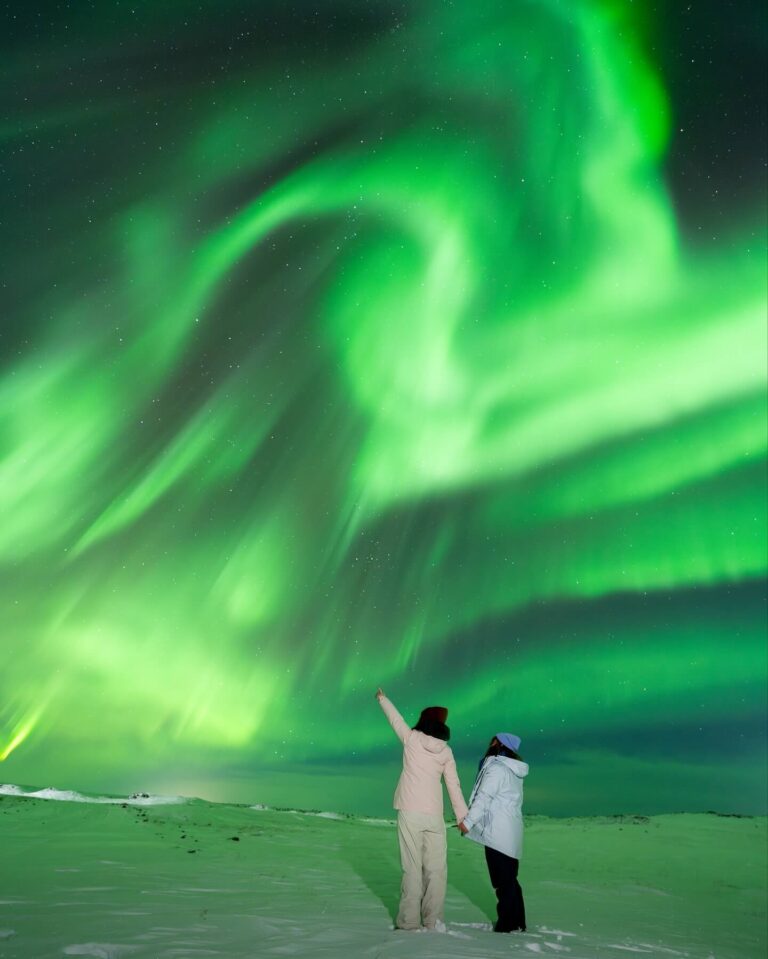
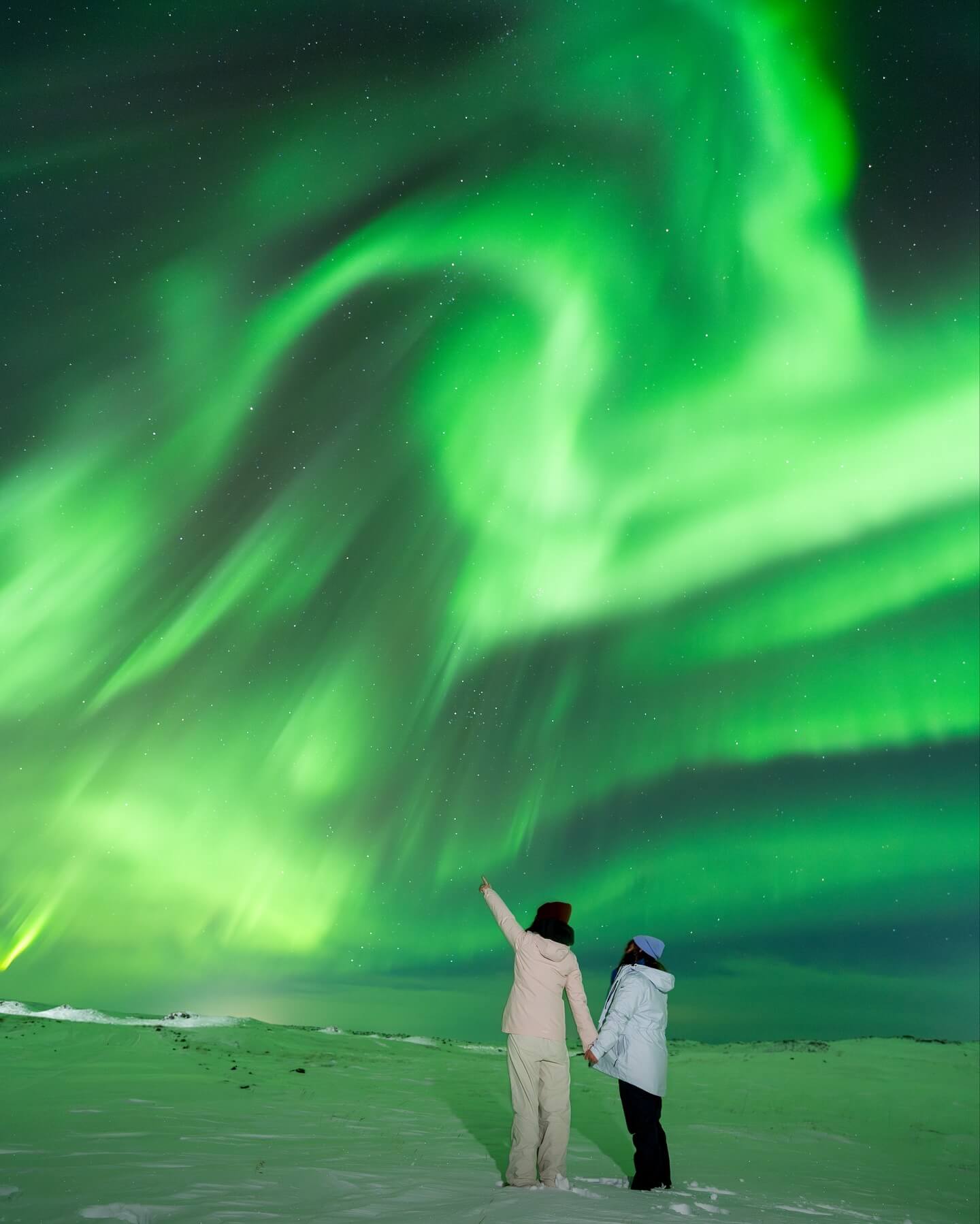
Winter, which usually lasts from November to March, transforms Iceland into a snowy wonderland. This is the best time to witness the Northern Lights, explore ice caves, and enjoy magical snow-covered landscapes. Many travellers specifically visit Iceland during winter for the aurora experience.
Flights may sometimes become slightly cheaper during this season, but weather conditions can also become harsh. Snowstorms, shorter daylight hours, and road closures are common, so travellers need to plan carefully.
For travellers looking for a balance between affordability and good weather, shoulder seasons like April, May, September, and October work extremely well. These months usually offer fewer crowds, better hotel rates, beautiful scenery, and a chance to witness the Northern Lights during autumn. Many experienced travellers consider this the smartest time to visit Iceland.
Understanding Iceland Trip Cost from India
Understanding the overall Iceland budget is another major part of learning how to plan an Iceland trip step by step. Iceland is definitely not a cheap destination, especially compared to Southeast Asian countries. However, smart planning can help reduce expenses significantly.
A budget traveller from India can expect to spend around ₹1.5 lakh to ₹2 lakh for a seven to eight-day trip if they stay in hostels, cook meals occasionally, and use shared transportation. Mid-range travellers usually spend around ₹2.5 lakh to ₹3.5 lakh per person depending on hotel choices, activities, and car rentals. Luxury travellers can easily spend above ₹5 lakh if they choose premium hotels and exclusive experiences.
Flights usually take up a large portion of the budget. Since there are no direct flights from India to Iceland, most travellers fly through cities like London, Amsterdam, Paris, or Copenhagen. The main airport in Iceland is Keflavík International Airport.
Return flight tickets from India generally start from around ₹55,000 to ₹75,000 if booked early. Booking tickets at least three to five months in advance can help you secure better deals.
Iceland Visa Process for Indian Travellers
The next important step is the Iceland visa process. Iceland comes under the Schengen region, so Indian travellers need a Schengen tourist visa before travelling. The process is similar to applying for visas for other European countries.
You will need documents like passport, photographs, travel insurance, hotel bookings, bank statements, flight reservations, income proof, and a cover letter explaining your travel plans. It is always better to apply at least one and a half to two months before departure because processing may sometimes take longer during peak travel seasons.
Travellers should also ensure that their passport remains valid for at least six months from the date of travel. Keeping extra copies of all important documents is always helpful during international trips.
Ideal Iceland Itinerary for First-Time Travellers
Once your flights and visa process are sorted, itinerary planning becomes the most exciting part. Iceland may look small on the map, but travelling between attractions takes time because of weather conditions and long driving distances.
A seven to eight-day itinerary works best for first-time travellers because it allows enough time to explore major highlights comfortably without rushing too much. Most trips begin in Reykjavík, the capital city of Iceland. Reykjavik is small, charming, and easy to explore on foot.
Popular attractions include Hallgrímskirkja Church, Harpa Concert Hall, colourful streets, and local cafes serving Icelandic cuisine. Many travellers spend their first day here relaxing after long international flights.
Golden Circle Route: Iceland’s Most Famous Attractions
The Golden Circle route is usually the next stop in most Iceland itineraries. This route includes Þingvellir National Park, the Geysir geothermal area, and the famous Gullfoss waterfall. These attractions offer an excellent introduction to Iceland’s dramatic natural beauty.
Þingvellir National Park is historically important because it is home to Iceland’s ancient parliament site and also lies between two tectonic plates. The Geysir geothermal area features bubbling hot springs and erupting geysers that create a fascinating natural display.
Gullfoss waterfall remains one of the most powerful waterfalls in Iceland and attracts travellers throughout the year. Together, these locations make the Golden Circle one of the most popular sightseeing routes in the country.
South Coast Highlights: Waterfalls and Black Sand Beaches
The South Coast region is another highlight that almost every traveller includes in their trip. This area is famous for stunning waterfalls like Seljalandsfoss and Skógafoss along with the breathtaking Reynisfjara black sand beach.
Seljalandsfoss is unique because travellers can actually walk behind the waterfall during summer months. Skógafoss impresses visitors with its massive height and powerful flow. Reynisfjara Beach, with its black volcanic sand and dramatic sea stacks, looks unlike any beach most travellers have ever seen.
The South Coast also offers excellent opportunities for photography because almost every stop along the route feels scenic and cinematic.
Glacier Adventures and Ice Cave Experiences in Iceland
As travellers move further east, they reach glacier regions like Vatnajökull Glacier, where activities such as glacier hiking, snowmobiling, and ice cave exploration are popular.
Nearby, Jokulsarlon Glacier Lagoon remains one of Iceland’s most photographed locations because of its floating icebergs and nearby Diamond Beach. Many travellers describe this area as one of the most beautiful places they have ever seen.
Winter is usually the best season for ice cave tours because the caves become safer and visually more stunning with deep blue ice formations.
Blue Lagoon Experience: Iceland’s Famous Geothermal Spa
No Iceland trip feels complete without relaxing at the famous Blue Lagoon. This geothermal spa is one of Iceland’s most iconic attractions and offers warm mineral-rich water surrounded by lava fields.
Many travellers visit the Blue Lagoon either immediately after landing or before their return flight because it is located close to Keflavík International Airport. Since entry slots often sell out quickly, booking tickets in advance is highly recommended.
Apart from relaxation, the Blue Lagoon is also known for its skin-friendly silica-rich water and peaceful atmosphere.
Self-Drive vs Guided Tours in Iceland
A major decision travellers face while figuring out how to plan an Iceland trip step by step is choosing between a self-drive trip and guided tours. Self-driving is one of the most popular ways to explore Iceland because it gives complete flexibility to stop wherever you want for photography and sightseeing.
Couples, photographers, and adventure lovers usually prefer this option. However, winter driving in Iceland can become difficult due to snow and icy roads.
Travellers who are not confident driving in extreme conditions often choose guided tours instead. Guided tours reduce stress and simplify transportation, especially for solo travellers and families.
Accommodation Options in Iceland
Accommodation planning is another important part of Iceland travel. Hotels in Iceland can become very expensive during summer, especially near tourist hotspots.
Budget travellers usually stay in hostels, guesthouses, farm stays, or Airbnbs. Booking accommodation early helps save money because prices rise quickly closer to travel dates.
Staying slightly outside major city centres can also reduce costs significantly while still offering beautiful surroundings and peaceful stays.
Food Costs and Indian Food Tips for Iceland
Food is another area where travellers often spend more than expected. Restaurant meals in Iceland are expensive compared to India. A simple meal can easily cost between ₹1500 to ₹2500, while dining at restaurants may cost even more.
This is why many Indian travellers carry ready-to-eat food items like poha, cup noodles, theplas, or instant curries. Choosing accommodations with kitchen facilities also helps reduce food expenses.
Supermarkets like Bonus and Kronan are popular among budget travellers looking to buy groceries and snacks.
Essential Packing Tips for Iceland
Packing correctly is extremely important because Iceland’s weather changes very quickly. Even during summer, temperatures can feel cold and windy.
Waterproof jackets, thermal wear, gloves, good shoes, and layered clothing are essential throughout the year. Fashion should never become the priority over comfort and warmth while travelling in Iceland.
Travellers should also carry waterproof bags for cameras and electronics because rain and snow can arrive unexpectedly.
Iceland Tour Package from India vs DIY Travel
Many travellers also compare independent travel with an Iceland tour package from India before making their final decision. Tour packages usually include flights, hotels, airport transfers, sightseeing, and visa assistance.
These packages are convenient for families, honeymooners, and travellers who prefer stress-free planning. However, DIY travel often becomes more flexible and affordable for travellers who enjoy planning on their own.
Independent travel also allows travellers to customize itineraries according to their interests and pace.
Common Mistakes to Avoid While Planning Iceland Trip
There are also some common mistakes first-time travellers make while visiting Iceland. Many underestimate driving distances and try to fit too many places into a short trip.
Others fail to check weather forecasts regularly, how to plan an Iceland trip step by step which can create problems during winter travel. Last-minute hotel bookings can become extremely expensive, and packing incorrect clothing can make the trip uncomfortable.
Ignoring road safety warnings near beaches and cliffs is another mistake travellers should avoid.
Tips to Save Money During Your Iceland Trip
If you want to reduce your Iceland trip expenses, travelling during shoulder season, booking flights early, cooking meals occasionally, sharing rental cars, and staying in hostels can help significantly.
how to plan an Iceland trip step by step One great thing about Iceland is that tap water is among the cleanest in the world, so carrying a refillable water bottle helps save money too.
Travellers can also save money by using fuel discount cards and avoiding unnecessary luxury upgrades during short trips.
Is Iceland Safe for Indian Travellers?
Safety is another reason why Iceland attracts travellers globally. Iceland is considered one of the safest countries in the world, including for solo female travellers.
how to plan an Iceland trip step by step Still, travellers should always follow local weather alerts, avoid risky cliff edges near beaches, and drive carefully during snow conditions.
Emergency services are highly efficient in Iceland, but respecting nature and weather conditions remains extremely important.
Final Thoughts on How to Plan an Iceland Trip Step by Step
To conclude, if you are wondering how to plan an Iceland trip step by step, the most important thing is proper preparation. Iceland rewards travellers who plan wisely.
From choosing the right season and budgeting carefully to building a realistic itinerary and booking activities early, every small step helps improve the experience.
Although Iceland can be expensive, the landscapes and experiences make every rupee worth it. Watching waterfalls crash down massive cliffs, standing beside glaciers, relaxing in geothermal lagoons, or witnessing the Northern Lights dancing across the sky are memories that stay with travellers forever.
Related Blogs
Read All ›