Quick Facts About Hampta Pass Trek
The Hampta Pass Trek is located in Himachal Pradesh and is one of the most scenic crossover treks in the Indian Himalayas. The journey starts from Jobra, a small village near Manali, and concludes at Chatru in the Lahaul region. The trek reaches a maximum altitude of approximately 14,100 feet and generally takes 4 to 5 days to complete.
Covering a distance of around 26 to 30 kilometers, it is considered an easy-to-moderate trek, making it suitable for both beginners and experienced trekkers. The best months to undertake this adventure are from June to September when the trails are open and the landscapes are at their most beautiful.
Best Time to Experience Hampta Pass Trek
The Hampta Pass Trek offers a different experience in every month of the trekking season. June is ideal for those who want to witness snow-covered trails and dramatic mountain scenery. As the snow begins to melt, trekkers can enjoy a combination of snowy landscapes and fresh greenery.
During July and August, the valleys transform into lush green meadows filled with colorful wildflowers, creating some of the most picturesque views in the Himalayas. September is often considered one of the best months for the trek because of its clear skies, pleasant weather, and excellent visibility of the surrounding peaks, making it perfect for photography and sightseeing.
Day 1: Manali to Jobra and Trek to Chika
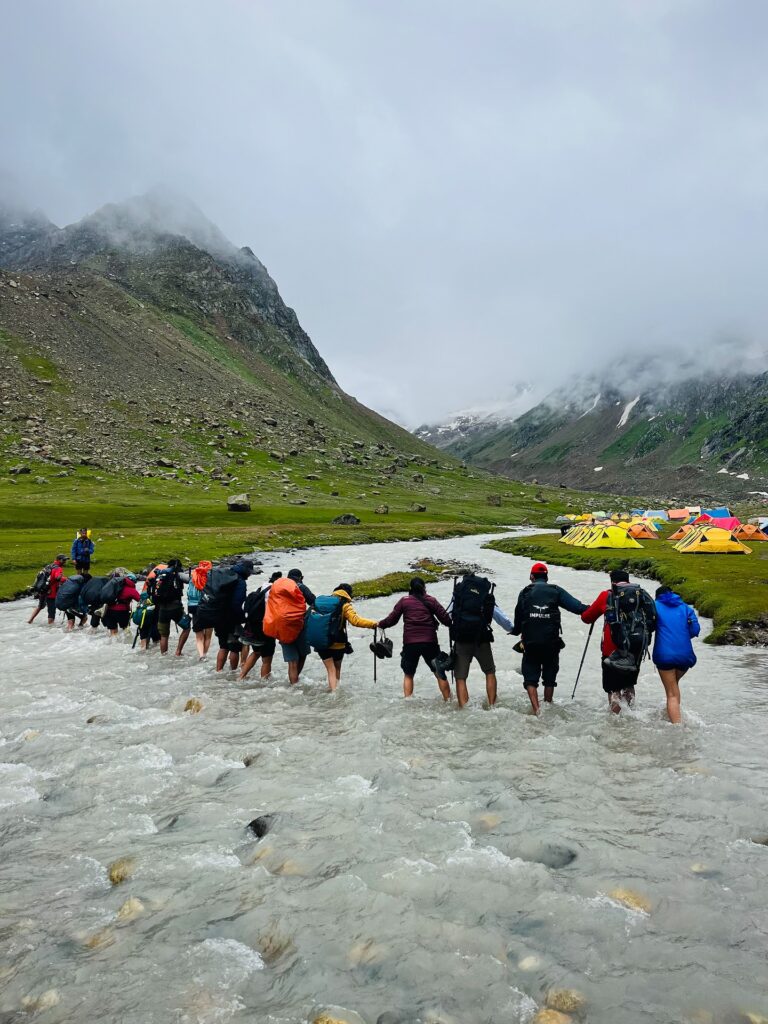
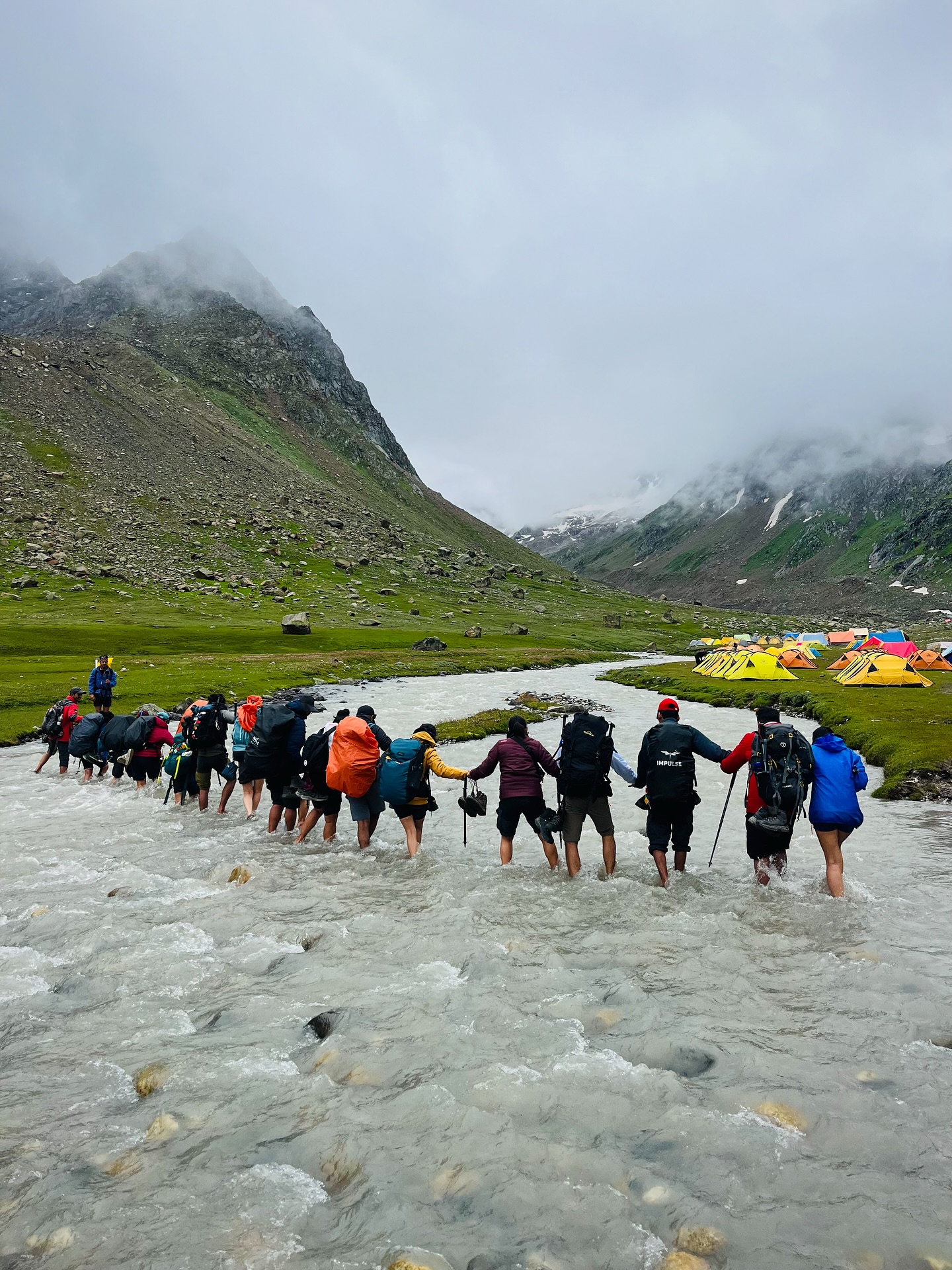
The adventure begins with a scenic drive from Manali to Jobra. From Jobra, trekkers start walking through dense forests filled with pine, maple, and oak trees. The trail follows the beautiful Rani Nallah stream and offers stunning views of the surrounding mountains. This first day is relatively easy and allows trekkers to settle into the rhythm of the journey while enjoying river crossings, forest paths, and peaceful natural surroundings. The campsite at Chika is surrounded by lush greenery and flowing streams, making it a perfect introduction to the trek.
Day 2: Chika to Balu Ka Ghera
The second day introduces trekkers to the vast open valleys that make the Hampta Pass Trek so unique. As you move beyond the forests, the landscape opens into expansive alpine meadows surrounded by towering mountain peaks. The route offers breathtaking views of glaciers, streams, and rolling grasslands. Balu Ka Ghera, which translates to “bed of sand,” serves as the campsite for the night. Located beside a river and surrounded by mountains, this campsite provides one of the most memorable sunset experiences on the trek.
Day 3: Balu Ka Ghera to Hampta Pass and Chatru
This is the most challenging and rewarding day of the trek. Trekkers start early in the morning and gradually ascend toward Hampta Pass. As the altitude increases, the views become more dramatic, with snow patches and rugged mountain terrain appearing along the route. Upon reaching the pass, trekkers witness the remarkable transition that gives the trek its identity.
On one side lies the lush and green Kullu Valley, while on the other stretches the barren and rugged landscape of Lahaul. This striking contrast perfectly explains why the trek is known as Hampta Pass Trek: A Journey Between Two Worlds. After spending time at the summit and soaking in the panoramic views, trekkers descend toward Chatru, where they camp for the night.
Day 4: Chatru to Chandratal Lake (Optional)
Many trekking groups include a visit to Chandratal Lake after completing the main trek, provided road conditions are favorable. The drive to Chandratal is an adventure in itself, passing through dramatic mountain landscapes and remote Himalayan terrain. The lake, known as the Moon Lake because of its crescent shape, is famous for its crystal-clear blue waters and breathtaking surroundings. Spending time at Chandratal offers trekkers a peaceful and unforgettable conclusion to their Himalayan journey.
The Beauty of Chandratal Lake
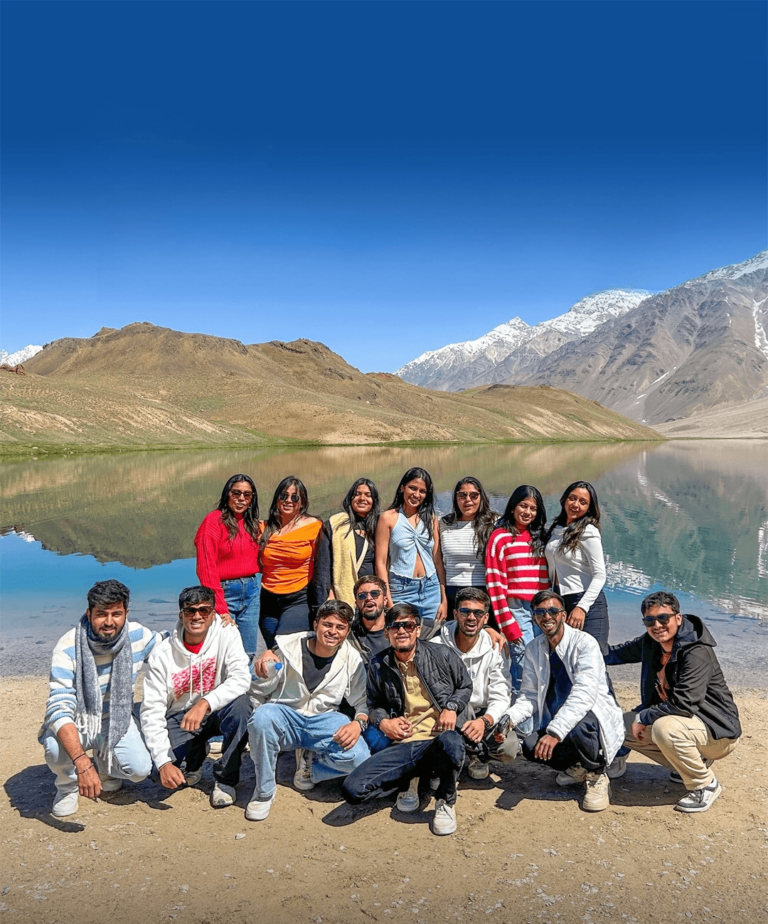
Chandratal Lake is often considered one of the highlights associated with the Hampta Pass Trek. Situated at an altitude of approximately 14,100 feet, the lake attracts photographers, campers, and nature enthusiasts from around the world. The clear waters reflect the surrounding mountains, creating stunning visual effects that look almost unreal.
Visitors often spend their time exploring the area, taking photographs, enjoying nature walks, and
stargazing after sunset. On clear nights, the sky above Chandratal is filled with countless stars, making it one of the best places in Himachal Pradesh for astrophotography and night-sky observation.
Flora and Fauna Along the Trail
One of the most fascinating aspects of the Hampta Pass Trek is the incredible variety of plant and animal life found along the route. Trekkers pass through dense pine forests, birch groves, rhododendron-covered slopes, and colorful alpine meadows filled with Himalayan wildflowers.
As the landscape changes from Kullu to Lahaul, the ecosystem also transforms dramatically. Bird watchers may spot Himalayan eagles, snow pigeons, and various mountain birds, while lucky trekkers might encounter marmots and mountain goats in the higher regions. This rich biodiversity adds another layer of excitement to the journey.
How Difficult Is Hampta Pass Trek?
The Hampta Pass Trek is generally classified as an easy-to-moderate trek, making it an excellent choice for beginners who want to experience a high-altitude Himalayan adventure. While prior trekking experience is not mandatory, participants should have a reasonable level of fitness.
Trekkers should be comfortable walking for five to seven hours a day, handling gradual ascents, and carrying a light backpack. Preparing with regular walking, jogging, cycling, or stair climbing for a few weeks before the trek can significantly improve endurance and overall comfort during the journey.
Essential Packing List
Packing correctly can greatly enhance your trekking experience. Since weather conditions in the Himalayas can change rapidly, carrying multiple layers of clothing is essential. Trekkers should bring thermal wear, fleece jackets, insulated down jackets, waterproof outer layers, trekking pants, and warm socks.
A good pair of waterproof trekking shoes is crucial for navigating rocky trails, stream crossings, and occasional snow patches. Other important items include sunglasses, sunscreen, trekking poles, a reusable water bottle, a headlamp, personal medications, a first-aid kit, energy snacks, and a power bank. Being well-prepared ensures a safe and comfortable trekking experience.
Weather Conditions on Hampta Pass Trek
Weather on the Hampta Pass Trek can be unpredictable, which is typical for high-altitude Himalayan regions. During the trekking season, daytime temperatures generally range between 12°C and 20°C, making the weather pleasant for walking. However, nighttime temperatures can drop significantly, sometimes reaching close to freezing, especially at higher campsites.
July and August also bring occasional rainfall due to the monsoon season, making waterproof clothing and rain protection essential. Trekkers should always stay updated on weather forecasts and follow the guidance of trek leaders for safety.
Photography Opportunities
The Hampta Pass Trek offers endless opportunities for photography enthusiasts. Every section of the trail presents a different visual experience, from dense forests and alpine meadows to snow-covered mountains and barren valleys.
Popular photography locations include the forests near Jobra, the scenic meadows of Chika, the river landscapes of Balu Ka Ghera, the panoramic summit views from Hampta Pass, the rugged beauty of Chatru, and the magical reflections at Chandratal Lake. Whether you are using a professional camera or a smartphone, the trek provides countless memorable shots.
Responsible Trekking Tips
As the popularity of the Hampta Pass Trek continues to grow, responsible tourism has become increasingly important. Trekkers should minimize their environmental impact by carrying reusable water bottles, avoiding single-use plastics, and disposing of waste responsibly. Staying on designated trails helps protect fragile ecosystems, while respecting local customs and traditions ensures positive interactions with mountain communities.
Wildlife should be observed from a distance without disturbance, and campsites should always be left clean. Practicing responsible trekking helps preserve the natural beauty of the Himalayas for future generations.
Nearby Attractions
Many travelers combine the Hampta Pass Trek with visits to other popular destinations in Himachal Pradesh. After completing the trek, visitors often explore Manali, known for its vibrant atmosphere, adventure sports, and mountain views.
Solang Valley offers activities such as paragliding and ziplining, while the Atal Tunnel provides access to the stunning landscapes of Lahaul. Destinations such as Sissu, Keylong, and Chandratal Lake further enhance the experience, allowing travelers to discover even more of the region’s natural beauty and cultural heritage.
Trekking in Uttarakhand packages you can book
Related Blogs
Read All ›