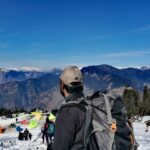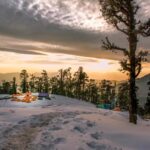
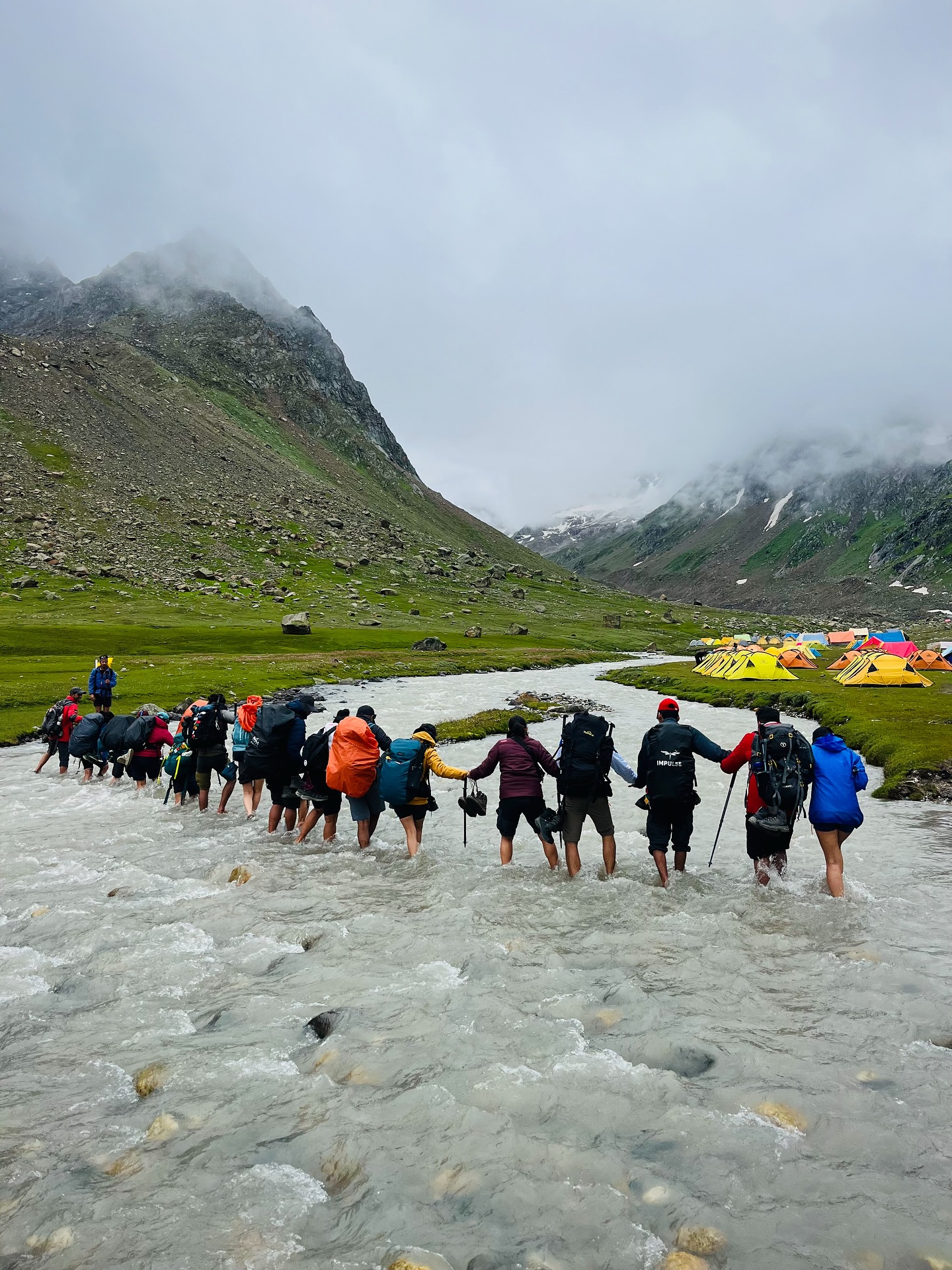
If you’ve been dreaming of snow-capped mountains, lush green valleys, and dramatic landscapes—all in one trip—then the Hampta Pass trek might be exactly what you’re looking for. It’s one of those rare Himalayan treks where you get to witness a complete change in scenery within just a few days.
Starting from the lush valleys near Manali and crossing over to the barren landscapes of Spiti Valley, the journey feels like stepping into two completely different worlds. Whether you’re a beginner or someone looking for a short yet rewarding trek, Hampta Pass offers a perfect balance of adventure and accessibility.
Why Choose Hampta Pass Trek?
The biggest reason why Hampta Pass is so popular is its incredible diversity. Unlike many treks that stick to one type of landscape, this trek takes you through thick forests, green meadows, river crossings, rocky terrain, and finally into a cold desert. Within just a few days, you experience a dramatic transformation that few treks can offer.
Another reason travelers love this trek is that it is beginner-friendly. Even if you have no prior trekking experience, you can still complete it with basic preparation and determination. The trek is also relatively short, making it ideal for people who want a quick Himalayan escape without committing to a long expedition.
Additionally, the trek offers the chance to visit the stunning Chandratal Lake, which adds even more beauty to the journey. Its accessibility from Manali also makes planning easier compared to remote treks.
Best Time to Visit Hampta Pass
The best time to visit Hampta Pass is between June and September, when the route is open and safe for trekking. Each month offers a slightly different experience, which makes the trek unique depending on when you go.
In June and early July, you’ll find snow-covered trails, especially near the pass, which makes the trek more adventurous and visually stunning. As the season progresses into mid-July and August, the snow melts and the valleys turn lush green, filled with wildflowers and flowing streams. By September, the landscape becomes more golden and dry, with clear skies and fewer crowds, making it perfect for photographers and those seeking a quieter experience.
Planning your trek outside this window is not advisable, as heavy snowfall during winters blocks the route completely.
Hampta Pass Trek Itinerary (5 Days)
The Hampta Pass trek is usually completed in five days, offering a well-paced journey that allows your body to adjust to the altitude while enjoying the scenery.
The journey begins with a drive from Manali to Jobra, which serves as the starting point of the trek. From Jobra, a short and scenic walk takes you to Chika, where you camp for the night surrounded by greenery and a flowing river.
On the second day, you trek from Chika to Balu Ka Ghera. This part of the trail introduces you to wider valleys, river crossings, and more dramatic mountain views. It’s a gradual ascent that helps your body acclimatize.
The third day is the most exciting and challenging, as you cross the Hampta Pass itself. Standing at around 14,000 feet, the pass offers breathtaking views of both the Kullu Valley and Spiti Valley. After crossing, you descend to Shea Goru, where the landscape starts to shift.
On the fourth day, the trek continues from Shea Goru to Chatru. Here, you’ll notice a complete transformation into the barren and rugged terrain of Spiti Valley, which feels like a different world altogether.
Finally, on the fifth day, you drive from Chatru back to Manali, with a possible visit to Chandratal Lake if weather conditions allow.
Hampta Pass Trek Difficulty Level
The Hampta Pass trek is considered easy to moderate, which makes it accessible for beginners as well as enjoyable for experienced trekkers. The trails are not technically difficult, but the altitude and changing weather conditions can pose a challenge.
With a bit of preparation, most people can complete the trek comfortably. It’s recommended to start preparing at least a few weeks in advance by walking or jogging regularly, climbing stairs, and doing light strength exercises. Building stamina is more important than speed when it comes to trekking.
The key to completing the trek successfully is to walk at a steady pace, stay hydrated, and listen to your body.
Hampta Pass Trek Cost
The cost of the Hampta Pass trek depends on whether you choose to go with a trekking organization or plan it independently. Most people prefer going with a group, as it simplifies logistics and ensures safety.
If you book through a trekking company, the cost usually ranges between ₹6,000 and ₹12,000 per person. This typically includes accommodation in tents, meals during the trek, guides, support staff, and necessary permits.
For those planning a solo trek, the cost can be lower, around ₹3,000 to ₹6,000, but you’ll need to arrange your own gear, permits, and food. While this option is more budget-friendly, it requires experience and careful planning.
How to Reach Hampta Pass Base Camp
Reaching the base of the Hampta Pass trek is relatively easy, thanks to its proximity to Manali. The nearest airport is Bhuntar Airport, located near Kullu, from where you can take a taxi to Manali.
If you prefer traveling by road, there are regular buses from major cities like Delhi and Chandigarh to Manali, making it a convenient option for most travelers. Although there is a railway station at Joginder Nagar, it is not very well connected, so road travel is usually the best choice.
Once you reach Manali, you can arrange transport to Jobra, which is the starting point of the trek.
What to Pack for Hampta Pass Trek
Packing wisely is essential for a comfortable trekking experience. Since the weather in the mountains can change quickly, it’s important to carry clothing that can handle different conditions.
You should pack warm layers, including thermal wear, jackets, and gloves, as temperatures can drop significantly, especially at night. A waterproof jacket is also important in case of rain. Good-quality trekking shoes with a strong grip are a must, as the trails can be slippery.
Other essentials include a backpack, water bottles, energy snacks, sunscreen, sunglasses, and a power bank. While it might be tempting to carry extra items, it’s best to pack light and focus only on what you truly need.
Permits Required for Hampta Pass
Trekking in the Hampta Pass region requires permits, as it falls under protected forest areas. If you are trekking with an organization, these permits are usually arranged for you.
However, if you’re planning to go solo, you’ll need to obtain permits from the forest office in Manali. It’s important to carry valid ID proof and keep a few passport-size photographs handy for the process.
Food & Accommodation During Trek
During the Hampta Pass trek, accommodation is mainly in tents set up at designated campsites. These camps are usually located in scenic areas, offering beautiful views of the surrounding mountains and valleys.
Food provided during the trek is simple, nutritious, and designed to keep your energy levels high. Meals generally include breakfast, packed lunch during the trek, and a warm dinner at the campsite. While the menu may not be elaborate, it is sufficient and comforting after a long day of trekking.
Important Travel Tips
A few simple tips can make your Hampta Pass trek much smoother and more enjoyable. Starting your trek early each day helps you avoid weather changes and gives you enough time to reach your campsite comfortably. Staying hydrated is crucial, as it helps prevent altitude sickness and keeps your energy levels up.
It’s also important to maintain a steady pace instead of rushing, as this allows your body to adjust to the altitude. Respecting nature by not littering and following eco-friendly practices ensures that the beauty of the region is preserved for future travelers.
Since network connectivity is limited in the mountains, it’s a good idea to inform your family or friends about your travel plans in advance.
Hampta Pass vs Other Treks
When compared to other popular treks, Hampta Pass stands out because of its diversity and accessibility. Unlike Kedarkantha, which is more focused on winter snow trekking, Hampta Pass offers a mix of greenery, snow, and desert landscapes. Compared to Triund, which is shorter and easier, Hampta Pass provides a more immersive and adventurous experience.
Even when compared to treks like Valley of Flowers, which are known for their beauty, Hampta Pass offers a wider range of terrains and experiences within a short duration.
Internal Resources for More Travel Planning
If you’re planning more trips like this, you can explore detailed travel guides and itineraries on Chalotravellers.com. You can also check out their Himalayan trek section at https://chalotravellers.com/himalayan-treks for more inspiration and practical travel tips.
Final Thoughts on Hampta Pass
The Hampta Pass trek is one of those rare journeys that combines adventure, beauty, and accessibility in the perfect way. From walking through lush green valleys to crossing a high-altitude mountain pass and entering the stark landscapes of Spiti, every moment feels unique and memorable.
Whether you’re planning your first trek or looking for a short Himalayan escape, Hampta Pass is an excellent choice. With the right preparation and mindset, it can easily become one of the most rewarding experiences of your life.