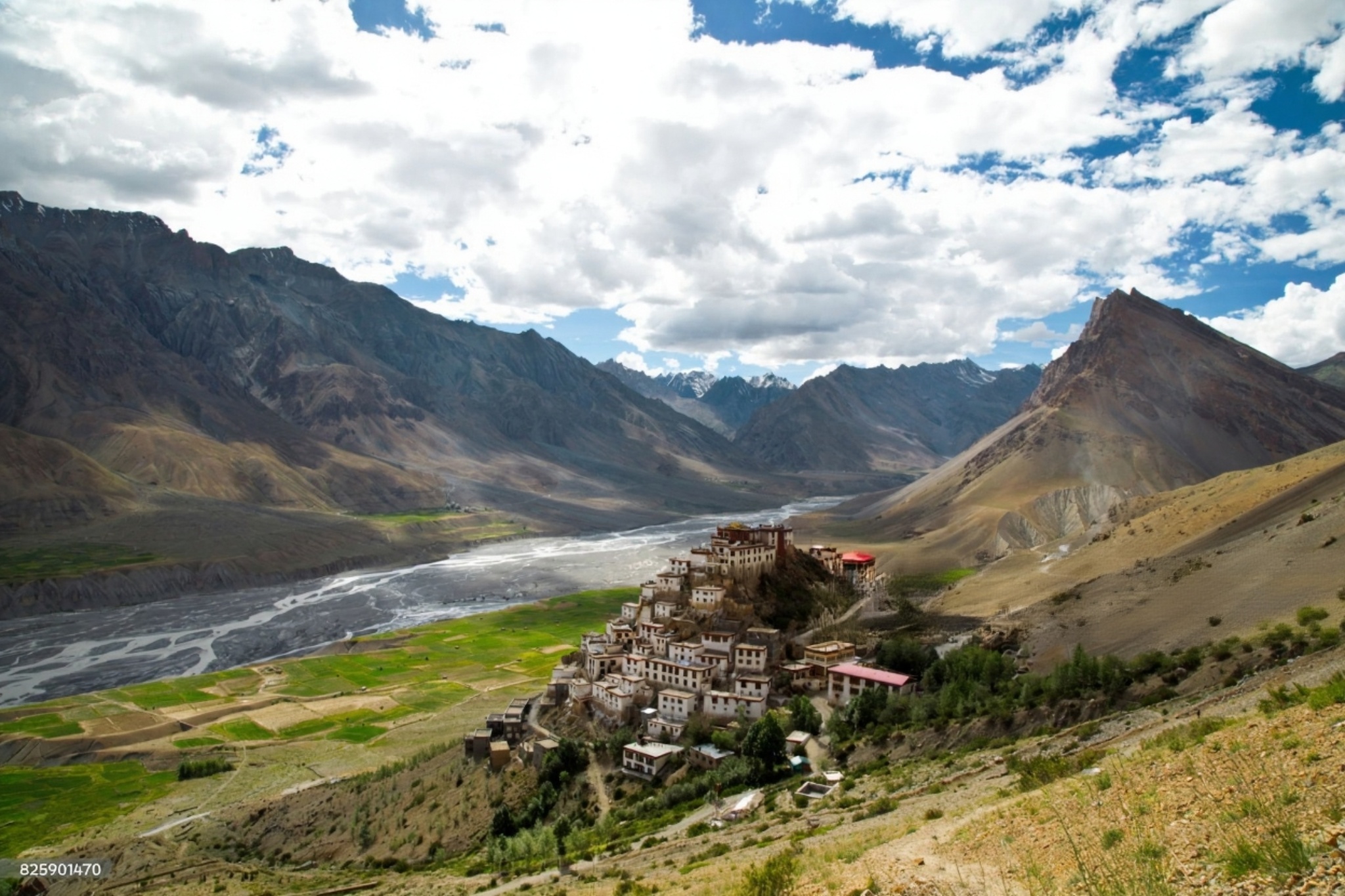
Discovering the Hidden Gem of Spiti Valley: A Traveler’s Paradise is a journey into one of India’s most captivating destinations. Tucked in the high-altitude desert of Himachal Pradesh, Spiti Valley is an untouched haven known for its rugged landscapes, ancient monasteries, and unique Tibetan culture. For travelers seeking solitude, adventure, and a connection with nature, Spiti offers an unparalleled experience. From its tranquil villages to the awe-inspiring vistas of Chandratal Lake and Key Monastery, this hidden gem of the Himalayas is nothing short of a traveler’s paradise.
From the spiritual solace of Key Monastery to the surreal beauty of Chandratal Lake, Spiti Valley consistently offers unique experiences at every turn. Often referred to as “Little Tibet,“ the region proudly boasts a rich Tibetan heritage that is deeply woven into its culture, art, and everyday life. Moreover, travelers are drawn here not only for the awe-inspiring landscapes but also for the serenity and sense of adventure it promises.
To make the most of your trip, plan your visit during summer, when the valley comes alive with vibrant villages and lush greenery. Alternatively, if you’re seeking a more challenging experience, consider a winter trip to witness its snow-draped charm and pristine silence. Regardless of the season, Spiti Valley stands out as one of India’s most enchanting hidden gems, offering an unforgettable escape into the heart of both nature and culture.
“Why Spiti Valley is a Hidden Gem for Travelers”,
Spiti Valley is more than just a destination; it’s an experience that combines natural beauty, rich culture, and unparalleled tranquility. Here are a few highlights that make Spiti a must-visit:
- Mesmerizing Landscapes: Picture rugged mountains, pristine rivers, and high-altitude desert plains. The stark beauty of Spiti’s terrain is both humbling and inspiring.
- Cultural Richness: Ancient monasteries like Key Monastery and Tabo Monastery are treasure troves of Tibetan culture and spirituality.
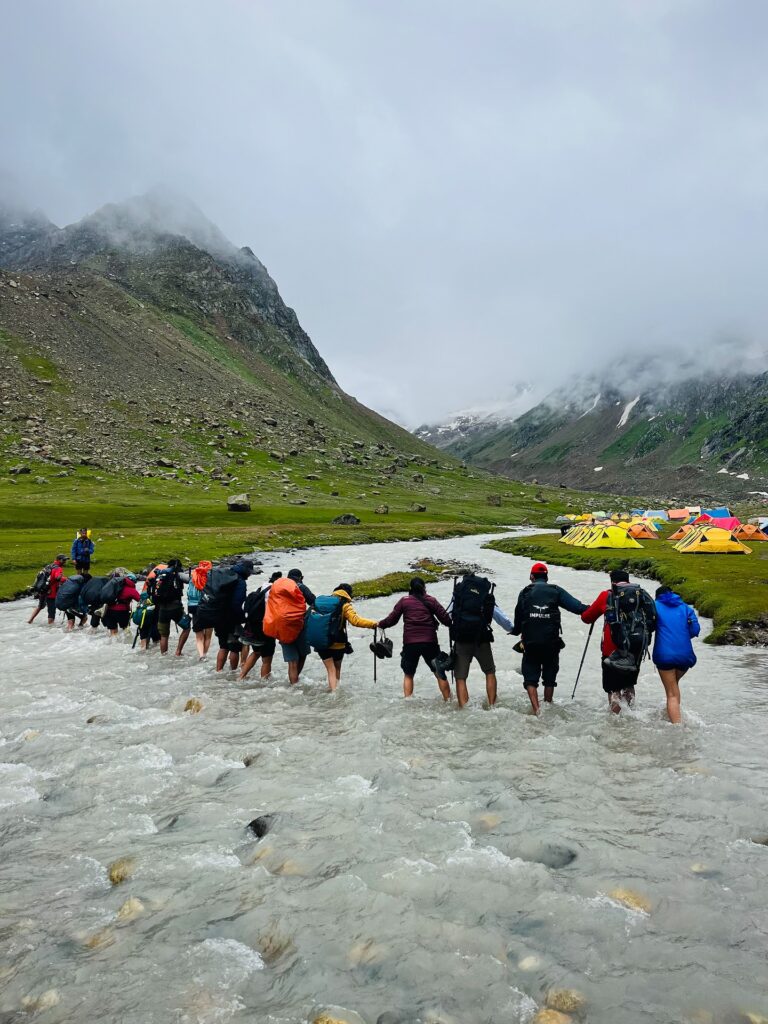
- Adventure Galore: Trekking, mountain biking, and river rafting are some activities for thrill-seekers.
- Starry Nights: Spiti’s high altitude and lack of pollution make it one of the best places for stargazing.
Best Time to Visit the Hidden Gem of Spiti Valley
The best time to visit Spiti Valley depends on your preferences:
- Summer (May to September): The roads open, making this the most accessible season. Temperatures range from 15°C to 20°C, ideal for sightseeing and outdoor activities.
- Winter (October to April): For those who dare, winter offers snow-covered landscapes and a chance to experience the frozen beauty of Spiti. However, be prepared for temperatures dropping below -20°C and limited accessibility.
Top Attractions in Spiti Valley
1. Key Monastery: A Spiritual Center in Spiti Valley
Perched dramatically on a hilltop, Key Monastery stands as a 1,000-year-old masterpiece of Tibetan Buddhist architecture. Known locally as Kye Gompa, this iconic monastery is not just a spiritual haven for monks but also a hub for cultural learning and community life. Its strategic location offers sweeping views of the Spiti River Valley, which add to its serene and mystical aura.
Visitors to Key Monastery are often struck by its labyrinthine corridors, small cells for monks, and intricately painted murals that tell stories of Buddhism’s rich history. The monastery’s prayer halls, adorned with ancient Thangka paintings and rare manuscripts, provide a glimpse into its religious and artistic significance. You can also witness monks performing daily rituals, chanting prayers, and spreading spiritual teachings.
2. Chandratal Lake: The Enchanting Moon Lake
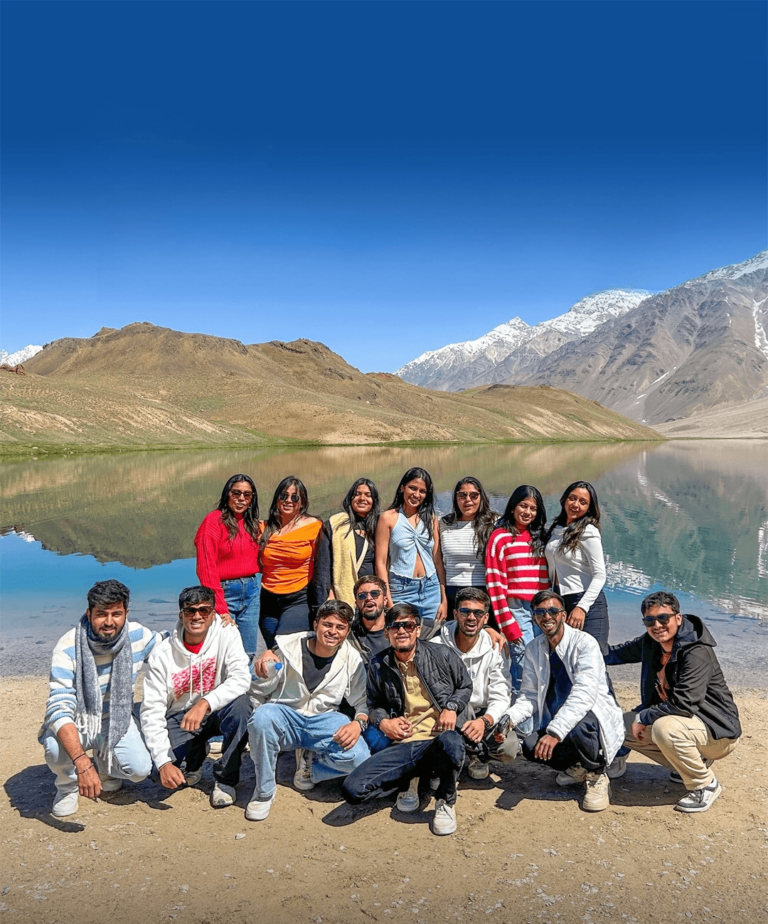
Chandratal Lake, often referred to as the “Moon Lake,” is one of the most breathtaking natural wonders in Spiti Valley. This crescent-shaped lake sits at an elevation of 4,300 meters and is a dream destination for trekkers, photographers, and nature enthusiasts. The lake\u2019s turquoise waters shimmer under the clear blue sky, reflecting the surrounding rugged mountains in a surreal spectacle.
The name Chandratal, which translates to “Lake of the Moon,” originates from its crescent shape. As you approach the lake, the changing hues of the water\u2014from deep blue to emerald green\u2014create a magical effect that leaves visitors spellbound. The calmness of the lake and the untouched beauty of its surroundings make it a perfect spot for meditation and introspection.
3. Tabo Monastery: The Ajanta of the Himalayas
Renowned as the “Ajanta of the Himalayas,” Tabo Monastery is a treasure trove of history, art, and spirituality. Established in 996 CE, this monastery is one of the oldest in the Himalayas and holds immense significance in Tibetan Buddhism. Its ancient murals, stucco sculptures, and exquisite Thangka paintings are a testament to the region’s rich cultural heritage.
Notably, Tabo Monastery is unique because it has been continuously functional for over a millennium.. It houses nine beautifully adorned temples, several stupas, and an assembly hall. The murals inside these temples depict tales from Buddhist scriptures, showcasing the artistic brilliance of the 10th and 11th centuries. Visitors often marvel at the intricate craftsmanship, which has remarkably stood the test of time.
4. Pin Valley National Park: A Wildlife Enthusiast\u2019s Dream
Nestled within the Spiti Valley lies Pin Valley National Park, a pristine sanctuary known for its dramatic landscapes and unique biodiversity. Spanning an area of over 675 square kilometers, this park is a haven for rare and endangered wildlife species. From the elusive snow leopard to the Siberian ibex, Pin Valley is a paradise for nature lovers and wildlife photographers.
Pin Valley\u2019s rugged terrain is characterized by steep cliffs, deep gorges, and vibrant patches of greenery. The Pin River, after which the park is named, flows gracefully through the valley, adding to its scenic charm. The park is also home to various medicinal plants and vibrant alpine flora, which bloom during the summer months, painting the valley in vibrant colors.
5. : Kaza: The Gateway to Spiti Valley’s Hidden Wonders
Kaza, the largest town in Spiti Valley, serves as the administrative and cultural hub of the region. Nestled along the banks of the Spiti River, this vibrant town is the perfect base for travelers exploring the valley\u2019s treasures. With its lively markets, friendly locals, and proximity to key attractions, Kaza is a must-visit destination hidden wonders of Spiti Valley.
Kaza offers a unique blend of modern amenities and traditional charm. The town is divided into two parts: Old Kaza, which retains its traditional essence, and New Kaza, where you\u2019ll find guesthouses, cafes, and shops selling local handicrafts. The local market is a treasure trove of souvenirs, including woolen shawls, Tibetan artifacts, and handmade jewelry.
How to Reach Spiti Valley
By Road
- From Manali: The Manali-Spiti route via Rohtang Pass and Kunzum Pass is scenic but challenging. It is open from June to October.
- From Shimla: Open year-round, the Shimla route passes through picturesque locales like Kinnaur.
By Air
The nearest airport is Bhuntar Airport, approximately 245 km away. From there, you can hire a taxi or take a bus to reach Spiti.
By Train
The nearest railway station is in Kalka. From Kalka, a combination of buses and taxis can get you to Spiti.
Packing Essentials for Spiti Valley
- Warm clothing (even in summer)
- Comfortable trekking shoes
- Sunscreen and sunglasses
- First-aid kit
- Reusable water bottle
- Power banks and extra batteries
Travel Tips for Spiti Valley
- Acclimatize: Spiti’s high altitude can lead to acute mountain sickness. Allow time to adjust.
- Permits: For certain regions near the Indo-Tibetan border, permits are mandatory.
- Sustainable Travel: Respect the environment by minimizing waste and supporting local businesses.
- Connectivity: Internet and mobile networks are sparse. Be prepared for a digital detox.
Conclusion
Discovering the hidden gem of Spiti Valley is truly an adventure that promises memories to last a lifetime. With its pristine landscapes, rich cultural heritage, and profound sense of serenity, it stands out as a traveler’s paradise. Whether you’re an adrenaline junkie, a culture enthusiast, or someone seeking peace amidst nature, Spiti has something unique to offer.
Moreover, the valley’s untouched beauty and spiritual ambiance create a rare blend of thrill and tranquility. Therefore, planning a trip to this Himalayan wonder is not just a getaway—it’s a transformative journey. So, pack your bags and experience Spiti’s unmatched charm for yourself.
Related Blogs
Read All ›