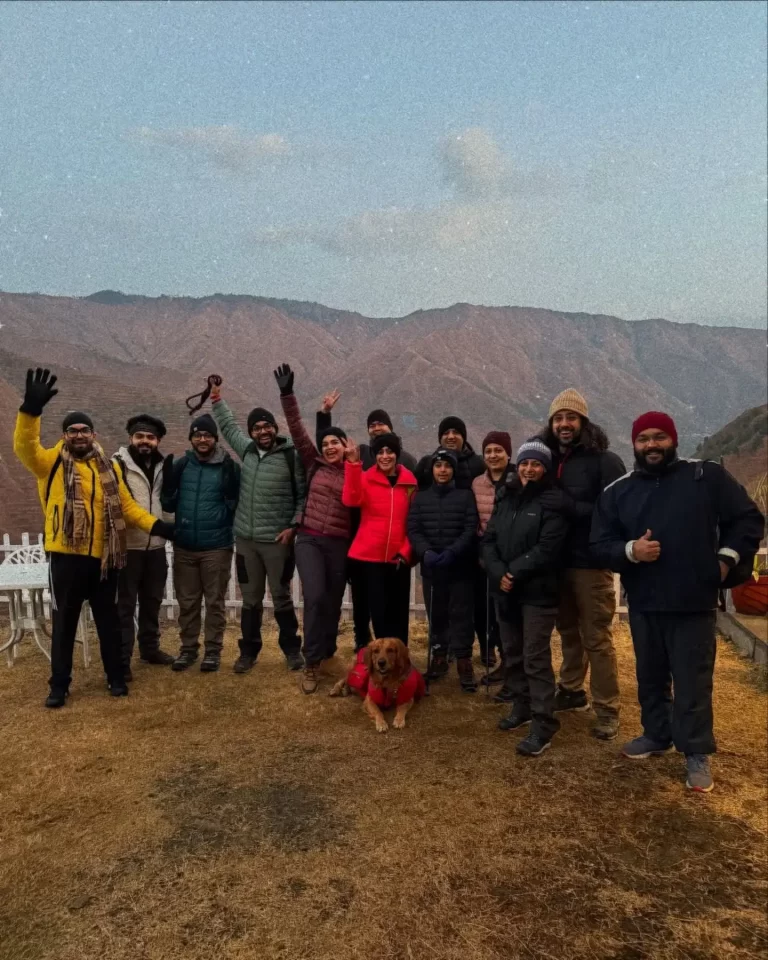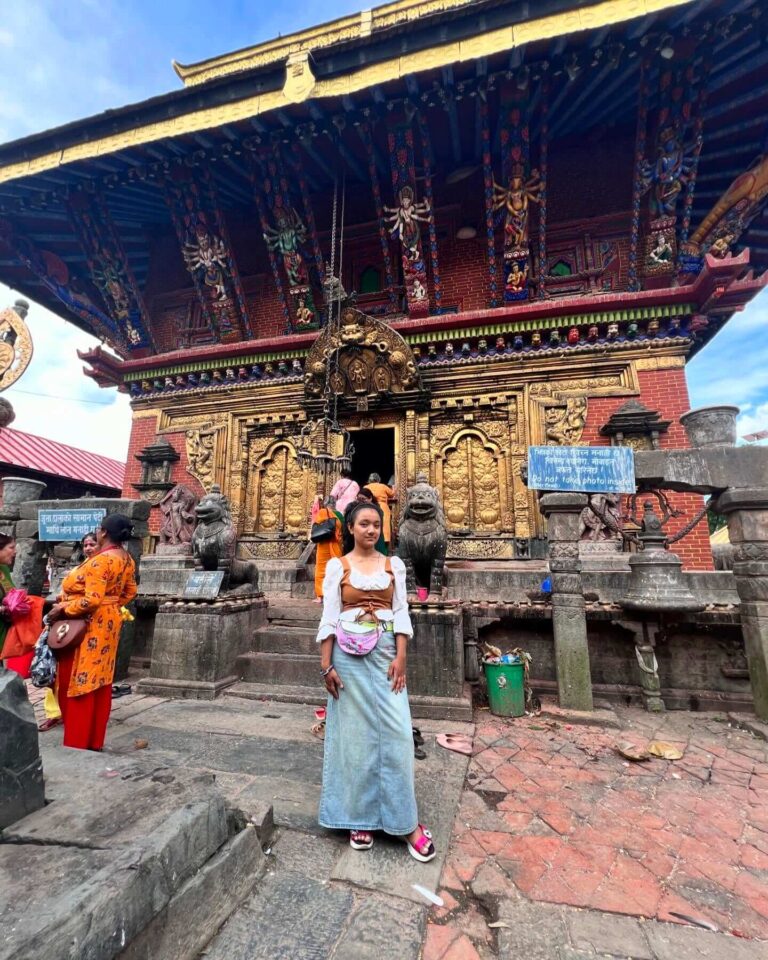
A Spiti Valley trip is not just another mountain vacation. It’s the kind of journey that stays with you long after you return home. Surrounded by barren mountains, ancient monasteries, winding roads, and peaceful villages, Spiti offers an experience that feels completely different from crowded hill stations.
Located in the cold desert region of Himachal Pradesh, Spiti Valley is known for its dramatic landscapes and adventurous roads. Whether you are planning a bike trip, road trip with friends, backpacking adventure, or a peaceful escape into the mountains, this destination has something unforgettable to offer.
Why Is Spiti Valley So Popular?
Spiti Valley has become one of India’s most loved mountain destinations because it combines adventure, spirituality, and raw natural beauty in one journey. Unlike green Himalayan destinations like Manali or Shimla, Spiti has a rugged desert-like landscape with dramatic mountains, deep valleys, and remote villages that feel untouched by modern city life.
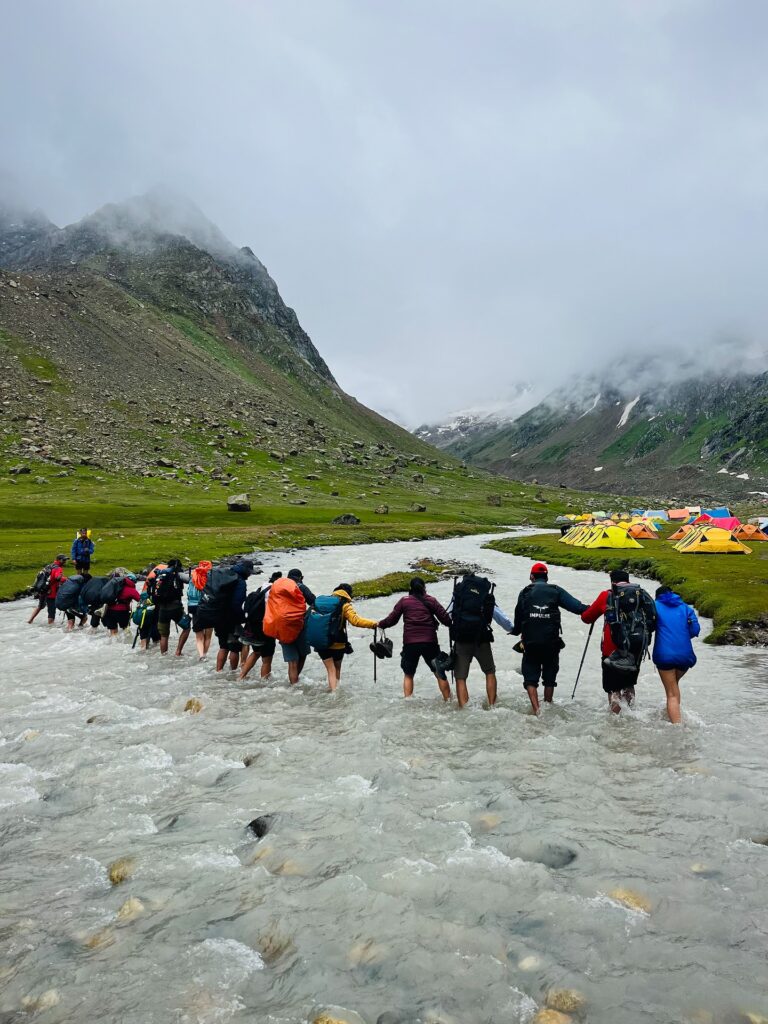
One of the biggest reasons travelers love a Spiti Valley trip is the unique road journey itself. The routes take you through high mountain passes, beautiful rivers, small villages, and ancient monasteries that are hundreds of years old. Every turn offers breathtaking scenery, making the journey equally exciting as the destination. Spiti is also famous among bikers, photographers, solo travelers, and adventure lovers because of its raw beauty and peaceful atmosphere.
Best Time for a Spiti Valley Trip
The best time for a Spiti Valley trip depends on the type of experience you want. Most travelers prefer visiting between May and July because the weather remains pleasant and the roads from both Manali and Shimla are generally open during this period. Day temperatures usually stay between 10°C and 25°C, making sightseeing and road trips comfortable. Summer is ideal for camping, bike trips, photography, and family vacations.
The monsoon season from August to September is also considered suitable by many travelers because Spiti lies in a cold desert region and receives very little rainfall. However, routes near Manali and Shimla may experience landslides or roadblocks during heavy rains, so it is important to check weather updates before starting your journey.
Winter in Spiti, from October to March, offers a completely different experience. Snow-covered landscapes, frozen rivers, and peaceful white mountains make the valley look magical. This season is perfect for travelers who want snowfall and winter photography, but temperatures can fall below -20°C in some villages, and several roads remain closed due to heavy snow.
How to Reach Spiti Valley
There are mainly two routes for reaching Spiti Valley, and both offer completely different experiences. The first and most preferred route is via Shimla. Travelers usually follow the route from Shimla through Narkanda, Kalpa, Nako, and Tabo before reaching Kaza. This route is considered safer for acclimatization because the altitude increases gradually, reducing the chances of altitude sickness. Road conditions on this side are also comparatively smoother.
The second route is from Manali through Rohtang Pass and Kunzum Pass. This route is shorter, more adventurous, and incredibly scenic, making it popular among bikers and adventure enthusiasts. However, the altitude rises very quickly, which may cause headaches or breathing discomfort for some travelers. The Manali route usually remains open from June to October, depending on snowfall conditions.
Ideal Spiti Valley Trip Itinerary
A properly planned itinerary makes a Spiti Valley trip much more enjoyable because the roads are long and mountain travel can be tiring. Most travelers begin their journey from Shimla to allow proper acclimatization. On the first day, travelers usually reach Shimla and rest before continuing towards the mountains.
The second day generally involves traveling from Shimla to Kalpa, where you can enjoy beautiful views of the Kinner Kailash range. On the third day, travelers continue towards Tabo, passing through scenic roads and remote mountain villages. Tabo is famous for its monastery and peaceful atmosphere.
On the fourth day, most travelers head towards Kaza, which is the main town of Spiti Valley and the center for exploring nearby attractions. The fifth day is usually dedicated to sightseeing around Kaza, including famous villages like Langza, Hikkim, and Komic, along with the beautiful Key Monastery.
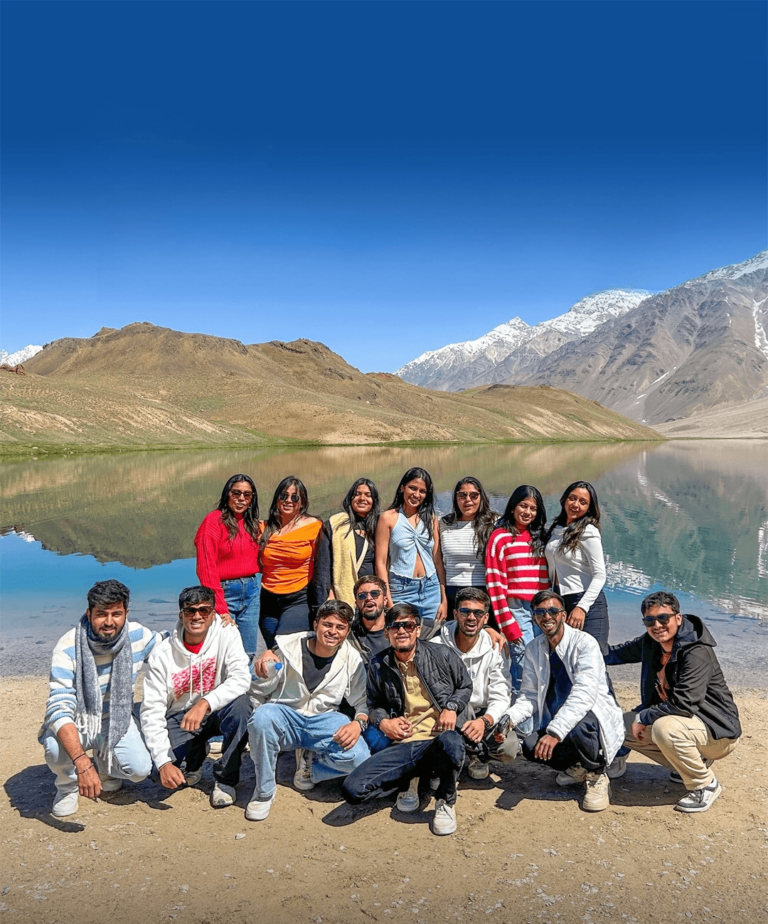
The sixth day is often reserved for visiting the stunning Chandratal Lake, where travelers enjoy camping under the stars. On the seventh day, travelers generally return to Manali through Kunzum Pass, completing one of the most scenic circuits in the Himalayas.
Top Places to Visit in Spiti Valley
One of the most famous attractions in Spiti is Key Monastery. Built on top of a hill, this monastery offers breathtaking panoramic views of the valley and remains one of the oldest Tibetan Buddhist monasteries in the region. The peaceful atmosphere and traditional architecture make it a must-visit place during any Spiti Valley trip.

Another unforgettable destination is Chandratal Lake, often called the Moon Lake because of its crescent shape. Surrounded by massive mountains and crystal-clear water, Chandratal is one of the most beautiful high-altitude lakes in India. Camping near the lake under a sky full of stars becomes a memorable experience for most travelers.
Villages like Hikkim, Komic, and Langza are also extremely popular among travelers. Hikkim is famous for having one of the world’s highest post offices, while Komic is known as one of the highest motorable villages in the world. Langza attracts visitors with its giant Buddha statue and fossil-rich landscape.
Budget for a Spiti Valley Trip
The budget for a Spiti Valley trip depends on your travel style, transportation, and accommodation choices. Backpackers usually spend around ₹12,000 to ₹18,000 per person for a week-long trip by using shared transport, budget hotels, hostels, and local eateries. This option is popular among college students and solo travelers.
Travelers looking for a more comfortable experience generally spend between ₹20,000 and ₹35,000 per person. This includes private taxis or rented bikes, comfortable stays, camps near Chandratal, and better dining options. Luxury travelers who prefer premium hotels, private SUVs, and customized experiences may spend ₹40,000 or more per person depending on the duration and travel preferences.
Fuel expenses can increase the overall budget significantly if you are traveling by your personal vehicle, especially for long road trips from cities like Delhi or Chandigarh.
Accommodation Options in Spiti
Spiti Valley offers many accommodation options for all kinds of travelers. From budget hostels and cozy homestays to camps and luxury mountain stays, you can easily find places according to your budget. Homestays are highly recommended because they allow travelers to experience local culture, homemade food, and traditional mountain hospitality more closely.
Most travelers choose to stay in places like Kaza, Tabo, Kalpa, Chandratal, and Langza because these locations provide good connectivity and easy access to nearby attractions. During peak summer months, advance booking is recommended because accommodations can fill up quickly.
Food in Spiti Valley
Food in Spiti Valley is simple, warm, and comforting. Local dishes such as thukpa, momos, Tibetan bread, and butter tea are commonly available in villages and cafes. These meals are perfect for the cold mountain weather and give travelers a taste of local Himalayan cuisine.
In Kaza, travelers can also enjoy cafes serving pizza, pancakes, pasta, sandwiches, and coffee. Since remote villages may have limited food options, carrying snacks, chocolates, and dry fruits is always a good idea during your Spiti Valley trip.
Important Travel Tips for Spiti Valley
Planning carefully is important before visiting Spiti because the region is remote and located at a high altitude. Carrying warm clothes is necessary even during summer because nights can become extremely cold. Travelers should also keep medicines for altitude sickness, headaches, and motion sickness because long mountain journeys may sometimes cause discomfort.
It is advisable to carry enough cash because ATM availability is limited in remote areas. Mobile network connectivity is also weak in several villages, although BSNL and Jio work in some locations. Travelers should avoid rushing during the journey and take proper breaks to acclimatize comfortably.
Driving in Spiti requires patience and careful attention because roads can be narrow, rocky, and challenging, especially near Kunzum Pass and remote villages. Avoid night driving whenever possible.
Is Spiti Valley Safe for Travelers?
Yes, Spiti Valley is considered safe for solo travelers, couples, families, and bikers. The local people are friendly, respectful, and helpful toward tourists. However, travelers should always stay informed about weather conditions because sudden snowfall or landslides can affect travel plans.
Following basic precautions like driving carefully, staying hydrated, avoiding risky routes during bad weather, and acclimatizing properly is usually enough to ensure a safe and enjoyable trip.
Spiti Valley Trip for Bike Lovers
For bikers, a Spiti Valley trip is often considered one of the best road trip experiences in India. Riding through high mountain passes, river crossings, gravel roads, and remote villages creates an unmatched sense of adventure. Popular bikes for this route include the Royal Enfield Himalayan, Classic 350, and KTM Adventure series.
Many travelers rent bikes from Manali or Delhi before starting the journey. Although the trip is physically demanding, the stunning mountain scenery and thrilling roads make the experience unforgettable.
Internal Links
For more travel inspiration and Himalayan tour packages, explore:
Conclusion
A Spiti Valley trip is one of the most unforgettable journeys you can experience in India. From ancient monasteries and peaceful villages to thrilling mountain roads and breathtaking lakes, every moment in Spiti feels special. The valley offers a perfect mix of adventure, spirituality, and natural beauty that attracts travelers from all over the country.
What makes Spiti truly unique is its calm and untouched atmosphere. Life moves slowly here, allowing travelers to disconnect from busy city life and reconnect with nature. Whether you are traveling with friends, family, or solo, Spiti Valley promises memories that will stay with you forever.
Related Blogs
Read All ›