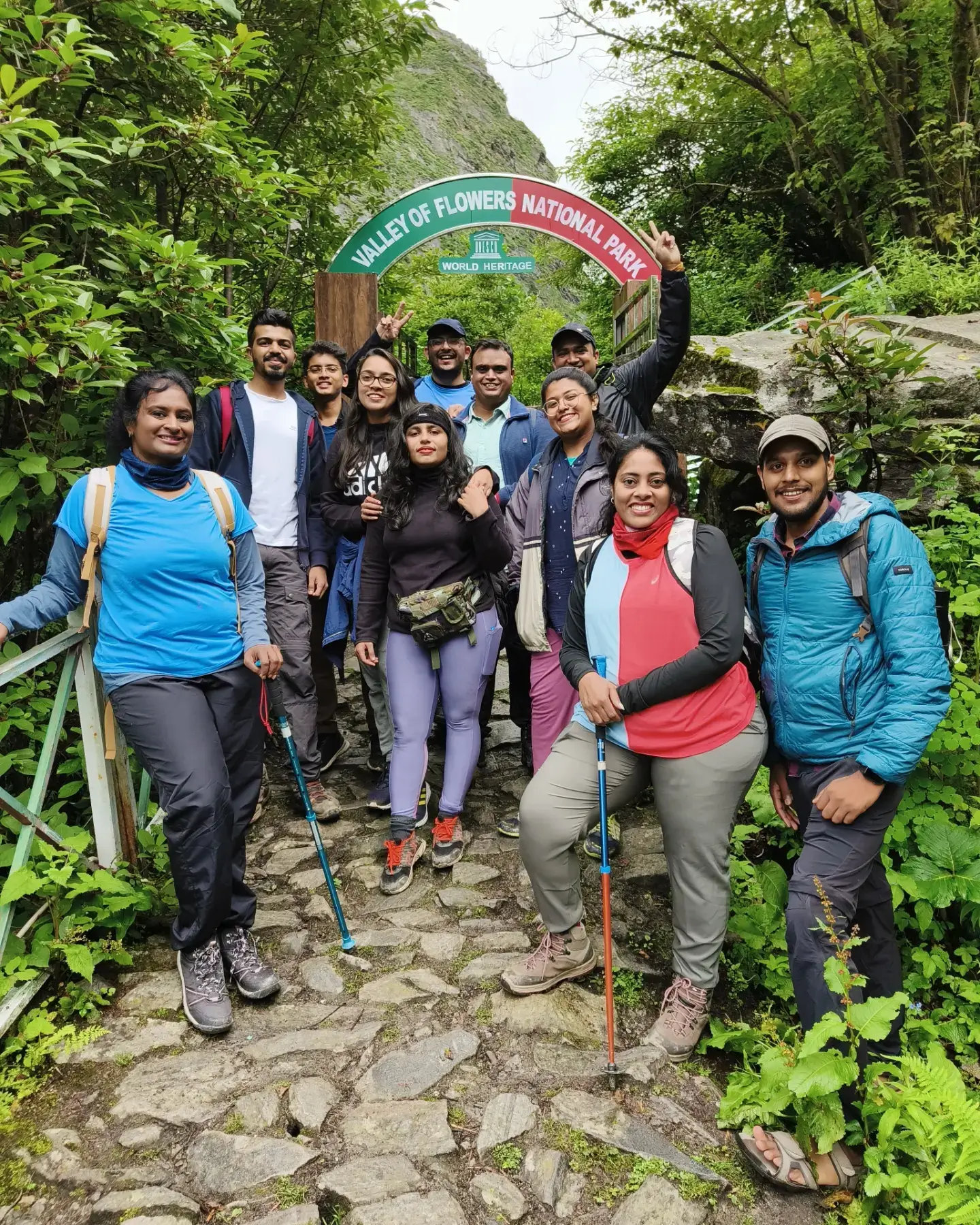
A UNESCO World Heritage Site Rich in Biodiversity
One of the most fascinating aspects of the Valley of Flowers is its ecological importance. The valley is home to more than 500 species of alpine flowers and several rare medicinal plants that thrive in the Himalayan ecosystem. As you walk through the valley, you can spot beautiful flowers such as Blue Poppy, Cobra Lily, Himalayan Bellflower, Primulas, Marsh Marigold, and Himalayan Geranium blooming across the meadows.
The region is not just famous for its flowers; it is also an important habitat for wildlife. Animals such as the Himalayan Black Bear, Musk Deer, Red Fox, and the rare Snow Leopard inhabit this region, while birdwatchers can often spot the colorful Himalayan Monal. This incredible biodiversity is one of the major reasons why Valley of Flowers is one of India’s most beautiful treks for nature enthusiasts and researchers alike.
How to Reach Valley of Flowers
Understanding how to reach Valley of Flowers is essential for planning a smooth trip. The nearest airport is Jolly Grant Airport in Dehradun, located approximately 295 kilometers from Govindghat, which serves as the starting point of the trek. Travelers arriving by train can reach Rishikesh Railway Station, the closest railhead connected to major Indian cities. From Rishikesh, Haridwar, or Dehradun, regular buses and shared taxis are available for Govindghat.
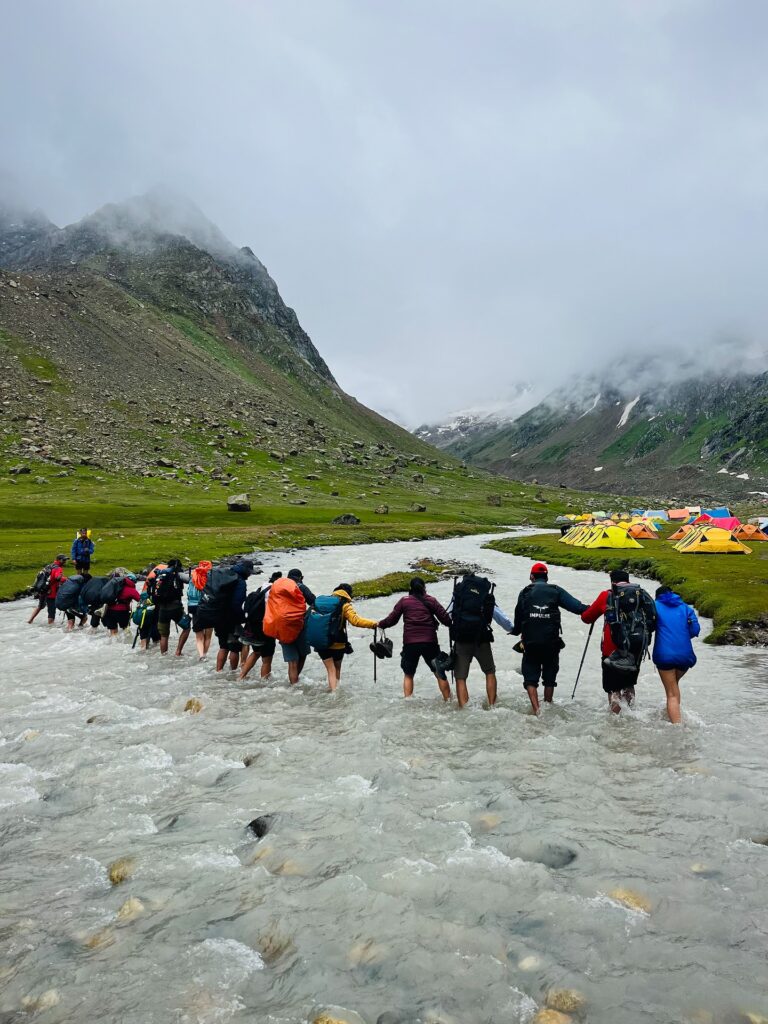
After reaching Govindghat, trekkers begin their journey towards Ghangaria, the base camp for Valley of Flowers and Hemkund Sahib. The trekking route generally follows Govindghat, Pulna, Ghangaria, and finally the Valley of Flowers. The entire trek covers around 17 kilometers one way and passes through scenic mountain landscapes, rivers, and forests.
Trek Difficulty Level
One of the reasons behind the popularity of the Valley of Flowers trek is that it is suitable for beginners as well as experienced trekkers. The trail is considered moderate in difficulty and does not involve technical climbing or mountaineering skills. However, trekkers should maintain basic fitness levels and be prepared for long walking hours.
Wearing comfortable trekking shoes, carrying rain protection, and staying hydrated throughout the journey are highly recommended. Since the trail is well-marked and frequently visited during the season, it is considered one of the safest Himalayan treks for first-time adventurers.
What Makes This Trek Different from Other Himalayan Treks?
India is home to many spectacular Himalayan treks, but the Valley of Flowers offers an experience unlike any other. While many treks focus on reaching high-altitude summits or crossing mountain passes, this trek is all about witnessing nature in its most colorful form. The valley’s endless carpets of blooming flowers, combined with its UNESCO World Heritage status and rich biodiversity, make it unique.
It is also one of the few Himalayan treks that can be comfortably completed by beginners. In addition to its natural beauty, the nearby pilgrimage site of Hemkund Sahib adds a spiritual element to the journey. This combination of nature, photography opportunities, wildlife, and spirituality clearly explains why Valley of Flowers is one of India’s most beautiful treks and remains a dream destination for travelers.
Essential Travel Tips for Valley of Flowers Trek
Planning ahead can make your Valley of Flowers experience much more enjoyable. Since the flowering season coincides with the monsoon months, carrying a waterproof jacket, poncho, and backpack cover is extremely important. Starting your trek early in the morning helps you enjoy clearer mountain views and better weather conditions. Good-quality trekking shoes with strong grip are essential because the trail can become slippery due to rain.
Travelers should respect the fragile ecosystem by avoiding littering and never plucking flowers from the valley. Carrying sufficient drinking water, energy bars, and snacks is also advisable, especially during long trekking hours. Following these simple tips can help ensure a comfortable and memorable trekking experience.
Photography Opportunities
For photography lovers, the Valley of Flowers is a true paradise. The valley offers countless opportunities to capture colorful alpine flowers, breathtaking mountain landscapes, flowing waterfalls, mist-covered meadows, and unique Himalayan wildlife. During the blooming season, every section of the trail presents a different combination of colors and scenery.
The nearby Hemkund Sahib Lake also provides stunning reflections of surrounding mountains, making it a favorite spot for photographers. The constantly changing weather conditions create dramatic lighting effects throughout the day, allowing photographers to capture unique and unforgettable images.
Accommodation Options
Most visitors stay in Ghangaria, which serves as the base camp for both Valley of Flowers and Hemkund Sahib. Despite being a small settlement, Ghangaria offers a variety of accommodation options suitable for different budgets. Travelers can choose from budget guesthouses, comfortable hotels, homestays, and government-operated GMVN guest houses.
During the peak flowering season in July and August, accommodation fills up quickly due to the high number of visitors. Therefore, it is always advisable to book your stay in advance to avoid last-minute inconvenience and secure the best available options.
Conclusion
If you are searching for a trek that perfectly combines natural beauty, biodiversity, spirituality, and accessibility, the Valley of Flowers deserves a top spot on your travel bucket list. From vibrant wildflower meadows and stunning Himalayan views to the peaceful atmosphere of Hemkund Sahib, every moment of this journey feels magical. The trek offers much more than just adventure—it provides an opportunity to connect with nature in its purest form. This is exactly why Valley of Flowers is one of India’s most beautiful treks and continues to attract travelers, photographers, and nature lovers from around the world. Whether it is your first Himalayan trek or your tenth, the Valley of Flowers promises memories that will stay with you for a lifetime.
Trekking in Uttarakhand packages you can book
Related Blogs
Read All ›