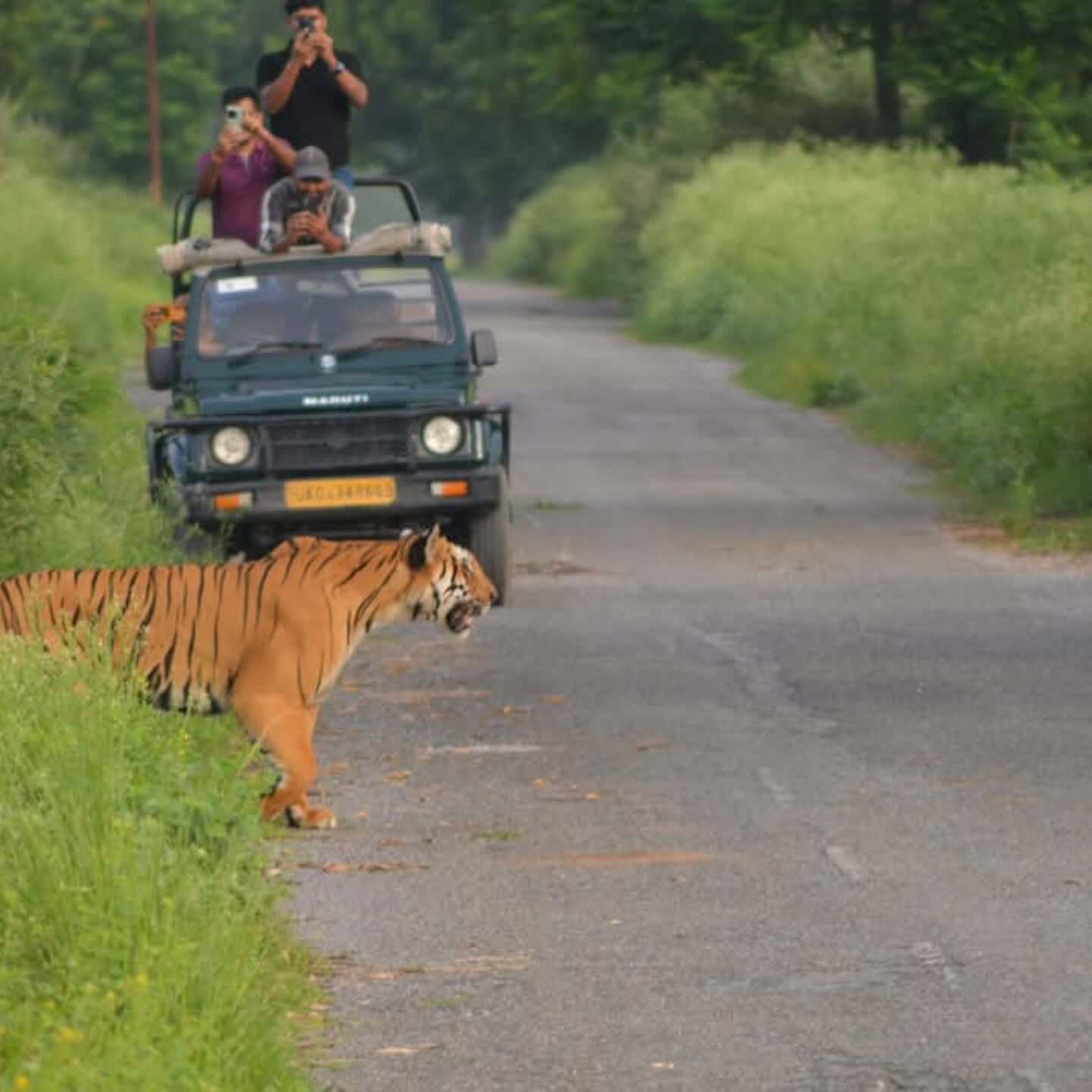
If you’ve ever imagined spotting a Royal Bengal tiger in the wild, hearing birds chirp at sunrise, and driving through misty forest roads, then Jim Corbett National Park should definitely be on your travel bucket list. Located in the beautiful state of Uttarakhand, this park is India’s oldest national park and one of the most famous wildlife destinations in the country.
Whether you’re planning a quick weekend escape from Delhi or a proper wildlife vacation with family, this guide will help you plan your trip in the simplest way possible.
About Jim Corbett National Park
Established in 1936 as Hailey National Park, it was later renamed after the legendary hunter and conservationist Jim Corbett. Spread across more than 500 square kilometers, the park is home to Royal Bengal Tigers, Asian elephants, leopards, crocodiles, and over 600 species of birds.
The beautiful Ramganga River flows through the forest, adding to its charm and supporting a rich ecosystem. Dense sal forests, grasslands, and riverbanks make Jim Corbett National Park a paradise for wildlife lovers and photographers alike.
Why Visit Jim Corbett National Park?
There are many wildlife reserves in India, but Jim Corbett National Park has a unique charm. It offers one of the highest chances of tiger sightings in North India and is easily accessible from Delhi, which makes it perfect for short trips. The park also offers multiple safari zones, giving travelers more flexibility and better wildlife spotting opportunities.
The mix of jungle adventure and comfortable riverside resorts makes it suitable for couples, families, and even corporate groups. If you are planning a short getaway from Delhi, you can also explore our detailed guide on Tourist Places Near Delhi on Chalotravellers.com for more ideas.
Best Time to Visit Jim Corbett National Park
The park usually remains open from mid-November to mid-June, though some zones operate throughout the year. Winter months from November to February offer pleasant weather, making it ideal for families and bird watchers. The forest looks fresh and green during this time.
Summer, from March to June, is considered the best season for tiger sightings because animals gather around water sources. Although the temperature rises, wildlife spotting becomes more frequent. Most core zones remain closed during the monsoon season due to heavy rainfall.
Safari Zones in Jim Corbett National Park
One of the most important things to understand before visiting Jim Corbett National Park is that it is divided into multiple safari zones, and each zone offers a slightly different experience.
The Dhikala Zone is the most famous and largest zone in the park. It is known for vast grasslands and strong chances of spotting elephants and tigers. Staying overnight inside the Dhikala forest rest house is a once-in-a-lifetime experience for many travelers.
The Bijrani Zone is closer to Ramnagar and is popular for short safari trips and frequent tiger sightings. Jhirna Zone remains open throughout the year and is known for sightings of sloth bears and deer. The Dhela Zone is less crowded and perfect for travelers who prefer a quieter safari experience.
When booking your safari in Jim Corbett National Park, always check availability in advance, especially during peak seasons.
Safari Booking Process
Safari bookings can be done online through the official website or through trusted travel operators. You will need a valid government ID proof such as Aadhaar or Passport while booking. It is always better to book your safari at least 15 to 30 days in advance, particularly during weekends and holiday seasons.
There are two main types of safari experiences available. Jeep safaris allow up to six people in one vehicle and offer a more personalized experience. Canter safaris are larger group vehicles, mainly available in the Dhikala Zone.
How to Reach Jim Corbett National Park
The main entry point for Jim Corbett National Park is the town of Ramnagar. By road, it is approximately 250 kilometers from Delhi, which takes around five to six hours depending on traffic. Many travelers prefer self-driving or hiring a cab for flexibility.
If you prefer train travel, Ramnagar Railway Station is well connected to Delhi and nearby cities. The nearest airport is located in Pantnagar, about 80 kilometers away from the park. However, road travel remains the most convenient option for most visitors.
Where to Stay in Jim Corbett National Park
Accommodation options around Jim Corbett Park range from budget hotels to luxury wildlife resorts. You can stay inside forest rest houses for a more immersive experience, or choose riverside resorts near the Kosi River for a relaxed stay.
Budget hotels are easily available in Ramnagar, while luxury resorts offer modern amenities like swimming pools, nature walks, and bonfire evenings. If you are planning a longer Uttarakhand trip, you can combine your Corbett visit with nearby hill stations. You can also check our Mussoorie Hill Station guide on Chalotravellers.com for a complete travel plan.
Things to Do Beyond Safari
While jungle safari is the main highlight of Jim Corbett National Park, there are several other activities you can enjoy during your trip.
You can visit the Corbett Museum in Kaladhungi, which was once the home of Jim Corbett. River rafting is available seasonally in nearby areas for adventure lovers. Bird watching is especially rewarding during winters, so carrying binoculars is a good idea.
Nature walks in buffer zones allow you to experience the forest more closely. You can also visit the famous Garjiya Devi Temple near Ramnagar, located beautifully on a large rock in the Kosi River.
Travel Tips for First-Time Visitors
When visiting Jim Corbett National Park, wear neutral-colored clothes like green, brown, or beige to blend into the forest environment. Avoid bright colors as they may disturb animals. Carry sunscreen, caps, and water bottles during summer months.
Always follow your guide’s instructions and avoid making loud noises during safari. Wildlife sightings are never guaranteed, so patience is key. If you are into photography, carry a camera with a good zoom lens for better wildlife shots.
Is Jim Corbett National Park Safe?
Yes, safe for tourists as long as you follow park guidelines. All safaris are conducted by trained drivers and guides. Visitors are not allowed to step out of vehicles inside core zones, ensuring safety for both humans and wildlife.
The forest authorities maintain strict rules to protect the ecosystem and visitors.
Ideal 2-Day Itinerary
A simple two-day itinerary works perfectly for most travelers. On the first day, you can reach Ramnagar, check into your resort, and enjoy an evening safari in Bijrani or Jhirna Zone. Spend the night relaxing at your resort with a peaceful dinner.
On the second day, wake up early for a morning safari in Dhikala Zone. After breakfast, you can visit Garjiya Devi Temple before heading back home. This plan keeps the trip relaxed yet adventurous.
Final Thoughts on Jim Corbett National Park
A visit to Jim Corbett National Park is not just about spotting a tiger. It’s about experiencing the jungle, breathing fresh forest air, listening to birds, and disconnecting from city life.
The early morning safaris, the calm riverbanks, and the beauty of untouched forests make this destination truly special. Whether you are traveling with family, friends, or your partner, the experience stays with you long after the trip ends.
Plan your visit thoughtfully, book your safaris in advance, and keep realistic expectations. Even if you don’t spot a tiger, the magic of the forest will surely win your heart.
Related Blogs
Read All ›