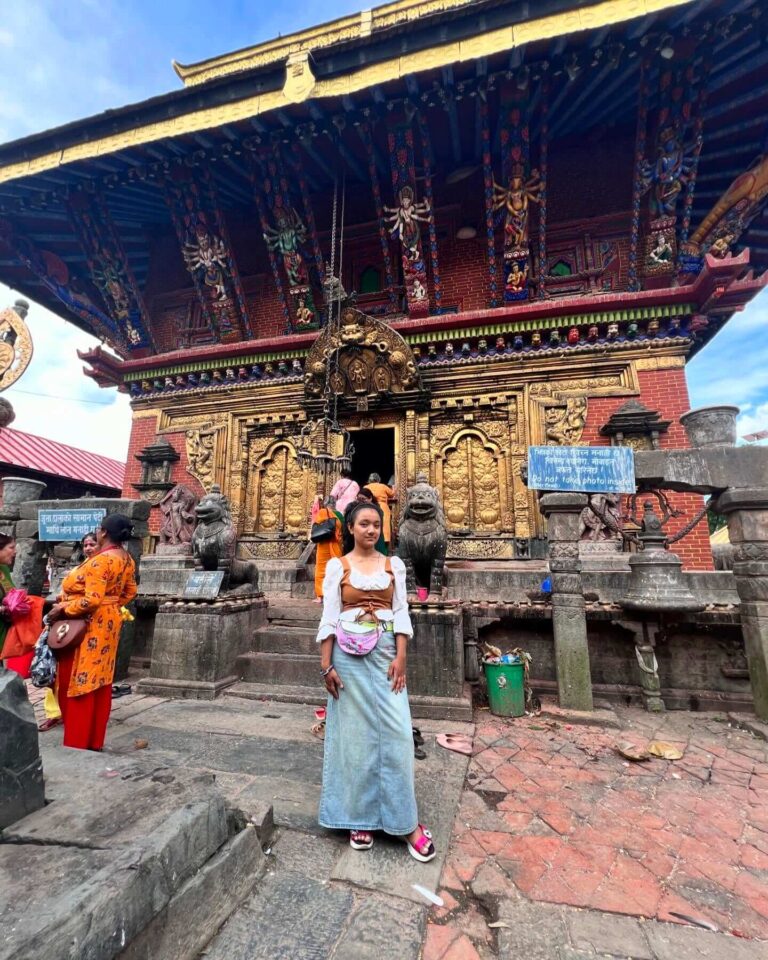

Solo travel: how to navigate the world alone with confidence is a question many first-time adventurers ask. The idea of exploring unfamiliar places without a companion can seem intimidating at first, but it’s also incredibly rewarding. Solo travel gives you the freedom to follow your own path, make spontaneous decisions, and discover your inner strength. In this guide, we’ll help you understand how to confidently navigate the world on your own terms—with safety tips, mindset shifts, and planning strategies tailored for solo adventurers.
Traveling alone can be one of the most empowering and transformative experiences of your life. Whether you are an adventurous spirit eager to explore new cultures, or someone seeking solitude and introspection, solo travel offers the freedom to design your journey at your own pace. However, traveling solo may seem intimidating to some, especially if you’ve never embarked on an independent trip before. The idea of navigating a foreign country alone, managing logistical details, and stepping out of your comfort zone can bring both excitement and anxiety.
But solo travel can also be incredibly enriching and rewarding. It encourages personal growth, self-reliance, and opens up opportunities for meaningful connections with both locals and fellow travelers. The key to traveling solo with confidence is to be prepared and informed, maintaining both a sense of adventure and practicality. This comprehensive guide will walk you through how to navigate the world alone, ensuring you not only survive but thrive during your solo adventures.
1. The Benefits of Solo Travel
Before diving into practical tips and strategies, let’s explore why solo travel can be an enriching experience:
Self-Discovery and Personal Growth ;Traveling alone forces you to step outside your comfort zone and handle challenges on your own. You will learn to navigate unknown environments, make decisions independently, and deal with the unpredictability of life on the road. It’s a perfect opportunity for self-reflection and personal growth.
Flexibility and Freedom ; Solo travel offers unmatched flexibility. You can change your plans on a whim, spend as much or as little time as you like in each destination, and pursue activities that interest you most without having to compromise with travel companions.
Building Confidence and Independence;Each successful solo trip increases your confidence. You’ll become more resourceful and self-sufficient, gaining a deeper understanding of your capabilities and limitations. Over time, this can translate into greater confidence in your personal and professional life.
Deepening Cultural Immersion ;When traveling alone, you are more likely to engage with locals and other travelers. Without the comfort of familiar companions, you’re more inclined to approach people, ask questions, and connect with others, which can lead to more authentic and meaningful travel experiences.
Unrestricted Exploration; Solo travelers often have a more intimate connection with their surroundings. You can spend time appreciating small details, such as the aroma of street food or the architecture of a local temple, without the distractions of a group.
2. Preparation: The Key to a Confident Solo Journey
While spontaneity is a hallmark of great travel experiences, a little preparation can go a long way in ensuring that your solo trip goes smoothly. Below are key areas to focus on:
Choose the Right Destination;Some places are more solo-travel-friendly than others. Before you decide where to go, research destinations based on your comfort level, safety, and interests. Consider factors such as:
Safety: Look up recent travel advisories and safety statistics.
Language: If you don’t speak the local language, are you comfortable navigating with basic phrases or through translation apps?
Culture and Acceptance: Some cultures are more open to solo travelers, especially women, while others may have more conservative or restrictive norms.
Infrastructure: Consider destinations with good transportation systems and access to amenities such as Wi-Fi, mobile networks, and reliable accommodation options.
Some solo travelers recommend starting in countries with well-developed tourist infrastructures, like Japan, Iceland, or certain European countries, before gradually moving to more challenging or off-the-beaten-path destinations.
Research and Plan (But Leave Room for Flexibility)While flexibility is important, some research can help you navigate the unknown with confidence:
Accommodation: Look for trusted websites for booking your stays (like Booking.com, Airbnb, or Hostelworld) and read reviews.
Transportation: Familiarize yourself with local transportation options and maps. It’s helpful to download offline maps or apps like Google Maps or Citymapper.
Local Etiquette: Learn about cultural norms, tipping practices, and any specific customs or behaviors that may differ from your home country.
Health Precautions: Research any vaccines or health precautions that might be required for your destination (e.g., malaria prophylaxis, COVID-19 restrictions). Carry a basic first-aid kit and medications.
Pack Smart and LightPacking light is key when traveling solo. You’ll be responsible for your luggage, so packing efficiently can reduce stress::
Essentials: Pack versatile clothing, travel-sized toiletries, and other basic necessities. If you’re traveling to a warm destination, you’ll likely need less than if you’re traveling to cold climates.
Tech and Security: Don’t forget to pack your phone, charger, and power bank. Keep backups of important documents like passports, travel insurance, and bank cards. A money belt or neck pouch can add an extra layer of security when carrying your valuables.
Safety Items: Items such as a whistle, a small flashlight, or a door alarm can give you peace of mind in your accommodation or when walking alone at night.
3. Safety First: Protect Yourself While Traveling Solo
Although solo travel can be incredibly rewarding, it’s essential to prioritize your safety. Follow these practical steps to stay safe while enjoying your independence:
Stay Aware of Your Surroundings
Trust Your Instincts: If a situation feels uncomfortable or unsafe, trust your gut. It’s okay to leave or avoid an area that feels off.
Avoid Dangerous Areas: Some places may have high crime rates or be known for scams targeting tourists. It’s important to be aware of which neighborhoods to avoid, especially at night.
Blend In: While it’s fun to explore new places, try not to stand out as a tourist. Dress conservatively, avoid flashing expensive items, and be cautious when handling money or valuables in public.
Keep Emergency Contacts Handy
Make sure someone at home or a fellow traveler has access to your travel plans and contact information. Share your itinerary with a trusted friend or family member before you leave, and check in with them regularly.
Use Technology Wisely
Download important apps for safety, navigation, and language translation:
Emergency Apps: Many countries have apps that offer emergency contacts, transportation, and general safety tips.
Offline Maps: Apps like Maps.me allow you to download maps ahead of time for areas where there might be no reliable internet.
Translation Apps: Google Translate can help you navigate language barriers, especially in remote areas.
Travel Insurance: Make sure you have travel insurance that covers medical emergencies, cancellations, and theft.
Be Cautious with Alcohol and Nighttime Activities
While you might want to unwind with a drink in the evening, it’s important to stay aware of your surroundings and avoid drinking too much when you’re alone. Additionally, keep an eye on your drink to avoid tampering. Stick to well-known and recommended bars or restaurants, and avoid risky areas at night.
Join Group Tours or Activities
4. Making Friends and Finding Companionship on the Road
One of the joys of solo travel is the opportunity to meet people from around the world. Traveling alone can make you more approachable and open to meeting new friends. Here’s how to foster connections while remaining safe:
Stay in Social Accommodations
Hostels, guesthouses, and homestays are great options for solo travelers looking to meet others. Many hostels organize social activities like city tours, game nights, or group dinners, which can provide natural opportunities to meet fellow travelers.
If you’re feeling lonely or want to explore with others, consider joining day trips or group tours. Many destinations offer guided tours, cooking classes, or hiking excursions where you can meet like-minded individuals.
Use Travel Apps and Social Networks
There are several apps and platforms designed specifically for solo travelers to connect with others. Some popular options include:
Couchsurfing: Connect with locals who offer free accommodations and can give you insider tips about the destination.
Meetup: This app helps you find group events or activities in cities around the world.
Travello: An app for solo travelers to connect, share experiences, and even meet up in real-time.
5. Dealing with Loneliness and Homesickness
While solo travel offers immense freedom, it’s normal to feel lonely or homesick at times. Here are a few strategies to cope:
Keep in Touch with Loved Ones: Regular video calls, texts, or social media can help you stay connected with family and friends.
Reflect in a Journal: Write down your thoughts, experiences, and emotions. Journaling can help you process feelings of loneliness and provide clarity during tough moments.
Take It Easy on Yourself: Remember, you don’t need to be “on” all the time. Take breaks when needed, whether that means spending a day in bed, visiting a local café, or just exploring a quiet park.
6.Building Confidence in Your Solo Travels
Confidence comes with time, experience, and overcoming challenges. Each time you successfully navigate a new place, handle an unexpected situation, or push through a moment of self-doubt, you build confidence. Here are some additional tips to help you along the way:
Stay Curious: Embrace a sense of wonder and curiosity. Every moment is an opportunity to learn something new.
Be Open to Change: Travel rarely goes exactly as planned, and that’s part of the adventure. Stay adaptable and open-minded.
Celebrate Your Achievements: Each successful solo trip is a testament to your resilience and independence. Celebrate your victories, no matter how small.
Related Blogs
Read All ›