Nepal Tour Package from India | 7N/8D with Muktinath, Pokhara & Chitwan


Duration
7 Nights 8 days
Max People
26
Min Age
3+
Pickup
Tribhuvan International Airport in Kathmandu
Eight days that cover most of what people come to Nepal for: the temples of the Kathmandu valley, the lakes and mountain views at Pokhara, darshan at Muktinath high in Mustang, and a wildlife safari in Chitwan. All sightseeing is by private car with your own driver, so the pace is yours rather than a group’s.
The centrepiece for most travellers is Muktinath at 3,710 metres — one of the 108 Divya Desams and the only one outside India — reached through the Kali Gandaki, the deepest gorge in the world. There is darshan at Manakamana on the way to Pokhara too, reached by cable car up the ridge.
One honest word about day four. The road from Pokhara to Jomsom is rough, partly unpaved and occasionally blocked by landslide or snow. It is a spectacular drive and it is also the hardest travel day of the trip. If you would rather fly that leg, say so and we will price it.
At a Glance
- Duration — 7 nights and 8 days
- Route — Kathmandu, Pokhara, Jomsom, Muktinath, Pokhara, Chitwan, Kathmandu, Bhaktapur
- Best months — March to May and October to November for clear mountain views
- Highest point — Muktinath at 3,710 m
- Transport — private car with driver throughout, plus two airport transfers
- Stay — hotels on twin-sharing basis with breakfast
- Entry — no visa needed for Indian citizens, but carry a passport or voter ID
- Operated by — Chalo International
Tell us your dates and how many are travelling and we will confirm hotels and send a plan with timings. Call or WhatsApp +91 62000 39989.
Included/Excluded
- 7 nights accommodation on a twin-sharing basis with breakfast
- All sightseeing by private cab as per the itinerary
- Two airport transfers by cab
- Manakamana cable car as per the itinerary
- Kathmandu valley sightseeing including Pashupatinath, Boudhanath and Swayambhunath
- Pokhara sightseeing including Phewa Lake boat ride, Davis Falls and Gupteshwor Cave
- Muktinath darshan trip from Jomsom
- Chitwan National Park jeep safari, canoe ride and Tharu village visit
- Bhaktapur Durbar Square excursion
- All applicable taxes on accommodation
- All toll taxes, driver allowance and fuel charges
- Airfare to and from Nepal
- 5% GST
- Monument and national park entry fees where not stated
- Any meals other than the daily breakfast
- Optional flight between Pokhara and Jomsom in place of the road journey
- Personal expenses such as laundry, tips, phone calls and shopping
- Travel insurance
- Costs arising from landslides, snow closures, flight delays or other events outside our control
- Anything not listed in the inclusions
Tour Plan
You land at Tribhuvan, clear immigration and a private car takes you into the city. Kathmandu hits you slowly — narrow lanes, brick temples wedged between shops, prayer flags overhead and the smell of incense almost everywhere. The rest of the day is free to rest after the flight. If you have energy, Thamel is walkable and worth an hour in the evening.
Top Places to Cover
- Tribhuvan International Airport — private transfer included
- Thamel — optional evening walk
Why This Matters
Kathmandu Valley — holds seven separate UNESCO World Heritage monument zones inside one valley, which is more than most countries manage in total.
Day's Facts
- Nepal runs 15 minutes ahead of Indian Standard Time — the only country in the world with a 45-minute offset from GMT.
- Indian citizens do not need a visa for Nepal, but do need valid photo ID such as a passport or voter card.
Helpful Info
- Indian rupee notes of 500 and 2000 are not legally accepted in Nepal. Carry 100s or use ATMs.
- Traffic is slow and dusty. A mask is useful if you are sensitive to pollution.
- Meals today are on you.
A full day around the valley by private car. Pashupatinath comes first, one of the most important Shiva temples anywhere, standing above the Bagmati with cremation ghats along the river and sadhus in the courtyards. Then Boudhanath, an enormous white stupa with painted eyes, where pilgrims walk clockwise turning brass prayer wheels. The day finishes at Swayambhunath on its hilltop, reached by a long stair guarded by monkeys, with the whole valley spread out below.
Top Places to Cover
- Pashupatinath Temple — Shiva temple on the Bagmati
- Boudhanath Stupa — one of the largest stupas in the world
- Swayambhunath — the hilltop stupa, also called the Monkey Temple
- Kathmandu Durbar Square — the old royal palace complex
Why These Places Matter
Pashupatinath — recorded on this site since at least the 5th century and one of the holiest Shiva shrines in the world. The inner sanctum is open only to Hindus.
Swayambhunath — among the oldest religious sites in Nepal, and a place where Hindu and Buddhist worship have sat side by side for centuries rather than separately.
Day's Facts
- Boudhanath's dome was rebuilt after the 2015 earthquake, largely with public donations.
- Swayambhunath is reached by 365 stone steps from the eastern side.
Helpful Info
- Photography is restricted at the cremation ghats. These are grieving families, not a sight.
- Always walk clockwise around stupas and shrines.
- Keep bags closed at Swayambhunath — the monkeys are practised thieves.
The road to Pokhara follows the Trishuli river for most of the way, with rafts on the water below and terraced fields climbing the hillsides. Partway along you stop for Manakamana, reached by a cable car that lifts you nearly three kilometres up the ridge in about ten minutes — the valley drops away underneath and it is worth sitting on the correct side for it. The temple at the top is dedicated to Bhagwati, who is believed to grant the wishes of those who come. You reach Pokhara by evening.
Top Places to Cover
- Trishuli river road — the drive out of Kathmandu
- Manakamana Temple — reached by cable car
- Pokhara and Phewa Lake — arrival in the evening
Why These Places Matter
Manakamana — the name means wish-fulfilling. Devotees have climbed to this ridge for centuries; before the cable car opened in 1998 it was a walk of three to four hours.
Day's Facts
- The Manakamana cable car runs about 2.8 km and was the first of its kind in Nepal.
- The Kathmandu to Pokhara drive is roughly 200 km but takes 6 to 7 hours because of the terrain.
Helpful Info
- Cable car queues are long on Saturdays and festival days. Weekdays are far easier.
- Animal sacrifice is still practised at this temple. If that would distress you, wait at the lower station.
- Carry snacks — the road has few reliable places to eat.
Today is the hard travel day and worth knowing about in advance. The route north from Pokhara climbs into Mustang through the Kali Gandaki gorge, and the road is rough, unpaved in stretches and often only passable by 4WD. It is also one of the most striking drives in the Himalaya — the walls rise on both sides, the vegetation thins out until there is almost none, and by Jomsom at 2,700 metres you are in dry, wind-scoured mountain desert that looks nothing like the green hills you left this morning.
Top Places to Cover
- Kali Gandaki gorge — the road north into Mustang
- Tatopani or Ghasa — usual halt points on the route
- Jomsom — overnight at about 2,700 m
Why These Places Matter
The Kali Gandaki gorge — measured between Dhaulagiri and Annapurna, both over 8,000 m, it is the deepest gorge in the world. The river cut down as the mountains rose around it.
Shaligram — the black ammonite fossils found in this riverbed are worshipped as forms of Vishnu, and they exist here because this was seabed before the Himalaya rose.
Day's Facts
- A wind funnels up the gorge every day from late morning, which is why flights into Jomsom only operate early.
- Jomsom sits at about 2,700 m, and you will feel the thinner air by evening.
Helpful Info
- This road is genuinely rough and can be blocked by landslides or snow. Timings shift, and in bad weather the route may change. Please build slack into your return flights.
- Take a motion sickness tablet before you set off.
- Nights here drop close to freezing even in summer. Carry warm layers.
An early start for the drive up to Muktinath at 3,710 metres, the highest point of the trip. The temple sits above the treeline with the Annapurna range behind it, and the wind never stops. Behind the main shrine run 108 stone spouts, each pouring ice-cold water, and pilgrims pass under every one of them. Inside the Jwala Mai shrine nearby a small natural gas flame burns over water, which is why this place is sacred to Hindus and Buddhists alike. Afterwards you make the long drive back down to Pokhara.
Top Places to Cover
- Muktinath Temple — at about 3,710 m
- The 108 muktidhara spouts — behind the main shrine
- Jwala Mai temple — the natural eternal flame
- Return drive to Pokhara — overnight
Why These Places Matter
Muktinath — the name means place of liberation. It is one of the 108 Divya Desams of Vaishnavism and the only one outside India, which is why so many pilgrims travel here from the south.
The eternal flame — natural gas seeping through rock, burning above spring water. Fire and water together in one place is exactly why both faiths hold the site sacred.
Day's Facts
- Bathing under all 108 spouts is traditional. The water comes off glaciers and is close to freezing.
- Buddhists know the site as Chumig Gyatsa, meaning hundred waters.
Helpful Info
- At 3,710 m some people feel breathless or get a headache. Walk slowly and tell the driver if it worsens.
- The 108-spout bath is very cold and brief. Carry a towel and a full change of clothes.
- The route can close in heavy snow between roughly December and February.
A morning around Pokhara before the drive south. Phewa Lake has a small temple on an island in the middle that you reach by rowed boat, and on a clear morning the Annapurnas reflect in the water with Machhapuchhre standing out — a sharp fishtail peak that has never been climbed and never will be, because it is closed to climbers out of respect. Davis Falls disappears into a hole in the ground, and the Gupteshwor cave below it lets you see the same water from underneath. Then you drive to Chitwan.
Top Places to Cover
- Phewa Lake and Tal Barahi Temple — by rowed boat
- Davis Falls and Gupteshwor Cave
- Bindhyabasini Temple — above the old bazaar
- Chitwan — arrival in the evening
Why These Places Matter
Machhapuchhre — 6,993 m and formally closed to climbing since 1965 because it is held sacred to Shiva. It is one of very few Himalayan peaks never summited.
Davis Falls — the river vanishes underground here and reappears inside Gupteshwor cave, where a Shiva shrine sits beside the water.
Day's Facts
- Pokhara sits at only 800 m yet has 8,000 m peaks visible from the lakeside — one of the steepest elevation gains on earth over such a short distance.
- Chitwan means heart of the jungle.
Helpful Info
- Mountain views are best between 6 and 8 am. By midday cloud usually covers the range.
- Cave steps are wet and slippery — closed shoes.
- Carry insect repellent for Chitwan, especially between June and September.
An early morning in the park, which is flat sal forest and tall elephant grass rather than hills. You go in by jeep and on a dugout canoe down the Rapti river, where gharial and mugger crocodiles lie on the banks close enough to see clearly. Chitwan holds one of the largest remaining populations of the greater one-horned rhino, and sightings are common though never guaranteed. There are tigers here too, but almost nobody sees one. Later you visit a Tharu village and drive back to Kathmandu.
Top Places to Cover
- Chitwan National Park — jeep safari
- Rapti river canoe ride — for gharial and birdlife
- Tharu village and cultural programme
- Return to Kathmandu — overnight
Why These Places Matter
Chitwan — Nepal's first national park and a UNESCO World Heritage site since 1984. Rhino numbers here have recovered from near collapse through anti-poaching work, a genuine conservation success.
The Tharu — the indigenous people of this lowland belt, historically resistant to the malaria that kept others out of these forests.
Day's Facts
- The park protects more than 600 one-horned rhinos along with Bengal tigers, sloth bears and gharial.
- The gharial is a fish-eating crocodile with a long narrow snout, and is critically endangered.
Helpful Info
- We use jeep and canoe safaris rather than elephant-back rides. Riding is being phased out on welfare grounds and we would rather not offer it.
- Wear dull greens and browns. Bright colours reduce your chances of a sighting.
- Early morning gives the best wildlife activity, so the start is early.
One last stop before the airport, and it is the best-preserved of the three old royal cities in the valley. Bhaktapur is almost entirely brick and carved wood, closed to most traffic, and you walk everywhere. The five-tiered Nyatapola temple stands above a stair lined with stone guardians, each pair said to be ten times stronger than the one below. Buy juju dhau, the local sweet curd set in clay pots, before you leave. Then the drive to Tribhuvan for your flight home.
Top Places to Cover
- Bhaktapur Durbar Square — the 55-window palace and Golden Gate
- Nyatapola Temple — the five-tiered temple on Taumadhi Square
- Pottery Square — potters still working by hand
- Tribhuvan International Airport — transfer included
Why These Places Matter
Bhaktapur — capital of the valley until the 15th century and the least altered of the three royal cities, which is why it feels more like a working medieval town than a monument.
Nyatapola — built in 1702 and still standing after the 1934 and 2015 earthquakes, which brought down much newer buildings around it.
Day's Facts
- Juju dhau means king of curds, and is set in unglazed clay pots that draw out moisture and thicken it.
- Bhaktapur charges a separate entry fee for foreign visitors, which funds restoration.
Helpful Info
- Reach the airport three hours before an international flight.
- Bhaktapur is cobbled and uneven. Wear proper shoes, not sandals.
Before You Go
This route packs a lot into eight days, and the Jomsom leg is the demanding part. If you would rather fly Pokhara to Jomsom instead of driving, or drop Mustang entirely and add days in Pokhara and Chitwan, tell us and we will rebuild it.
Download Above 7N/8D Full Itinerary in Detail PDF (Click Here)
Contact On WhatsApp: wp Link
Direct Call: +916200039989


Frequently Asked Questions
How many days is the Nepal Tour Package from India | 7N/8D with Muktinath, Pokhara & Chitwan trip?
It is a 7N | 8D trip with a 9-day itinerary. The full day-by-day plan is in the Itinerary above, and we can shorten or extend it to fit your dates.
What is included in this package?
This package includes 7 nights accommodation on a twin-sharing basis with breakfast, All sightseeing by private cab as per the itinerary, Two airport transfers by cab, Manakamana cable car as per the itinerary, and more — see the full Inclusions list above. Flights and visas are quoted separately unless stated.
How much does the Nepal Tour Package from India | 7N/8D with Muktinath, Pokhara & Chitwan package cost?
Prices start from ₹51,999 per person on twin-sharing. Tap Get Quote for a customised price based on your travel dates, group size and hotel category.
Can I customise Nepal Tour Package from India | 7N/8D with Muktinath, Pokhara & Chitwan or travel on my own dates?
Yes — share your preferred dates, group size and hotel preference and our team will tailor this itinerary and send you a revised quote.
How do I book, and is it safe?
Send an enquiry or tap Get Quote and our specialist will call you back with availability, the detailed itinerary on WhatsApp and a secure payment link. A small booking amount confirms your seat.
Most Popular
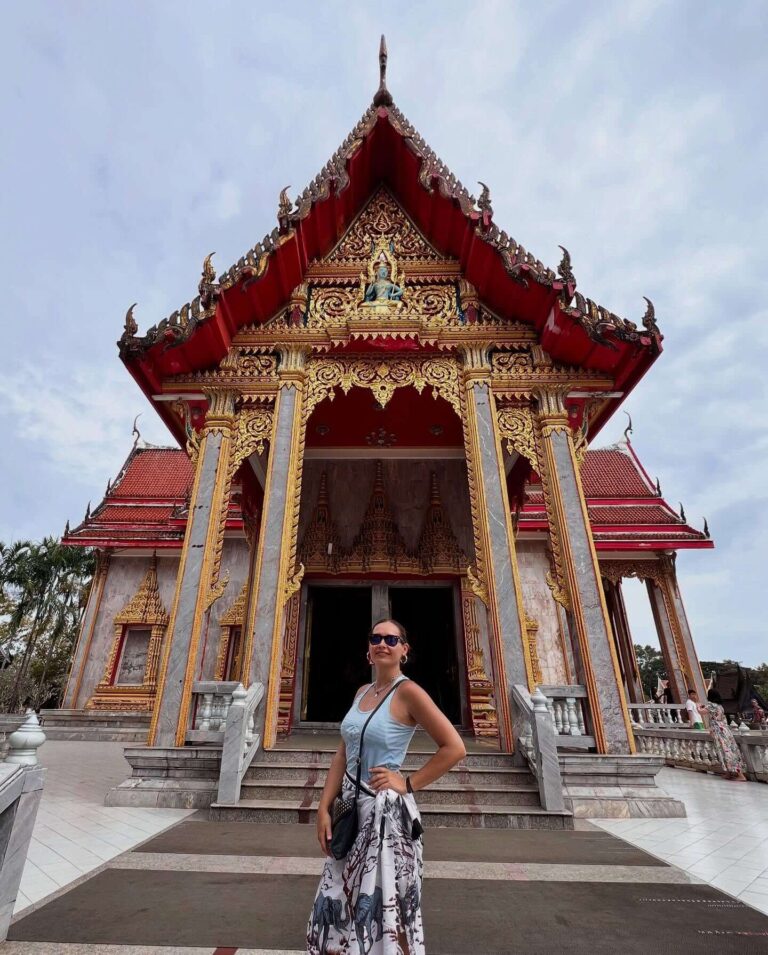
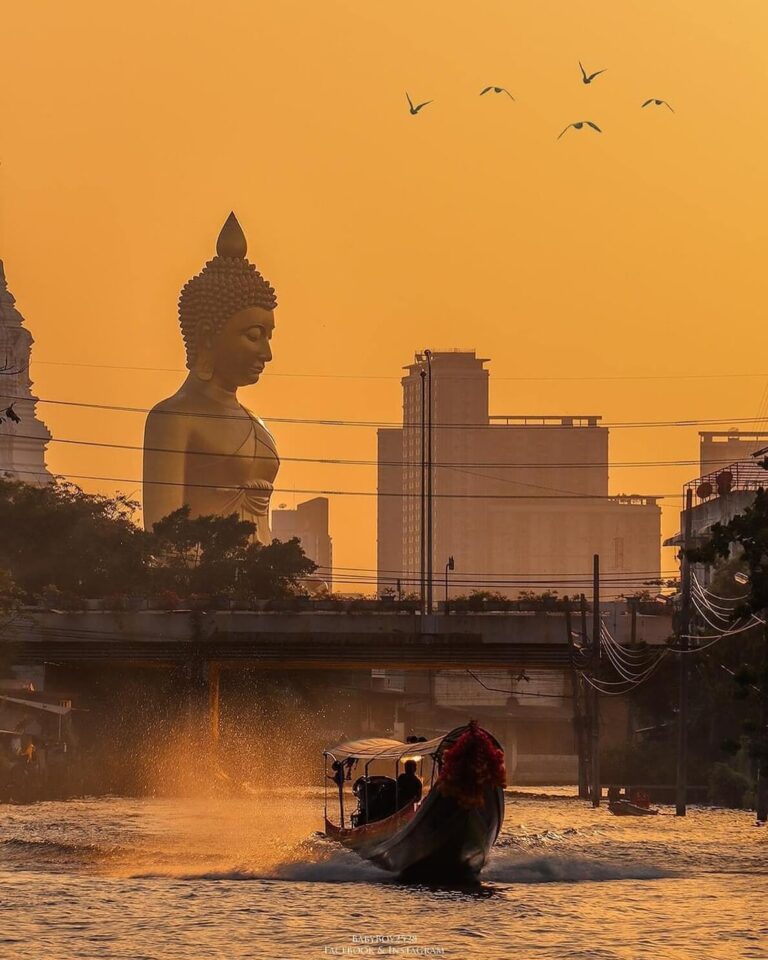 7N | 8D 25% Off
Best of Bangkok, Phuket & Krabi | Exploring the Jewels of Thailand
7N | 8D 25% Off
Best of Bangkok, Phuket & Krabi | Exploring the Jewels of Thailand
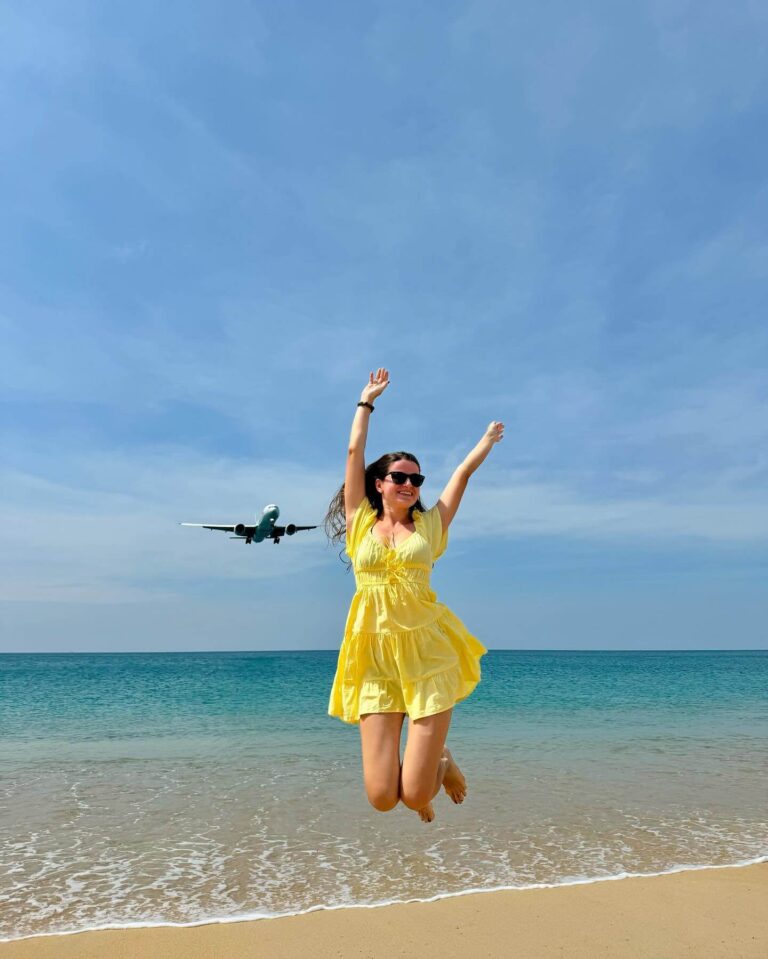
 5N | 6D 25% Off
Bhutan Tour Package from India — 5N/6D with Free Tiger’s Nest Hike
5N | 6D 25% Off
Bhutan Tour Package from India — 5N/6D with Free Tiger’s Nest Hike
 6N | 7D 31% Off
INSTAGRAMMABLE Bhutan Group Tour | Excursion to Chele La Pass
7N | 8D 25% Off
Best of Bangkok, Phuket & Krabi | Exploring the Jewels of Thailand
5N | 6D 25% Off
Bhutan Tour Package from India — 5N/6D with Free Tiger’s Nest Hike
6N | 7D 31% Off
INSTAGRAMMABLE Bhutan Group Tour | Excursion to Chele La Pass
6N | 7D 31% Off
INSTAGRAMMABLE Bhutan Group Tour | Excursion to Chele La Pass
7N | 8D 25% Off
Best of Bangkok, Phuket & Krabi | Exploring the Jewels of Thailand
5N | 6D 25% Off
Bhutan Tour Package from India — 5N/6D with Free Tiger’s Nest Hike
6N | 7D 31% Off
INSTAGRAMMABLE Bhutan Group Tour | Excursion to Chele La Pass
Trending Packages
7N | 8D 25% Off
Best of Bangkok, Phuket & Krabi | Exploring the Jewels of Thailand
 7N | 8D 25% Off
Best of Bangkok, Phuket & Krabi | Exploring the Jewels of Thailand
7N | 8D 25% Off
Best of Bangkok, Phuket & Krabi | Exploring the Jewels of Thailand
Family Trip
Romantic Escape
7N | 8D 25% Off
Best of Bangkok, Phuket & Krabi | Exploring the Jewels of Thailand
5N | 6D 25% Off
Bhutan Tour Package from India — 5N/6D with Free Tiger’s Nest Hike
6N | 7D 31% Off
INSTAGRAMMABLE Bhutan Group Tour | Excursion to Chele La Pass
7N | 8D 25% Off
Best of Bangkok, Phuket & Krabi | Exploring the Jewels of Thailand
5N | 6D 25% Off
Bhutan Tour Package from India — 5N/6D with Free Tiger’s Nest Hike
6N | 7D 31% Off
INSTAGRAMMABLE Bhutan Group Tour | Excursion to Chele La Pass
Weekly Backpacking


Articles You May Like
Read All ›