Bali Tour Package from India — 9N/10D with Nusa Penida & Ubud


Duration
9 Nights 10 days
Max People
26
Min Age
3+
Pickup
Ngurah Rai International Airport
Trip Highlights
Most people come back from Bali having seen one corner of it. They stay near the airport, do a temple, a beach and a rice terrace, and fly home thinking that was Bali. This trip is built for the other kind of traveller — the one who wants the south coast and the island crossings and the hills around Ubud, without spending every morning in a car.
Ten days, nine nights, from ₹58,700 per person. Five nights on the coast at Kuta for the beaches, temples and the Nusa Penida crossing, then the rest in Ubud for the rice terraces, the river and the highlands. You travel in your own car with an English-speaking driver-guide throughout — no shared coach, no fixed group.
What makes this Bali tour package from India different is what is already paid for. The entry fees to every place in the itinerary, the Nusa Penida speedboat day with lunch, white-water rafting on the Ayung and a Balinese spa session are all inside the price. On most Bali quotes those are the extras that appear after you land.
It suits couples, families with older children and groups of friends. If you are asking how many days are needed for a Bali trip, the honest answer is that anything under a week means choosing between Nusa Penida and Ubud. Ten days means you do not have to choose.
Bring sunscreen and a swimsuit you can walk in. The rest we have arranged.
At a Glance
- Duration: 9 nights / 10 days
- Starting price: ₹58,700 per person
- Route: Denpasar → Kuta (5 nights) → Ubud (4 nights) → Denpasar
- Best season: April to October, dry and reliable
- Best for: Couples, families with older children, friend groups
- Difficulty: Easy, apart from the Kelingking descent on Day 4
- Included highlights: Nusa Penida, Ayung rafting, Bali Swing, Balinese spa
Want to add Gili or Lombok on the end, or swap a beach day for Mount Batur at sunrise? Tell us your dates and we will rebuild the route around them.
Included/Excluded
- Stay: 9 nights in star-category hotels, double or triple sharing as you prefer
- Meals: Breakfast daily, from day 2 to day 10
- Meals: Lunch on day 4, the Nusa Penida excursion
- Transfers: Airport and all sightseeing transfers by private vehicle
- Transfers: Driver allowance, parking and toll charges
- Sightseeing: Entry fees to every place named in the itinerary
- Sightseeing: Nusa Penida day trip by speedboat, with lunch
- Sightseeing: Bali Swing
- Sightseeing: White-water rafting on the Ayung River
- Sightseeing: Traditional Balinese spa session
- Guide: English-speaking guide-cum-driver throughout
- Visa: Assistance with your Indonesia visa application
- 5% GST on the package value
- Indonesia visa fees, payable separately at actuals (we assist with the application)
- International flight tickets
- Travel insurance
- Lunch on every day except day 4, and dinner throughout
- Food and drinks taken in cafes, clubs and bars
- Any excursion or sightseeing not named in the itinerary
- Cost of early check-in or late check-out
- Personal expenses — laundry, tips, phone bills and shopping
- Anything not listed under Included above
Tour Plan
You land at Ngurah Rai airport and your driver takes you across to Kuta, about half an hour unless the evening traffic has other ideas. Kuta is the loud end of Bali — surf shops, warungs, a long beach that fills up before sunset. It works as a first base because everything in the south sits within an hour. Check in, get your feet in the sea, and let the flight wear off.
Top Places to Cover
- Kuta Beach — a wide grey-sand beach with the island's most reliable sunsets
- Legian Street — an easy evening walk for food and browsing
Why These Places Matter
Kuta Beach — the place Balinese tourism effectively began in the 1970s, when surfers found the break here. It is busy and unpolished, and it is still where most first trips start.
Day's Facts
- Bali is one island among more than 17,000 in Indonesia, and the only Hindu-majority one.
- Kuta sunset is a local event, not just a tourist one — families come down with mats.
Helpful Info
- Visa on arrival is paid at the airport counter and is not included in the package.
- Withdraw rupiah from bank ATMs rather than standalone machines, which charge heavily.
- Kuta's surf has a strong pull. Swim between the flags where lifeguards are posted.
After breakfast you head down the Bukit peninsula. Nusa Dua first, where the water is calmest and swimming is easiest. A short walk away is Water Blow, where the swell funnels into a gap in the limestone and throws spray over the rocks. In the afternoon you carry on to Pandawa, reached through a corridor cut clean through the cliff with five carved figures set into the rock face. Back to Kuta for the night.
Top Places to Cover
- Nusa Dua Beach — the calmest water in the south and the best place to actually swim
- Water Blow — a natural rock channel where waves explode upward
- Pandawa Beach — white sand reached through a dramatic cut in the cliff
Why These Places Matter
Pandawa Beach — the five statues in the cliff are the Pandava brothers from the Mahabharata. Balinese Hinduism kept the epics alive here in a form Indian visitors recognise instantly.
Water Blow — it only performs at high tide with a decent swell. Your guide will time the stop, but the sea has the final say.
Day's Facts
- Pandawa was hidden behind the cliff until a road was cut through it in the 2010s.
- Nusa Dua was planned by the government in the 1970s to concentrate resort development in one place.
Helpful Info
- Lunch is at leisure today — the beachside warungs at Nusa Dua are the easy option.
- Wear sandals you can walk stone steps in; Pandawa has a long flight down to the sand.
- Beach loungers are rented, not free. Agree the price before you sit down.
The best day of the trip for most people. You start inland at Taman Ayun in Mengwi, a moated royal temple that is usually quiet. Then Tanah Lot, sitting on its own rock offshore — you can only walk out at low tide, so the sea sets the timing rather than the itinerary. Late afternoon you finish at Uluwatu on the cliff above the Indian Ocean for sunset.
Top Places to Cover
- Taman Ayun Temple — a moated royal family temple with tiered shrines and gardens
- Tanah Lot — Bali's most photographed temple, on a rock in the sea
- Uluwatu Temple — a clifftop temple 70 m above the ocean, best at sunset
Why These Places Matter
Tanah Lot — built in the 16th century by a wandering priest, and one of seven sea temples ringed around the coast so each is visible from the next.
Uluwatu — guards the south-western tip of the island and is one of Bali's six most sacred temples. The Kecak fire dance is performed here at dusk.
Taman Ayun — a UNESCO-listed site, part of the subak system of water temples that has governed Bali's rice irrigation for a thousand years.
Day's Facts
- The subak irrigation system is run by farmer cooperatives through the temples, not by government.
- Tanah Lot's base has been reinforced with artificial rock — about a third of what you see is man-made.
Helpful Info
- The monkeys at Uluwatu are practised thieves. Remove sunglasses, put phones away.
- A sarong is required at temple entrances and is provided at the gate.
- Sunset draws a crowd at Uluwatu — arrive early if you want a seat at the front.
The biggest day. An early transfer to Sanur harbour and a speedboat across to Nusa Penida, roughly forty-five minutes and choppy more often than not. On the island you see Kelingking, the headland shaped like a dinosaur's head above a white beach, then Angel's Billabong, a natural rock pool that fills at low tide. Lunch is included today. Speedboat back to Sanur in the late afternoon.
Top Places to Cover
- Kelingking Beach viewpoint — the cliff everyone photographs, 150 m above the sand
- Angel's Billabong — a clear tidal rock pool opening straight to the ocean
- Broken Beach — a collapsed sea cave forming a natural stone arch
Why These Places Matter
Kelingking — the name means "little finger" in Indonesian. The descent is a rough staircase of bamboo and rock, and it is genuinely steep; the famous view is from the top anyway.
Angel's Billabong — beautiful at low tide and dangerous at high tide, when waves wash straight over the rim. Follow the guide on whether you can enter.
Day's Facts
- Nusa Penida was long used as a place of exile, which is partly why it stayed undeveloped.
- The manta rays in these waters can reach four metres across and feed here year-round.
Helpful Info
- Take motion-sickness tablets before boarding. This crossing is rough far more often than smooth.
- Island roads are poor, so expect a bumpy day between stops.
- Wear proper shoes if you plan the Kelingking descent — flip-flops are not enough.
- Lunch is included today.
A deliberately slow day after Nusa Penida. Breakfast, then your included Balinese massage — firm, oil-based, and more thorough than most people expect after two days of cliffs and boats. The afternoon is yours. Stay at the hotel, visit the waterfalls nearby, or take the children to the Bali Bird and Reptile Park. Nothing is scheduled on purpose, because tomorrow is an early start and a long drive east.
Top Places to Cover
- Balinese spa session — included, and best taken in the morning
- Bali Bird and Reptile Park — optional, and reliably good with children
Why This Matters
Balinese massage — a traditional technique using long strokes, palm pressure and coconut or frangipani oil, developed to loosen muscles rather than simply relax them. It is one of the few island traditions that has survived tourism largely intact.
Day's Facts
- Balinese massage draws on Indian Ayurvedic practice, carried across with Hinduism centuries ago.
- Frangipani, used in most spa oils here, is the flower placed in temple offerings each morning.
Helpful Info
- Say clearly if you want lighter pressure — the default is firm.
- Optional activities today are paid locally and are not part of the package.
- Lunch and dinner are at your own cost today.
An early start east, with Mount Agung filling the windscreen for much of the drive. First stop is Besakih, Bali's mother temple — dozens of separate temples stacked up the volcano's slope, over a thousand years old and still in daily use. Then Lempuyang for the Gate of Heaven, which frames Agung between two stone halves. It is a long drive back, so expect a late return.
Top Places to Cover
- Pura Besakih — the largest and holiest temple complex in Bali, on Mount Agung's slope
- Lempuyang Temple — home of the Gate of Heaven and one of Bali's oldest temples
Why These Places Matter
Pura Besakih — a complex of 23 temples that survived the 1963 eruption of Agung when lava flowed past it on both sides, which Balinese people took as a sign.
Lempuyang — among the six holiest temples on the island, and far older than its internet fame. The temple above the gate is a short climb and usually empty.
Day's Facts
- The famous mirror-lake reflection at the Gate of Heaven is a piece of glass held under a phone by staff.
- Mount Agung is Bali's highest point at just over 3,000 m and is still an active volcano.
Helpful Info
- The Lempuyang photo queue routinely runs over an hour. Arrive early or treat it as optional.
- Sarongs are required at both temples and are available at the entrance.
- This is a long day in the car — around six hours of driving in total.
North today, up to Bedugul in the hills where the air finally turns cool. You stop at the Handara Gate, the freestanding Balinese gate with mountains behind it — a photo stop and nothing more, with a small fee and usually a queue. A little further on is Ulun Danu Beratan, the temple on the lake edge that appears to float when the water is high. Then down to Ubud for the night.
Top Places to Cover
- Handara Gate — a freestanding candi bentar gate framing the hills behind
- Ulun Danu Beratan — a lakeside water temple, the one on the 50,000 rupiah note
- Lake Beratan — optional boat rides on a crater lake at 1,200 m
Why These Places Matter
Ulun Danu Beratan — built in 1633 and dedicated to Dewi Danu, goddess of lakes and rivers. It anchors the water-temple network that feeds the rice terraces below.
Handara Gate — a split gate of a kind found at temple entrances across Bali. This one is the entrance to a golf resort, which surprises people, but the design is authentic.
Day's Facts
- Bedugul sits around 1,200 m, and can drop to 15°C at night — cool by Bali standards.
- Lake Beratan is a crater lake, formed inside a collapsed volcanic caldera.
Helpful Info
- Carry a light jacket. The hills are noticeably colder than the coast.
- Cloud rolls in by early afternoon, so go in the morning for clear views.
- The Handara Gate charges a small photo fee, paid at the gate.
Rafting day. After breakfast and a safety briefing you put in for about ten kilometres of grade II and III water — roughly two and a half hours with thirty-odd rapids and a guide calling instructions from the back. It is more scenic than frightening: most of the run is through rainforest gorge with carvings cut into the rock walls. Later you do the Bali Swing over the valley, which is the photograph everyone comes for.
Top Places to Cover
- Ayung River — Bali's longest river and the main rafting run, included
- Bali Swing, Ubud — swings and platforms over a jungle valley, included
- Tegallalang rice terraces — optional, and close by
Why These Places Matter
The Ayung gorge — the rock walls along the run carry carved reliefs made by local artists over the years, which you only see from the water.
Tegallalang — terraces shaped by the subak irrigation system, still farmed by cooperatives that decide together when each field is watered.
Day's Facts
- The Ayung is around 75 km long, the longest river on the island.
- Bali's subak system dates to the 9th century and is UNESCO-listed.
Helpful Info
- You will get thoroughly soaked. Leave anything electronic in the locker, not a dry bag.
- Wear clothes you can swim in and bring a change for afterwards.
- The swing has a weight limit and is not suitable for anyone with back or heart problems.
A full free day, and the trip is better for having one. Plenty of people simply use the hotel — pool, a yoga class, a long breakfast. If you want to fill it, the Monkey Forest, the Campuhan ridge walk at dawn and the art market are all within reach, or you can run north to Lovina for the early-morning dolphin boats. Tell your driver the night before and he will work around whatever you decide.
Top Places to Cover
- Sacred Monkey Forest Sanctuary — a temple complex in forest, home to some 1,200 macaques
- Campuhan Ridge Walk — an easy hour on a paved ridge, best at sunrise
- Ubud Art Market — textiles, carvings and baskets, opposite the palace
Why These Places Matter
Monkey Forest — not a zoo but a working temple site. Three temples inside date from around the 14th century and are still used for ceremonies.
Campuhan Ridge — the walk follows a spur between two rivers, the meeting of which Balinese tradition treats as spiritually significant.
Day's Facts
- Ubud became an artists' centre in the 1930s when Western painters settled here and worked with local artists.
- The macaques in the forest are organised into distinct troops with their own territories.
Helpful Info
- No food in open bags at the Monkey Forest, and no loose sunglasses or water bottles in hand.
- Start the ridge walk by 6.30 am — there is no shade at all once the sun is up.
- Today's activities are paid locally and are not part of the package.
Final breakfast, pack and check out. Your driver collects you from Ubud for the run down to Ngurah Rai airport, which takes about ninety minutes and longer in morning traffic. Build in the buffer, because the road into Denpasar is unpredictable. Check in, drop your bags, and that is Bali.
Top Places to Cover
- Ubud to Denpasar road — rice fields and stone carvers' workshops most of the way down
Why This Matters
The drive down — the villages between Ubud and the coast each specialise in one craft: stone carving in one, woodwork in the next, silver in another. It is the last and cheapest chance to buy something made locally.
Day's Facts
- Ngurah Rai is named after a Balinese resistance leader killed fighting Dutch forces in 1946.
- Departure tax is now included in air tickets and is no longer collected at the airport.
Helpful Info
- Allow at least three hours before an international flight, plus the ninety-minute drive.
- Ask about a day room or luggage storage if your flight is late in the evening.
- Breakfast at your Ubud hotel is included.
Before You Go
Ten days is enough to see Bali properly rather than glimpse it. If you want to add Gili or Lombok, or trade a beach day for sunrise on Mount Batur, send us your dates and we will rebuild the route.
Download Above 9N/10D Full Itinerary in Detail PDF (Click Here)
Contact On WhatsApp: wp Link
Direct Call: +916200039989



Frequently Asked Questions
How many days is the Bali Tour Package from India — 9N/10D with Nusa Penida & Ubud trip?
It is a 9N | 10D trip with a 11-day itinerary. The full day-by-day plan is in the Itinerary above, and we can shorten or extend it to fit your dates.
What is included in this package?
This package includes Stay: 9 nights in star-category hotels, double or triple sharing as you prefer, Meals: Breakfast daily, from day 2 to day 10, Meals: Lunch on day 4, the Nusa Penida excursion, Transfers: Airport and all sightseeing transfers by private vehicle, and more — see the full Inclusions list above. Flights and visas are quoted separately unless stated.
How much does the Bali Tour Package from India — 9N/10D with Nusa Penida & Ubud package cost?
Prices start from ₹58,700 per person on twin-sharing. Tap Get Quote for a customised price based on your travel dates, group size and hotel category.
Can I customise Bali Tour Package from India — 9N/10D with Nusa Penida & Ubud or travel on my own dates?
Yes — share your preferred dates, group size and hotel preference and our team will tailor this itinerary and send you a revised quote.
How do I book, and is it safe?
Send an enquiry or tap Get Quote and our specialist will call you back with availability, the detailed itinerary on WhatsApp and a secure payment link. A small booking amount confirms your seat.
Most Popular
 7N | 8D 25% Off
Best of Bangkok, Phuket & Krabi | Exploring the Jewels of Thailand
7N | 8D 25% Off
Best of Bangkok, Phuket & Krabi | Exploring the Jewels of Thailand
 5N | 6D 25% Off
Bhutan Tour Package from India — 5N/6D with Free Tiger’s Nest Hike
5N | 6D 25% Off
Bhutan Tour Package from India — 5N/6D with Free Tiger’s Nest Hike
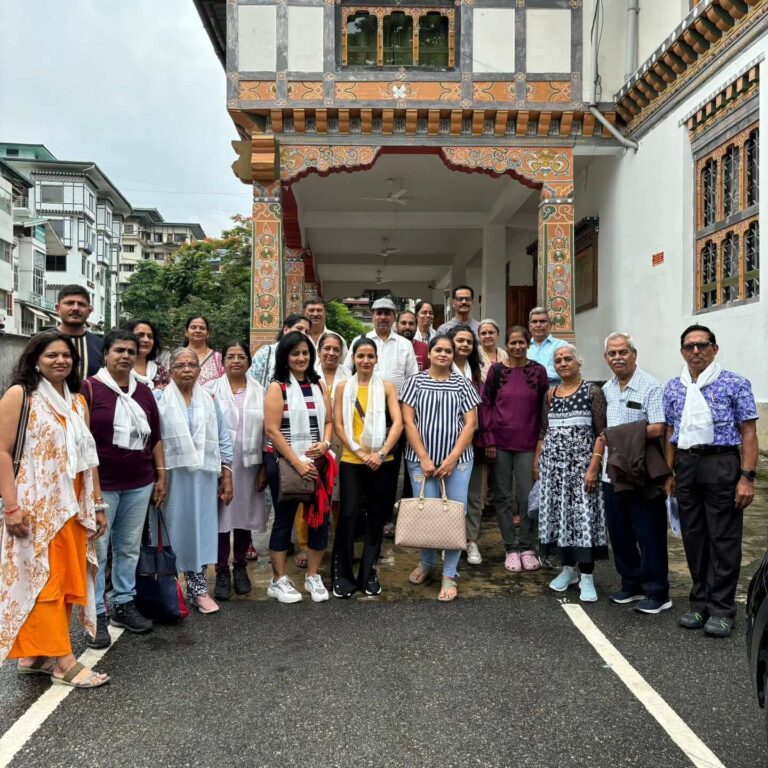 6N | 7D 31% Off
INSTAGRAMMABLE Bhutan Group Tour | Excursion to Chele La Pass
7N | 8D 25% Off
Best of Bangkok, Phuket & Krabi | Exploring the Jewels of Thailand
5N | 6D 25% Off
Bhutan Tour Package from India — 5N/6D with Free Tiger’s Nest Hike
6N | 7D 31% Off
INSTAGRAMMABLE Bhutan Group Tour | Excursion to Chele La Pass
6N | 7D 31% Off
INSTAGRAMMABLE Bhutan Group Tour | Excursion to Chele La Pass
7N | 8D 25% Off
Best of Bangkok, Phuket & Krabi | Exploring the Jewels of Thailand
5N | 6D 25% Off
Bhutan Tour Package from India — 5N/6D with Free Tiger’s Nest Hike
6N | 7D 31% Off
INSTAGRAMMABLE Bhutan Group Tour | Excursion to Chele La Pass
Trending Packages
7N | 8D 25% Off
Best of Bangkok, Phuket & Krabi | Exploring the Jewels of Thailand
 7N | 8D 25% Off
Best of Bangkok, Phuket & Krabi | Exploring the Jewels of Thailand
7N | 8D 25% Off
Best of Bangkok, Phuket & Krabi | Exploring the Jewels of Thailand
Family Trip
Romantic Escape
7N | 8D 25% Off
Best of Bangkok, Phuket & Krabi | Exploring the Jewels of Thailand
5N | 6D 25% Off
Bhutan Tour Package from India — 5N/6D with Free Tiger’s Nest Hike
6N | 7D 31% Off
INSTAGRAMMABLE Bhutan Group Tour | Excursion to Chele La Pass
7N | 8D 25% Off
Best of Bangkok, Phuket & Krabi | Exploring the Jewels of Thailand
5N | 6D 25% Off
Bhutan Tour Package from India — 5N/6D with Free Tiger’s Nest Hike
6N | 7D 31% Off
INSTAGRAMMABLE Bhutan Group Tour | Excursion to Chele La Pass
Weekly Backpacking


Articles You May Like
Read All ›