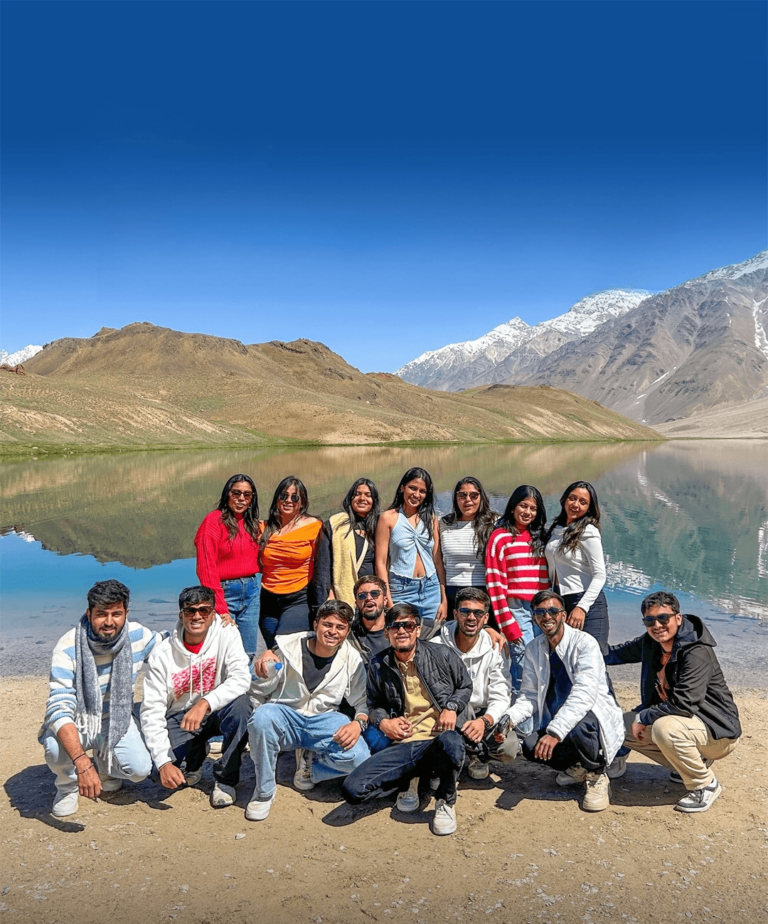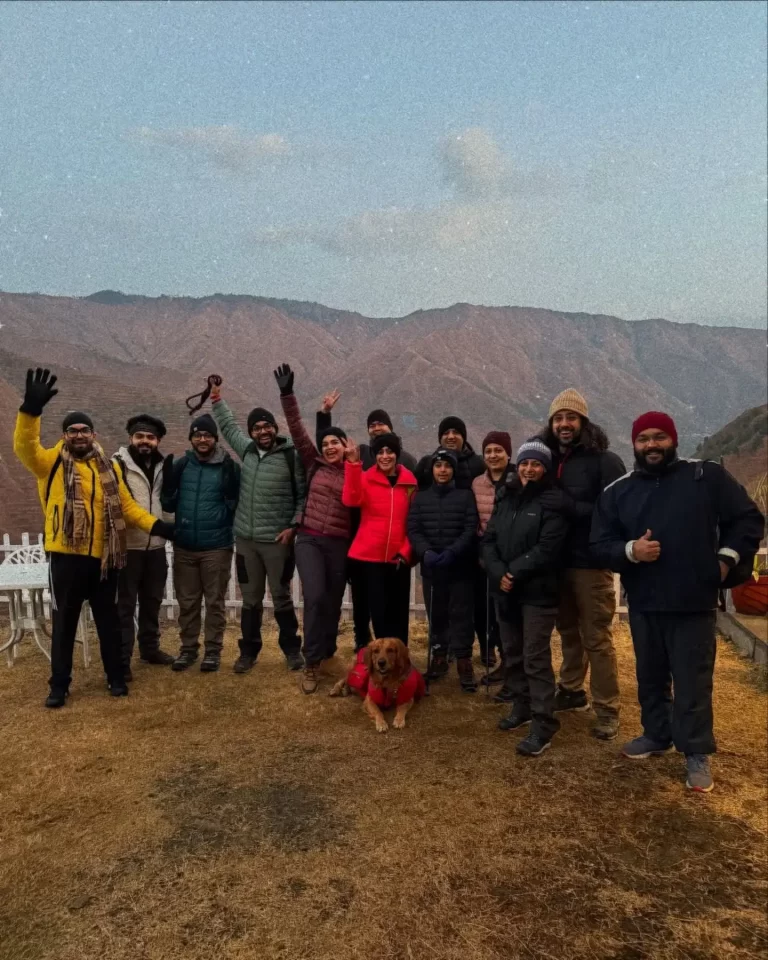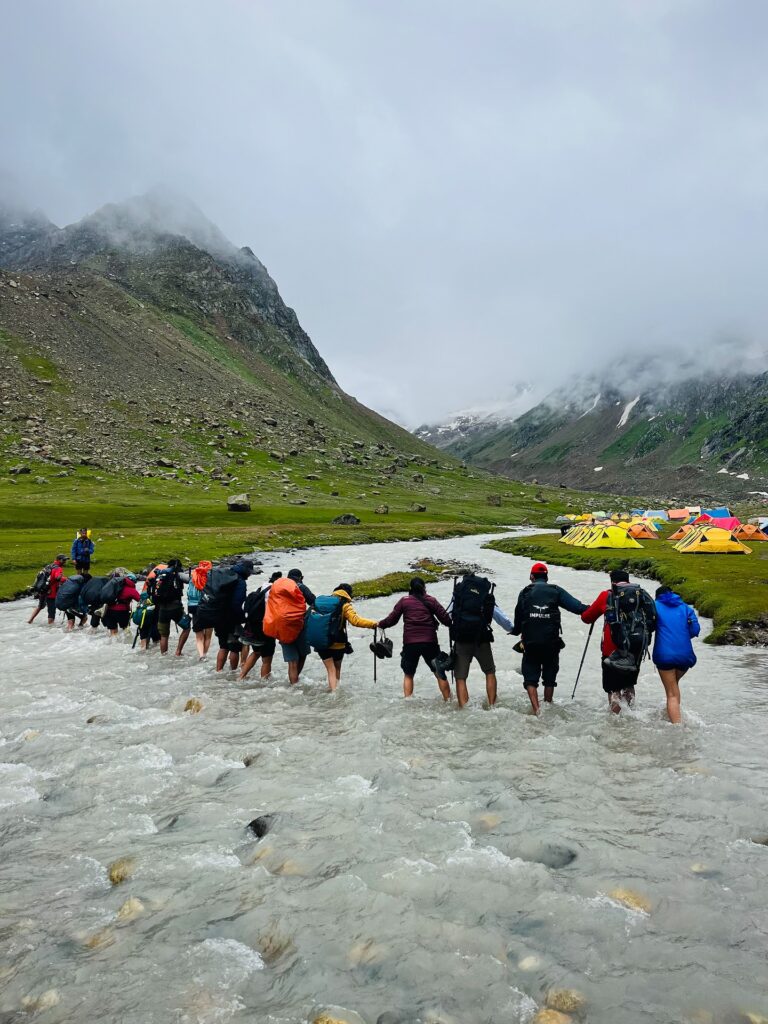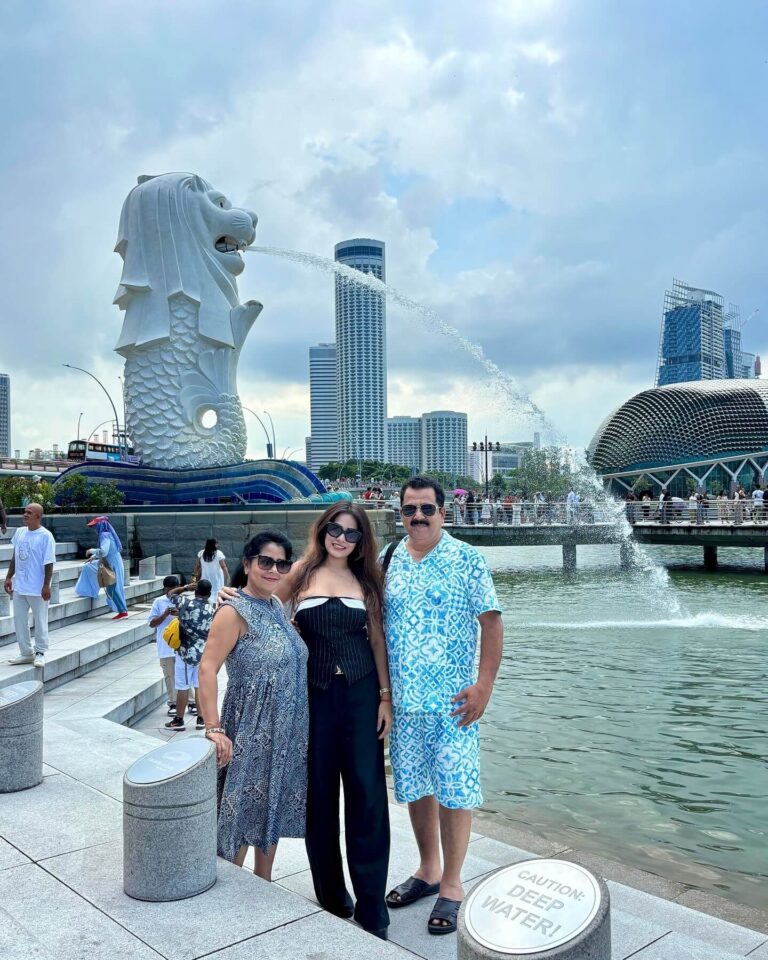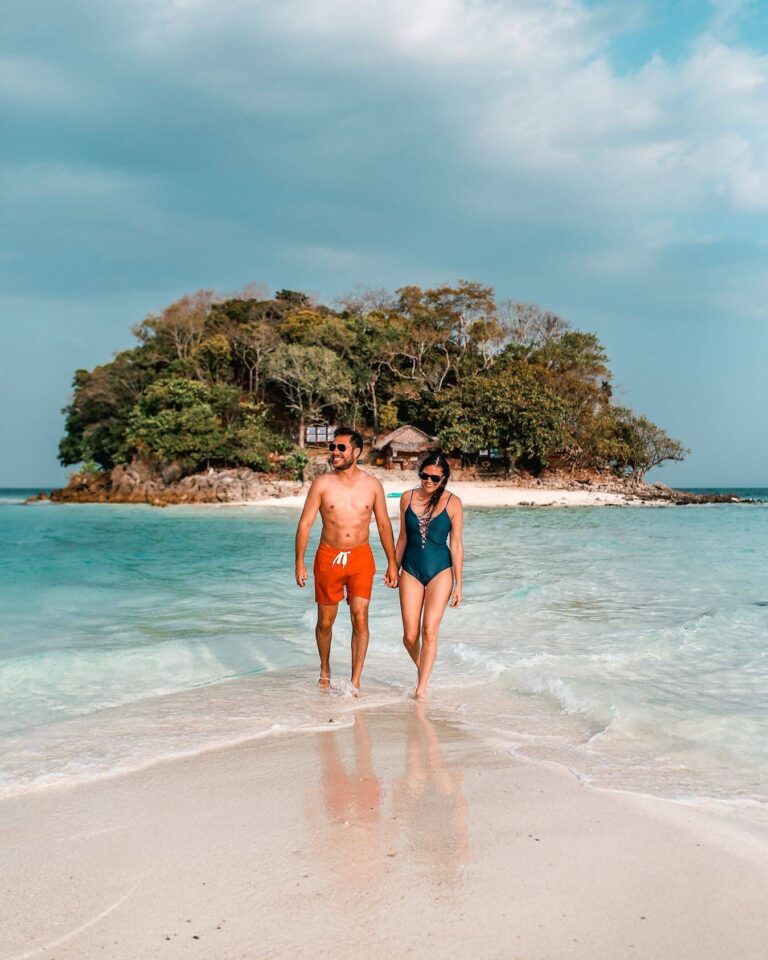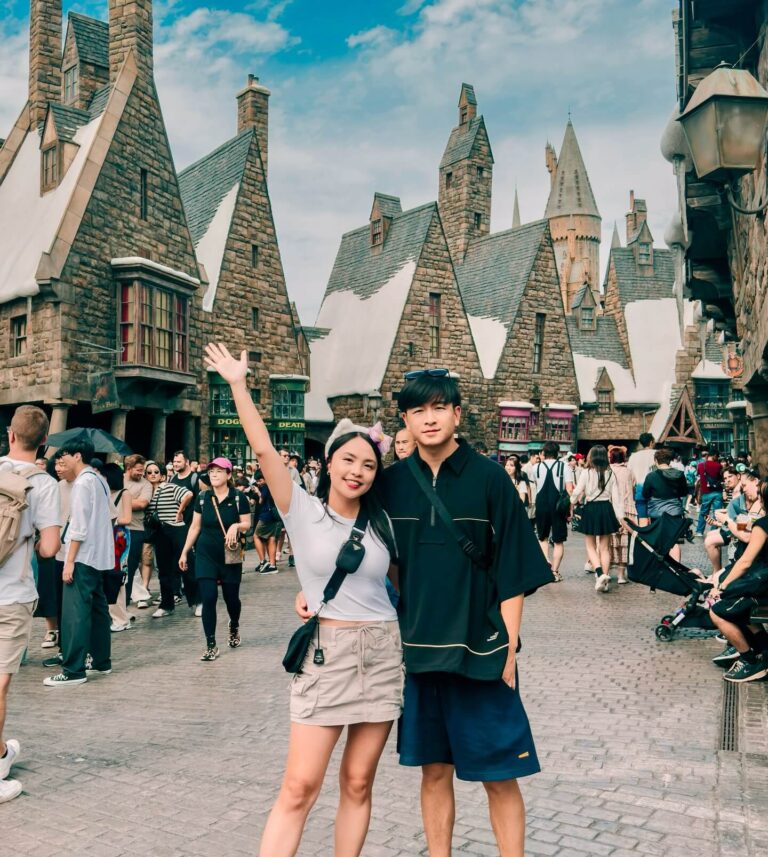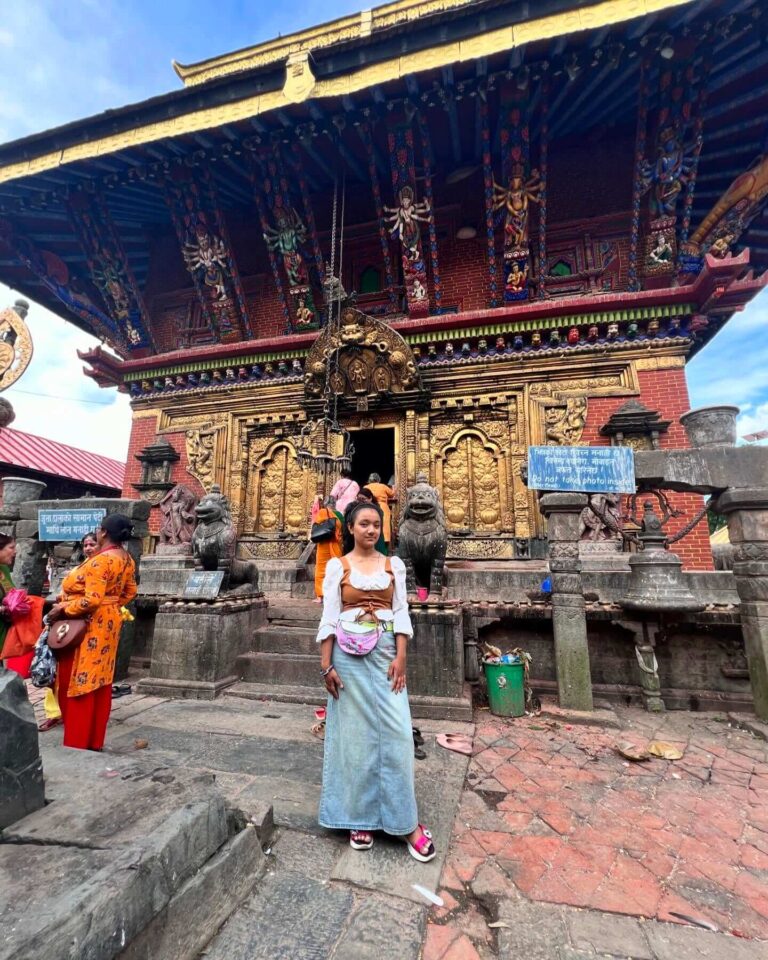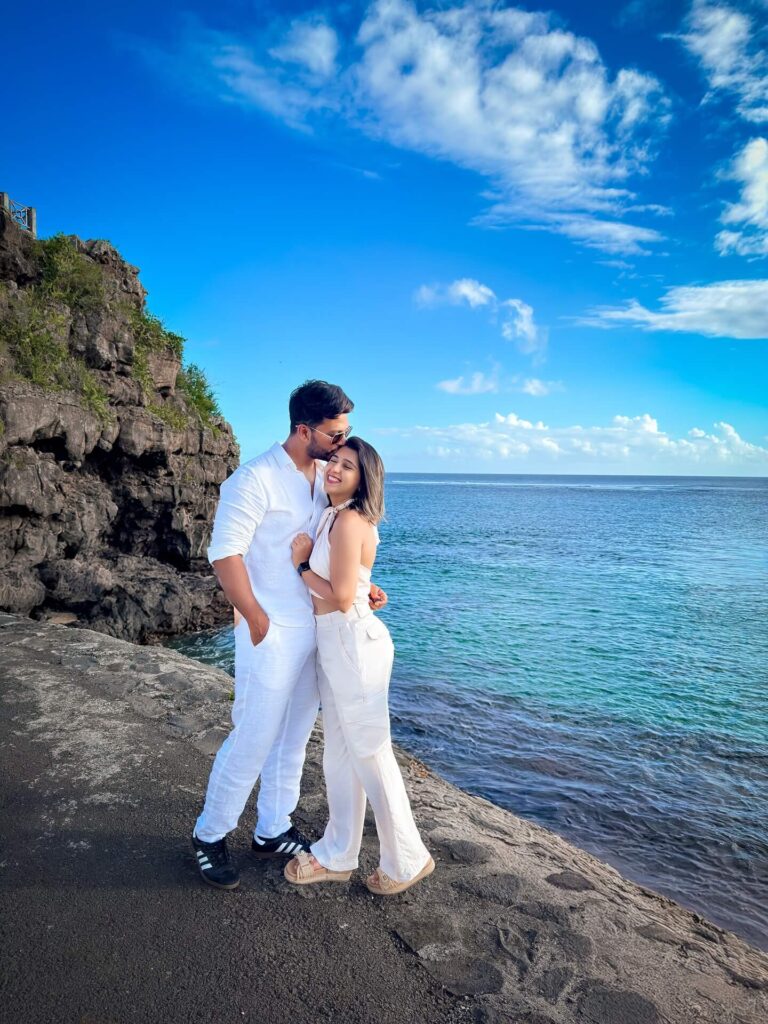
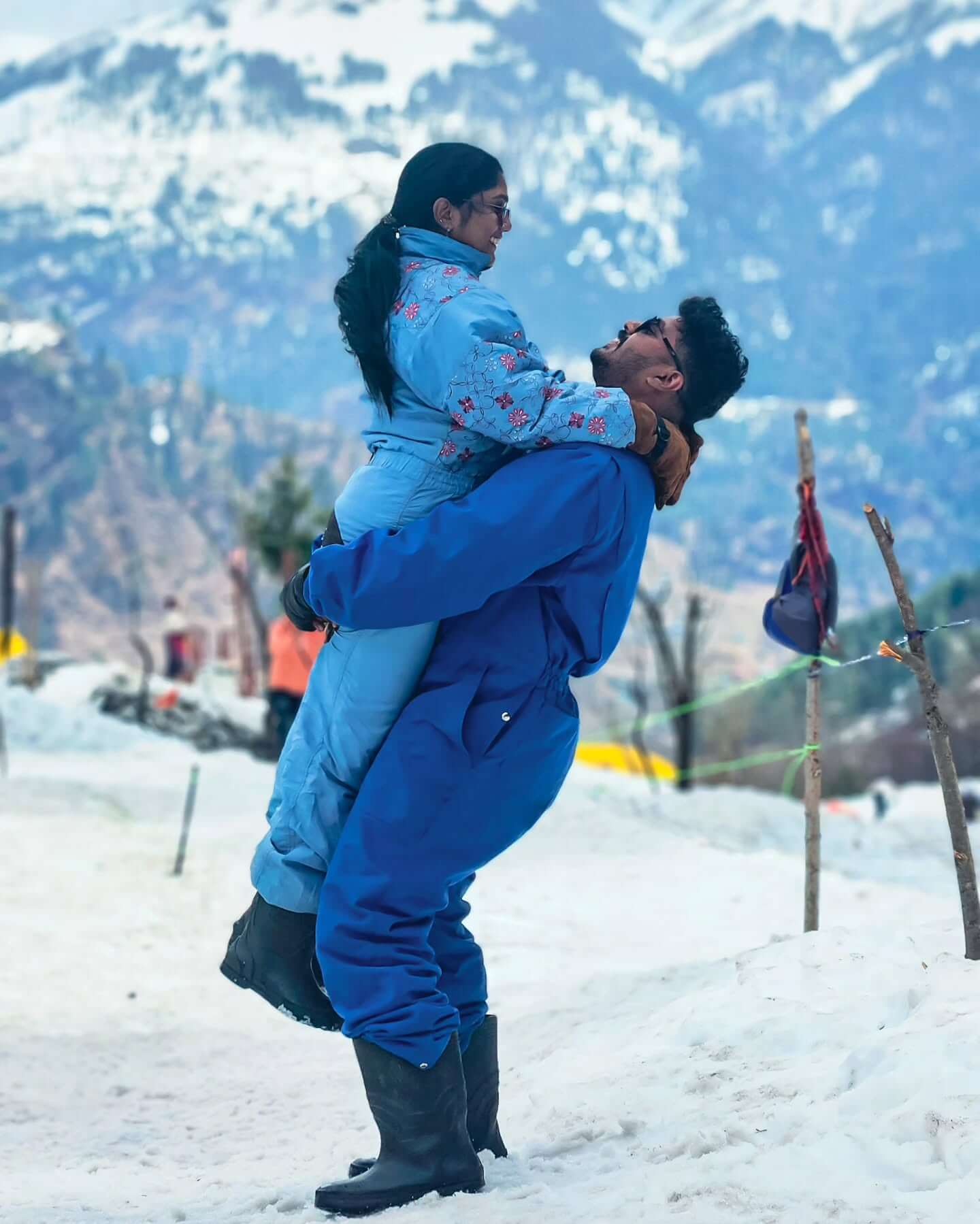
Traveling is all about creating memories, and nothing preserves them better than photography. Whether you’re exploring bustling cities, serene beaches, or remote mountains, knowing travel photography tips ensures you capture moments that tell a story. From beginners to seasoned travelers, a few practical tips can elevate your photography and make your travel albums truly unforgettable.
In this guide, we’ll cover essential travel photography tips, tricks, and techniques to help you take stunning photos, no matter where you go.
1. Understand Your Camera
Before hitting the road, spend time learning your camera’s functions. Whether it’s a DSLR, mirrorless, or smartphone, understanding settings like ISO, shutter speed, and aperture helps you take better photos in various conditions.
Every camera has its strengths, and learning to use them unlocks your potential. Play around with modes such as portrait, landscape, and night photography to see what works best for different scenes. Understanding exposure settings allows you to adapt to lighting conditions, while learning to focus manually gives more creative control. Even smartphone cameras offer advanced features like Pro mode or RAW shooting—take advantage of these for higher-quality shots. By mastering your camera beforehand, you spend less time troubleshooting and more time capturing stunning moments during your travels. For more tips on equipment and camera guides, check out our travel gear section.
2. Prioritize Lighting
Lighting can make or break a photo. Natural light, especially during the golden hours—shortly after sunrise and before sunset—enhances colors and creates dramatic effects, making your travel photos look professional.
Avoid harsh midday sunlight that casts strong shadows and reduces photo quality. If shooting in bright conditions, use shadows creatively or find shaded areas. For indoor or low-light situations, experiment with exposure settings or carry a compact tripod. Learning how to position yourself relative to light sources can dramatically improve your shots. Remember, even a simple photo can look stunning if the lighting is right. Observing light patterns not only improves the technical quality of your photos but also adds depth and mood, giving your travel photography a more professional and captivating appeal.
3. Compose Your Shots Carefully
Composition is key to visually appealing photos. Use techniques like the rule of thirds, leading lines, and framing to create balance and guide the viewer’s eye through the image.
Instead of centering every subject, try placing it off-center to create more dynamic images. Incorporate natural elements like trees, doors, or bridges to frame your subject. Leading lines, such as roads or rivers, can draw viewers into the scene. Play with perspective—shoot from high angles, low angles, or unusual viewpoints to add creativity. Paying attention to background details ensures your photos are clean and focused. Mastering composition turns ordinary snapshots into visually compelling stories, capturing the essence of your travel experiences. Thoughtful composition makes your photography more engaging and memorable for anyone viewing your travel albums.
4. Capture Candid Moments
Some of the best travel photos are unposed. Candid shots of locals, fellow travelers, or children exploring bring authenticity and emotion to your photography.
Avoid interrupting natural moments; observe quietly and anticipate the action. Capture laughter, gestures, and spontaneous interactions to convey genuine emotions. Street photography offers endless opportunities for candid shots, reflecting local culture and everyday life. Use zoom lenses or smartphones discreetly to avoid disturbing subjects. These unposed images often tell stories that posed photos cannot, adding depth and personality to your travel albums. Candid photography not only documents your journey but also allows viewers to connect with the scene emotionally. This approach turns your travel photography into a vivid narrative rather than just a collection of pretty pictures.
5. Include People for Scale and Story
Short Paragraph (50–60 words):
Adding people to your shots can provide scale, context, and relatability. A person in a vast landscape or bustling street helps viewers understand the size and mood of the scene.
Long Paragraph (100–120 words):
Photographing people, whether locals or companions, adds life to your travel photography. Silhouettes during sunrise or sunset create dramatic effects, while portraits capture expressions and interactions. Encourage natural poses and interactions rather than forced smiles. Including people in your photos not only adds depth but also a storytelling element that helps viewers imagine themselves in the scene. This technique works beautifully in landscapes, monuments, markets, or cultural events, giving your images authenticity and emotional resonance. People-centric travel photography makes your visual content more engaging and relatable, transforming ordinary shots into memorable stories.
6. Experiment with Angles and Perspectives
Short Paragraph (50–60 words):
Change your viewpoint to make familiar scenes more interesting. Shoot from low angles, high vantage points, or unusual perspectives to add creativity and uniqueness to your photos.
Long Paragraph (100–120 words):
Moving around your subject can reveal hidden textures, shapes, and details that standard angles might miss. For instance, shooting a monument from a low angle emphasizes its grandeur, while overhead shots provide a fresh, comprehensive view. Experimenting with perspective challenges conventional photography and adds artistic flair to your travel portfolio. Even subtle shifts in position can transform a simple scene into something extraordinary. By exploring angles and perspectives, you create visually captivating images that stand out. This approach encourages observation, patience, and creativity—essential skills for anyone aiming to excel in travel photography.
7. Edit Thoughtfully
Short Paragraph (50–60 words):
Editing enhances your photos but don’t overdo it. Adjust brightness, contrast, saturation, and cropping to improve your images while keeping them natural and realistic.
Long Paragraph (100–120 words):
Use photo editing apps like Lightroom, Snapseed, or Photoshop to refine your images. Focus on subtle enhancements that highlight your subject and maintain color balance. Avoid excessive filters that distort reality; the goal is to preserve the essence of the moment. Cropping can remove distractions and strengthen composition. Thoughtful editing makes your travel photos visually striking and professional, enhancing storytelling without compromising authenticity. By editing carefully, you transform everyday shots into polished memories that truly reflect your journey and experiences. This step ensures your travel photography stands out on social media, blogs, or personal albums.
Conclusion
Travel photography is about capturing the essence of your adventures and turning moments into memories. By following these travel photography tips—understanding your camera, prioritizing lighting, composing thoughtfully, capturing candid moments, experimenting with perspectives, and editing mindfully—you can elevate your travel photos from ordinary to extraordinary. Remember, practice and creativity are your best companions on every trip.
Related Blogs
Read All ›