In this detailed guide, we’ll explore the best places to visit in Bhutan, along with helpful insights on itinerary planning, travel cost & budget, and a simple Paro Bhutan travel guide to make your journey smoother.
If you’ve ever dreamed of a peaceful escape surrounded by mountains, monasteries, and untouched nature, Bhutan should definitely be on your travel list. Known as the “Land of the Thunder Dragon,” this small Himalayan kingdom offers a unique experience that feels calm, spiritual, and refreshing at the same time.
Why Visit Bhutan?
Bhutan is not just about ticking off destinations—it’s about experiencing a slower, more meaningful way of life. The country focuses on happiness and well-being, and you can actually feel that in the peaceful atmosphere, clean surroundings, and warm hospitality of the locals. Unlike crowded tourist spots, Bhutan offers a quiet and authentic travel experience where you can truly unwind and reconnect with nature and yourself.
Thimphu – The Capital with a Calm Vibe
Thimphu, the capital of Bhutan, is unlike any other capital city you’ve visited. Instead of traffic chaos and tall skyscrapers, you’ll find a peaceful environment with traditional Bhutanese architecture and a strong cultural presence. While exploring Thimphu sightseeing, you’ll come across the massive Buddha Dordenma statue overlooking the valley, the impressive Tashichho Dzong which serves as a government and religious center, and the Memorial Chorten where locals gather for prayers daily. You can also visit the Motithang Takin Preserve to see Bhutan’s unique national animal. Spending one or two days in Thimphu is ideal to understand the culture and lifestyle of Bhutan.
Paro – The Heart of Bhutan Tourism
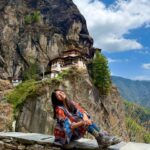
Paro is one of the most important and beautiful places to visit in Bhutan, as it is home to the country’s only international airport and many iconic attractions. According to any Paro Bhutan travel guide, this town is a must-visit for first-time travelers. The highlight of Paro is undoubtedly the Tiger’s Nest Monastery, also known as Paro Taktsang, which is dramatically perched on a cliff. The hike to reach it is slightly challenging but incredibly rewarding. Apart from that, you can explore Paro Dzong, the National Museum of Bhutan, and take a scenic drive to Chele La Pass for breathtaking views of the Himalayas. Starting early for the Tiger’s Nest hike and carrying essentials like water and snacks can make your experience more comfortable.
Punakha – The Valley of Rivers
Punakha is often considered one of the most scenic places to visit in Bhutan, known for its pleasant climate and lush landscapes. Unlike Thimphu, Punakha offers a more relaxed and peaceful environment. The Punakha Dzong, located at the confluence of two rivers, is one of the most beautiful forts in Bhutan and a must-visit attraction. You can also walk across the long suspension bridge for stunning river views or try river rafting for a bit of adventure. Another interesting place here is Chimi Lhakhang, also known as the fertility temple. Punakha is perfect for travelers who want to slow down and enjoy nature at its best.
Phobjikha Valley – Nature Lover’s Paradise
Phobjikha Valley is one of the most untouched and serene places to visit in Bhutan, making it a dream destination for nature lovers. Surrounded by rolling hills and open landscapes, this valley is especially famous for the black-necked cranes that migrate here during winter. The area offers beautiful walking trails and a chance to experience traditional village life. Since it is less commercialized, Phobjikha gives you a more authentic and peaceful Bhutanese experience.
Dochula Pass – Scenic Mountain Views
Dochula Pass is a beautiful mountain pass located on the route from Thimphu to Punakha. It is known for its 108 memorial chortens and breathtaking panoramic views of the Himalayas, especially on clear days. The atmosphere here is calm and refreshing, making it a perfect stop to relax and take in the natural beauty. Many travelers consider it one of the most photogenic spots in Bhutan.
Bumthang – Cultural Heart of Bhutan
Bumthang is often referred to as the spiritual and cultural heart of Bhutan. It consists of four valleys and is rich in ancient monasteries and historical sites. Although it is slightly off the usual tourist route, it is definitely worth visiting if you have extra time. Places like Jakar Dzong, Kurjey Lhakhang, and Tamshing Monastery offer deep insights into Bhutan’s religious heritage. The peaceful surroundings and strong cultural vibe make Bumthang a special addition to your Bhutan itinerary.
Suggested Itinerary for Bhutan (5–7 Days)
A well-planned itinerary helps you cover the best places to visit in Bhutan without feeling rushed. You can start your journey by arriving in Paro and then heading to Thimphu on the same day. Spend the next day exploring Thimphu sightseeing spots before traveling to Punakha via Dochula Pass. After exploring Punakha, return to Paro and dedicate a day to the Tiger’s Nest hike. If you have extra time, you can extend your trip to Phobjikha Valley or even Bumthang for a more in-depth experience.
Travel Cost & Budget for Bhutan Trip
Understanding your travel cost & budget is essential when planning a Bhutan trip. For travelers from India, a typical 4–5 day tour package can cost anywhere between ₹25,000 to ₹45,000 per person, depending on the inclusions and level of comfort. Flights, if included, may add an extra ₹8,000 to ₹20,000. On a daily basis, you might spend around ₹2,000 to ₹4,000 on food, local travel, and entry fees.
Additionally, Indian travelers are required to pay a Sustainable Development Fee (SDF) of ₹1,200 per person per day. Guide services are often mandatory, which can also add to the cost. To save money, it’s a good idea to travel in groups, choose road travel options from nearby Indian states, and book packages in advance.
Best Time to Visit Bhutan
The best time to explore the places to visit in Bhutan depends on what kind of experience you’re looking for. Spring, from March to May, offers blooming flowers and pleasant weather, making it a great time for sightseeing. Autumn, from September to November, is ideal for clear skies and vibrant festivals. Winter, from December to February, is colder but less crowded, while the monsoon season brings lush greenery along with heavy rainfall.
Travel Tips for Bhutan
When traveling to Bhutan, it’s important to carry a valid ID such as a passport or voter ID if you are an Indian citizen. Respecting local traditions and dressing modestly, especially when visiting monasteries, is highly appreciated. Since Bhutan is known for its cleanliness, travelers are expected to avoid littering. It’s also wise to carry some cash, as digital payments may not be accepted everywhere. Following local rules and maintaining decorum at religious sites will ensure a smooth and respectful travel experience.
Internal Travel Resources
For a hassle-free Bhutan experience, you can explore curated travel packages here:
https://chalotravellers.com/bhutan-tour-packages
You can also check out more international travel options:
https://chalotravellers.com/international-trips
Final Thoughts
Bhutan is more than just a destination—it’s a feeling that stays with you long after your trip ends. From peaceful monasteries to scenic valleys, every corner of this country offers something unique and memorable. Exploring the places to visit in Bhutan gives you a perfect balance of culture, nature, and relaxation.
Whether you are planning your itinerary, diving into Thimphu sightseeing, following a detailed Paro Bhutan travel guide, or managing your travel cost & budget, Bhutan promises a travel experience that is calm, meaningful, and truly unforgettable.
Bhutan packages you can book
Related Blogs
Read All ›